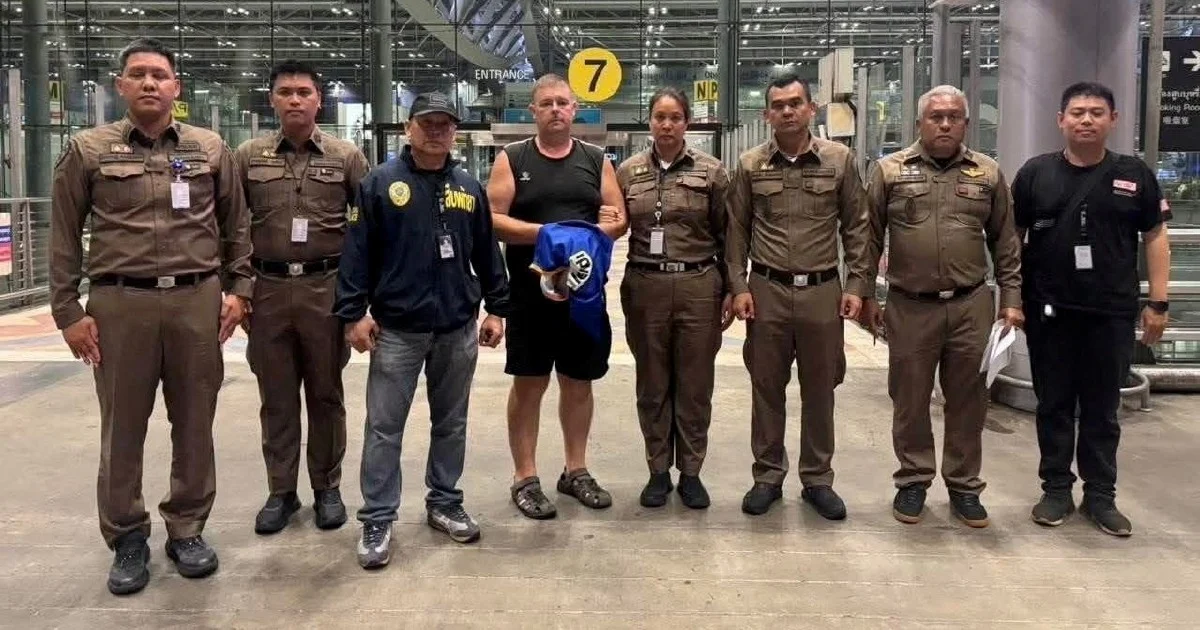
An Australian national is facing murder charges following the discovery of a 17-year-old Thai girl's body in a suitcase in Pattaya, leaving her family struggling to comprehend the tragedy. The arrest marks a turning point in an investigation that has shaken the beachside resort town and drawn renewed attention to the safety concerns affecting young Thai women, particularly in areas frequented by foreign tourists.
The girl's family expressed their profound sorrow upon learning the circumstances of her death, according to accounts from local authorities and community sources. The discovery of her remains in such distressing conditions has compounded the emotional toll on relatives who are now grappling with both grief and unanswered questions about the events leading to her death. Statements from family members indicate they are cooperating fully with investigators as the legal proceedings move forward.
Pattaya, Thailand's premier beach destination situated approximately 150 kilometres southeast of Bangkok, has long been a hub for international tourism and has occasionally faced scrutiny regarding the welfare of young individuals in its vicinity. The incident underscores persistent concerns about vulnerable youth in areas where commercial tourism is prevalent and where tourists from numerous countries interact with local communities. These concerns have prompted periodic discussions among Thai authorities regarding enhanced protective measures for at-risk populations.
The arrest of the Australian suspect occurred following investigative work by Pattaya police and supporting agencies who worked to establish a timeline of events and gather forensic evidence. The charge of murder represents one of the most serious allegations in Thailand's criminal justice system and carries substantial penalties upon conviction. Authorities have indicated that evidence collected at the scene and during subsequent investigations contributed to the decision to pursue charges at this level.
International cases involving foreign nationals accused of crimes in Thailand often generate considerable diplomatic attention, though Thai courts maintain jurisdiction over such matters. Australia's Department of Foreign Affairs and Trade typically provides consular assistance to nationals facing legal proceedings abroad, ensuring they have access to appropriate legal representation and that their rights are safeguarded throughout the judicial process. Such assistance is standard practice regardless of the severity of allegations.
The case highlights the broader issue of foreign tourism and its impact on local communities, particularly the safety infrastructure protecting young people in tourist destinations throughout Southeast Asia. Pattaya's establishment as a major international resort zone over several decades has created complex social dynamics that authorities continue to manage through law enforcement and social welfare initiatives. The incident serves as a grim reminder of the vulnerabilities that can exist within high-tourism environments.
Investigations into homicide cases involving international elements often require coordination between Thai authorities and law enforcement agencies from the suspect's home country. Evidence gathering, witness statements, and forensic analysis all contribute to building a case for prosecution. The meticulous nature of such investigations reflects the serious implications of murder charges and the need for prosecutorial confidence in the evidence presented before Thai courts.
Thailand's criminal justice system, based on civil law principles rather than the common law system used in Australia and other Commonwealth nations, follows distinct procedures for investigation, prosecution, and adjudication. Defendants charged with murder have the right to legal counsel and the opportunity to present evidence in their defence. The judicial process, while sometimes lengthy, aims to establish facts and determine culpability according to Thai law.
The tragedy has renewed discussion within Thailand regarding the adequacy of protection mechanisms for minors, particularly those in precarious circumstances or living in transient communities. Government agencies and non-governmental organisations working in the tourism sector have historically advocated for enhanced monitoring and intervention systems to identify and support at-risk youth before they become victims of serious crime. This incident may catalyse renewed policy discussions at provincial and national levels.
For the local Pattaya community, the case represents another difficult chapter in the ongoing challenge of balancing the economic benefits of tourism with the social costs that can accompany rapid commercialisation and population mixing. Beach towns throughout Southeast Asia face similar tensions as they attempt to maintain their appeal as destinations while protecting resident communities from potential harms associated with transient populations and cultural friction.
The investigation's outcome will be closely watched by Thai civil society organisations focused on youth welfare and by international observers monitoring Thailand's handling of serious criminal cases. As the legal process unfolds through preliminary hearings and potential trial proceedings, the evidence presented will be scrutinised for its credibility and sufficiency under Thai law. The case is likely to remain a focal point in discussions about crime, tourism, and youth protection throughout the region.

