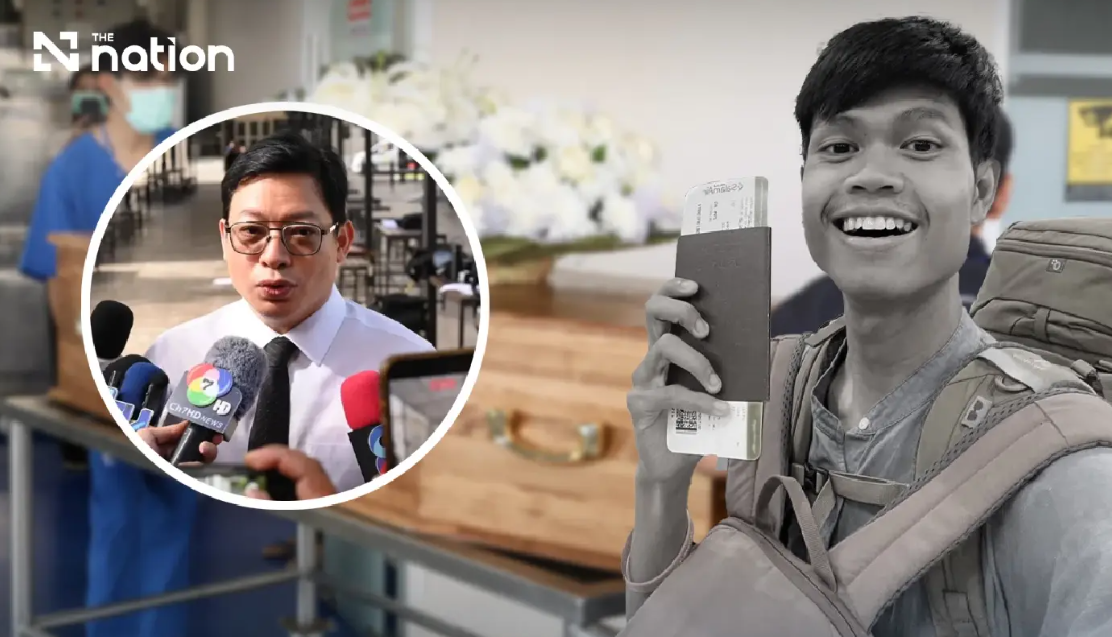
Thai travel vlogger Bawornthat "Hlun Solo" Pengsuk's preliminary autopsy results point to failure of the heart and circulatory system as the likely cause of death, though Thai forensic authorities have emphasised that comprehensive toxicology testing is still underway and have not ruled out involvement of toxins or chemicals. The findings were announced on Thursday, August 6, by Assistant Professor Dr Worawee Waiyawut, deputy director of the Central Institute of Forensic Science operating under Thailand's Ministry of Justice, following the return of Hlun's body from Georgia, where he died.
The post-mortem examination conducted in Georgia revealed no external injuries, bruising, signs of physical assault, or fractures. Forensic doctors found no other organ abnormalities beyond issues with the cardiovascular system, indicating that Georgian medical teams had already performed comprehensive initial investigations before the body's repatriation. However, Dr Worawee stressed that the preliminary cardiac findings require deeper laboratory analysis of heart tissue and investigation into potential underlying genetic factors before Thai authorities can reach definitive conclusions about the death.
Testing protocols will also need to investigate whether sudden unexplained nocturnal death—a phenomenon documented in some Southeast Asian populations—played a role in Hlun's death. The investigation remains open, with Dr Worawee explicitly cautioning that the preliminary finding of cardiac and circulatory failure does not exclude the possibility that toxins or chemicals contributed to or precipitated the fatal event. International coordination between Thai and Georgian health authorities is expected to be lengthy, as the Ministry of Justice seeks detailed records from Georgia including comprehensive post-mortem documentation and results from any chemical analysis performed by Georgian medical examiners.
Somsak "Mos" Butsri, Hlun's elder brother serving as the family's spokesperson, revealed that the Thai autopsy represents the first formal post-mortem examination requested by the family themselves, reflecting their desire for independent verification and deeper investigation into circumstances surrounding the death. The family harboured significant concerns about the adequacy of Georgian authorities' investigation and the limited information provided to them. Somsak explained that Georgia's death certificate offered no specific cause of death, and the family received only minimal details about the examination process, with Georgian officials retaining organ samples and DNA material without clarity regarding what further testing those samples might undergo.
The family's decision to pursue independent Thai forensic examination reflects their determination to obtain comprehensive answers about Hlun's death through rigorous scientific scrutiny. Somsak emphasised that the family particularly sought detailed toxicology testing to detect any poisonous substances, thorough cardiac examination to identify underlying heart conditions, and investigation into alternative explanations for the death beyond the preliminary cardiac findings. This approach suggests the family harbours concerns that factors beyond natural cardiac failure may have contributed to Hlun's demise, though no specific allegations have been made regarding foul play.
Somsak categorically rejected media reports suggesting Hlun died from sudden unexplained nocturnal death syndrome, characterising such claims as speculative and unsupported by official test results. The brother acknowledged that Hlun did not routinely discuss health matters with family members, making it uncertain whether he had any pre-existing medical conditions that might have predisposed him to cardiac failure. However, he noted that initial examinations found no evidence of physical violence or assault, though he indicated that should autopsy findings reveal evidence of physical attack, the family would pursue all available legal remedies to seek justice.
A notable concern involves the apparent loss or non-return of Hlun's personal belongings, with only his passport being returned to the family alongside the body. This gap in recovered possessions raises questions about the custody and documentation of the vlogger's effects during the period between his death and his body's repatriation to Thailand. Such details often prove significant in death investigations, potentially containing evidence or information relevant to understanding the circumstances surrounding his passing.
The family anticipated completion of the Thai post-mortem examination by Friday, August 7, after which they planned to transport Hlun's body to his native Kalasin Province for traditional funeral ceremonies according to Thai Buddhist customs. Final cremation arrangements remain to be determined following family consultation. Somsak expressed concern about how their grandmother would emotionally respond to seeing Hlun's body, though he noted she had maintained composure and expressed only that her grandson be returned home.
For Malaysian and Southeast Asian observers, this case underscores the complexity of cross-border death investigations involving digital content creators whose audiences span multiple countries. The reliance on international coordination, the potential for communication gaps between national health systems, and the family's need for independent verification all reflect broader challenges in investigating sudden deaths involving regional personalities. Thai authorities' deliberate pace in completing toxicological analysis also highlights the standard protocols forensic specialists follow to avoid premature conclusions, even when preliminary findings point to natural causes like cardiac failure.
The case also touches on the vulnerabilities faced by digital content creators working internationally without robust support structures. Hlun's death in Georgia while pursuing his vlogging career illustrates the risks associated with solo travel and adventure content creation, particularly when individuals venture to unfamiliar locations with potentially limited local social networks or emergency support systems. His brother's public expression of gratitude toward Thai citizens who assisted in bringing Hlun home reflects the broader community response and public concern this case has generated.
As testing continues, the comparison between Thai and Georgian findings will prove crucial to the family's understanding of what happened. Particular attention will focus on toxicology results, which remain the area where Thai and Georgian investigations might diverge most significantly depending on what substances each nation's laboratories tested for and whether methodologies differed between the two countries. The family's insistence on thorough investigation suggests this matter will likely remain in public consciousness until comprehensive results are disclosed.

