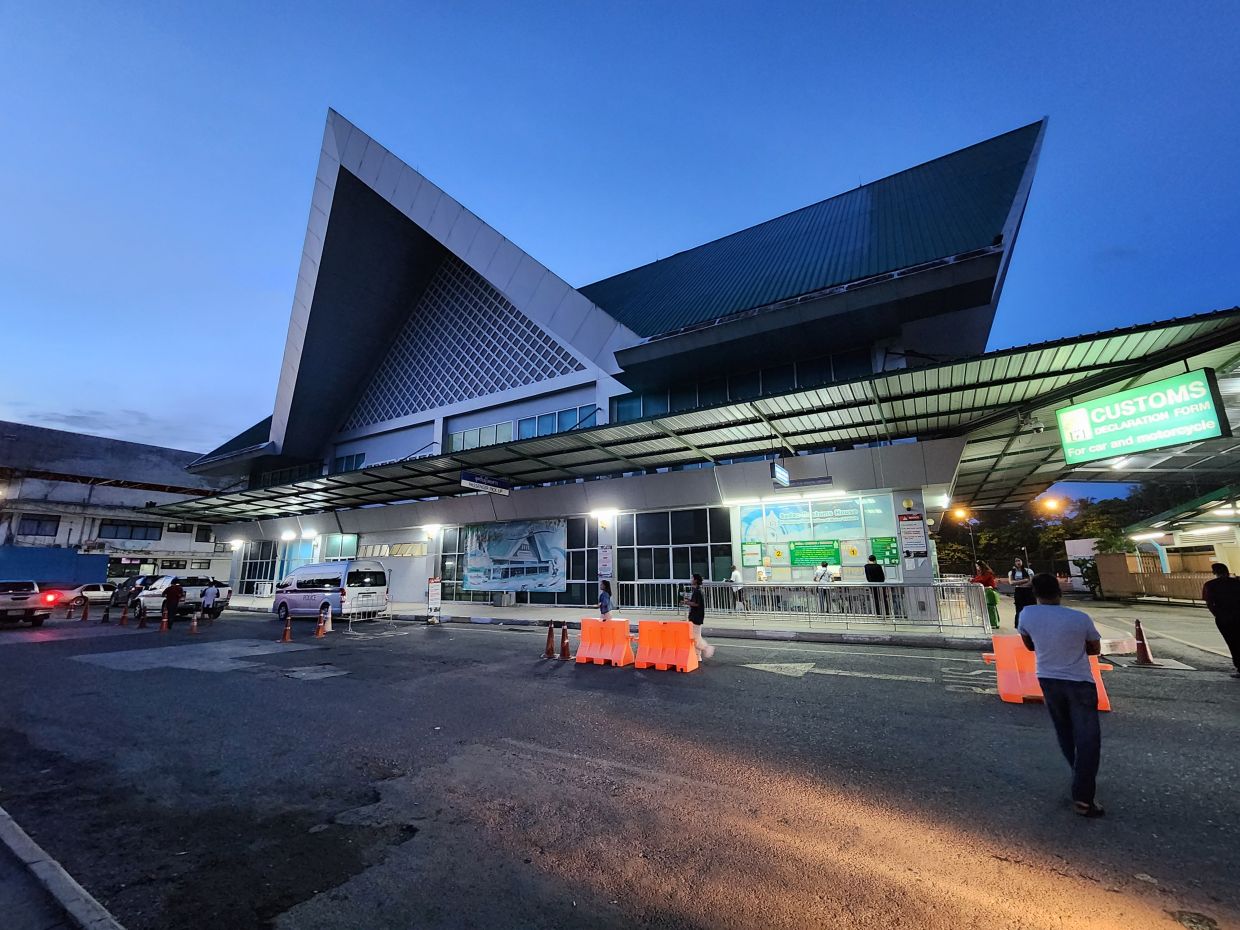
Thailand's cabinet has greenlit the establishment of a new permanent border checkpoint at Sadao, positioned to commence operations on July 11 as a strategic infrastructure initiative aimed at strengthening economic and commercial ties with Malaysia. The decision reflects both nations' commitment to facilitating seamless cross-border movement of goods, services, and travellers through enhanced land connectivity in one of Southeast Asia's most important trade corridors.
Located between boundary markers 23/9 and 23/10, the fresh crossing displaces the existing checkpoint positioned at markers 22-23. The relocation marks a deliberate recalibration of border infrastructure, with the new facility scheduled to operate across an extended 18-hour daily window, commencing at 05:00 and concluding at 23:00. This expanded timeframe accommodates heightened trade volumes and tourism flows that characterise the increasingly interconnected Thai-Malaysian economic relationship.
Thailand's government spokesperson Ratchada Thanadirek outlined a comprehensive accompanying programme designed to optimise the checkpoint's functionality. Relevant agencies have received directives to accelerate roadway construction projects feeding into the crossing and to eliminate existing traffic congestion points on Thailand's side of the border. Complementary shuttle services are being arranged to facilitate passenger movement, with Songkhla province—the southern Thai jurisdiction hosting the checkpoint—bearing responsibility for project oversight and implementation.
The infrastructure upgrade carries considerable significance for Malaysia and Thailand alike. For Malaysian businesses, particularly those concentrated in the northern economic zones, the improved crossing translates into reduced transit times and logistics expenditures, directly enhancing competitiveness in regional and international markets. Similarly, Thai exporters, especially those operating in agricultural and manufactured goods sectors, stand to benefit from streamlined customs clearance and quicker market access to Malaysian distribution networks.
Beyond commercial dimensions, the checkpoint expansion addresses a persistent infrastructure deficit that has historically constrained people-to-people exchange between the two nations. Tourism operators and business professionals traversing the border will encounter modernised facilities and clearer protocols, potentially stimulating increased cross-border tourism investment and business-to-business engagement. The checkpoint's extended operating hours particularly facilitate time-sensitive commercial operations and weekend leisure travel patterns.
Thailand's government has mandated information dissemination campaigns targeting multiple stakeholder communities including private enterprises, traders, local business associations, and communities neighbouring the checkpoint. These initiatives aim to educate stakeholders regarding modified traffic routing, updated customs procedures, immigration protocols, and government-implemented trade facilitation mechanisms. Such communication efforts prove essential for ensuring smooth operational transition and minimising disruption to existing cross-border routines.
The cabinet's approval synchronises with an anticipated official visit by Thai Prime Minister Anutin Charnvirakul to Malaysia scheduled for July 9-10, occurring at Malaysian Prime Minister Anwar Ibrahim's invitation. The timing suggests coordinated diplomatic and economic strategy between Bangkok and Kuala Lumpur. During this high-level engagement, the two governments are expected to formalise a joint statement charting bilateral cooperation directions across multiple strategic domains.
This joint statement framework encompasses border development initiatives, regional connectivity enhancement, collaborative security measures targeting transnational organised crime, and deepened economic partnerships. Notably, food and energy security emerge as prioritised cooperation pillars, reflecting broader Southeast Asian vulnerabilities regarding supply chain resilience and resource availability. For Malaysia, enhanced cooperation on these fronts carries particular weight given the nation's reliance on regional agricultural imports and evolving energy transition priorities.
The border checkpoint initiative reflects evolving ASEAN dynamics whereby infrastructure development increasingly underpins regional integration objectives. Both Thailand and Malaysia recognise that physical connectivity improvements facilitate not merely trade expansion but also cultural understanding, labour mobility, and institutional cooperation capacity. The Sadao crossing represents incremental progress toward the Association of Southeast Asian Nations' Vision 2025 goals emphasising seamless intra-regional movement and economic integration.
For Malaysian policymakers, the development underscores the strategic importance of northern border management and cross-border infrastructure coordination. Enhanced Thai connectivity strengthens Malaysia's position within regional supply chains and positions the nation as a transit hub for goods flowing between Thailand and southern Malaysian ports. The checkpoint's capacity expansion potentially redirects cargo volumes away from congested alternatives and distributes economic benefits more evenly across border communities.
Looking ahead, the success of this infrastructure project may catalyse additional bilateral initiatives addressing remaining connectivity challenges. Southern Thailand's development trajectory increasingly depends upon deepened Malaysian economic integration, while Malaysia's northern provinces seek expanded commercial opportunities within Thai markets. The Sadao checkpoint thus represents not merely a border facility but rather a symbol of institutional commitment toward sustained regional economic cooperation and mutual prosperity.

