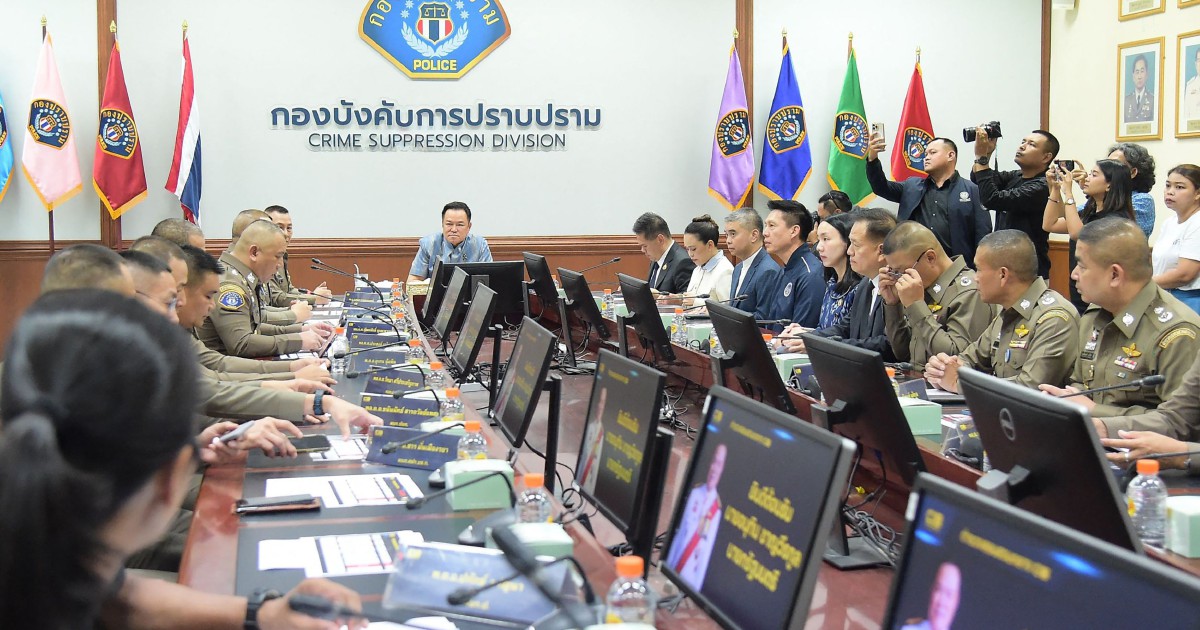
Thailand's government is poised to take sweeping disciplinary action against nearly 6,000 civil servants implicated in a far-reaching examination fraud scheme, authorities announced Thursday. The planned suspensions represent one of the most significant personnel actions undertaken by Thai authorities in recent years and underscore deepening concerns about institutional integrity within the civil service apparatus.
The investigation, which has expanded considerably since initial discoveries, has already resulted in the arrest of three individuals connected to the cheating operation. Investigators are continuing their work to establish the full scope of the fraudulent activities and identify all parties involved in circumventing the recruitment examination system designed to fill civil service positions.
The scale of the suspected cheating has alarmed officials tasked with maintaining the credibility of Thailand's bureaucratic institutions. The civil service examination system is intended to ensure that recruitment is merit-based and that qualified candidates enter government roles through a transparent, standardized process. The discovery of systematic fraud threatens public confidence in how the government selects and manages its workforce, raising questions about the competence and legitimacy of officials already in place.
Thailand's civil service sector employs hundreds of thousands of individuals across national, provincial, and local government levels. The suspension of nearly 6,000 officials represents approximately one percent of the total civil service workforce, yet the ramifications extend beyond mere personnel numbers. The incident exposes vulnerabilities in examination administration and oversight mechanisms that are supposed to prevent such breaches.
For Malaysia and other Southeast Asian nations with similar civil service systems, Thailand's experience offers cautionary lessons about the importance of robust examination security protocols. Civil service recruitment in the region relies on standardized tests to fill professional and administrative positions, making examination integrity crucial to institutional legitimacy. The Thai case demonstrates how lapses in oversight can compromise entire cohorts of newly appointed officials.
The investigation's expansion suggests that initial discoveries prompted authorities to cast a wider net, uncovering connections and patterns of cheating that may have involved networks of participants rather than isolated incidents. This progression from initial arrests to a much larger suspected conspiracy indicates the fraudulent scheme possessed some organizational structure and coordination.
Institutional reforms will likely follow any disciplinary actions against the suspended officials. Thai authorities will need to examine how the cheating occurred despite existing safeguards and implement corrective measures to prevent future breaches. Questions will focus on examination invigilation procedures, answer sheet verification systems, and oversight protocols designed to detect irregularities.
The timing of these revelations comes as Thailand continues broader governance reforms aimed at enhancing institutional effectiveness and reducing corruption. Civil service examinations are considered fundamental to these objectives because they establish the foundation for merit-based recruitment. Corruption or fraud at this foundational level undermines subsequent anti-corruption initiatives.
Bureau of regulations governing civil service conduct in Thailand typically permit suspension as an intermediate disciplinary measure prior to formal termination proceedings. The distinction matters because suspended officials may retain certain legal protections and rights while undergoing investigation, though they are removed from their positions pending resolution.
The investigation's ongoing nature means additional details may emerge as authorities complete their examination of examination records, communications, and financial transactions related to the cheating scheme. The three individuals already arrested will likely face criminal charges, whereas the suspended civil servants may face administrative proceedings.
For Thailand's international standing and regional position, the scandal creates potential complications. Foreign investors and international partners assess governance stability and institutional reliability when making decisions about engagement and investment. High-profile integrity failures in bureaucratic systems can influence these calculations, particularly when they involve large numbers of officials.
The government's response to this crisis will signal its commitment to accountability and institutional reform. Swift and transparent handling of disciplinary proceedings against the suspended officials, combined with systematic improvements to examination administration, could help restore public confidence. Conversely, perceived leniency or inadequate corrective measures could deepen skepticism about the civil service's fundamental integrity.
Thailand's civil service system, like those throughout Southeast Asia, requires public trust to function effectively. When citizens and businesses doubt whether government officials earned their positions through legitimate means, confidence in governmental institutions erodes. The coming weeks and months will determine whether Thai authorities can contain the reputational damage and establish renewed credibility in their civil service recruitment processes.

