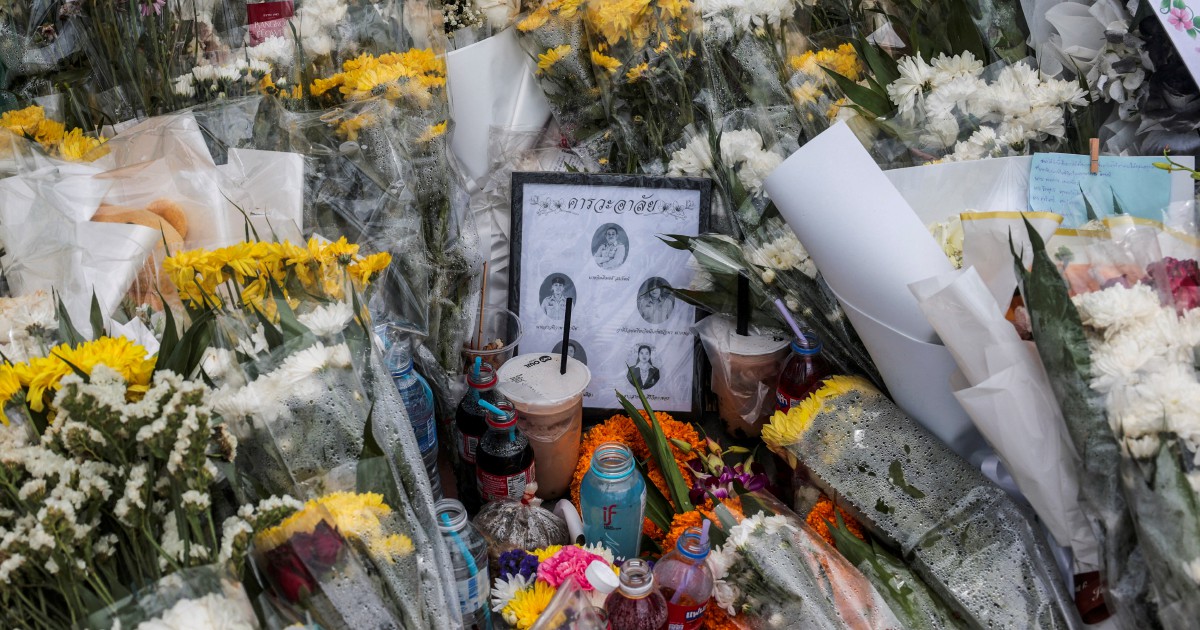
Thailand's government has taken direct action to tighten firearms control, with the Prime Minister announcing a suspension of gun licences in the wake of last week's tragic school shooting in the country. The policy response comes as the nation grapples with the aftermath of the violence, which claimed several lives including those of the teenage gunman's family members. The bodies of the young shooter and his two grandparents were cremated in ceremonies held this week in the Nonthaburi area, marking a solemn closure to the most immediate phase of the tragedy.
The suspension of firearms licences represents a significant policy intervention aimed at preventing similar incidents of gun violence in Thailand's schools and communities. By freezing the issuance of new gun permits, authorities are attempting to restrict access to weapons at a critical moment when public concern about firearms safety is at its height. This measure signals the government's commitment to addressing what many Thais view as a systemic vulnerability in how weapons are distributed and regulated within the country.
The shooting has reignited national debate about Thailand's firearms licensing system and whether current safeguards are adequate to prevent weapons from reaching unstable individuals or those with histories of violence. Questions have emerged about how the teenage shooter obtained access to firearms, and whether existing background checks and psychological evaluations were sufficient. The suspension order suggests authorities believe immediate action is warranted while a more comprehensive review of gun licensing procedures is undertaken.
For Malaysian and regional observers, the incident underscores broader concerns about firearm proliferation and security in Southeast Asia. Thailand's approach to gun control differs markedly from Malaysia's strictly regulated licensing regime, where civilian gun ownership is significantly restricted and requires extensive vetting. The Thai government's swift policy response demonstrates how mass casualty events can catalyse rapid legal changes, even in countries with traditionally more permissive weapons policies. Thailand's move may influence regional discussions about balancing constitutional rights with public safety imperatives.
The cremation ceremonies for the young assailant and his grandparents reflect Thai Buddhist traditions while also providing closure for the affected families and the broader community. The decision to cremate the perpetrator alongside his grandparents indicates that surviving family members have moved toward reconciliation and healing, though the circumstances surrounding the shooting remain a matter of deep concern and investigation. Officials have not disclosed detailed information about the motive behind the attack or the shooter's personal circumstances, leaving unanswered questions about whether warning signs were missed.
Thailand's school safety infrastructure now faces scrutiny, as educators and administrators nationwide are likely to implement enhanced security protocols. The incident raises questions about whether Thai schools have adequate measures to detect and respond to violent threats, whether from students or external actors. Educational authorities may be prompted to establish better communication channels with mental health services and to train staff in recognising behavioural red flags among pupils. Regional education systems may similarly assess their own preparedness for similar threats.
The suspension of gun licences, while symbolically powerful, represents a short-term response to a complex problem. Thai policymakers will need to consider whether the suspension should become permanent, and whether legislative changes to Thailand's firearms laws are necessary. Countries across Southeast Asia have adopted varying approaches to gun regulation, from Singapore's exceptionally stringent system to Indonesia's more liberal framework. Thailand's situation offers a case study in how governments balance public safety concerns against traditions of civilian firearm ownership.
Psychological and sociological factors behind school violence in Thailand warrant attention from researchers and policymakers. Unlike incidents driven by political or religious extremism, school shootings often reflect deeply personal crises involving isolation, depression, or family trauma. Mental health services for young people in Thailand remain underdeveloped in many regions, and economic pressures on families can exacerbate existing psychological vulnerabilities. Addressing root causes will require investment in counselling services, school-based mental health programmes, and community support networks.
The regional implications of this incident are significant for Malaysia and other Southeast Asian nations. Malaysian authorities have long maintained strict regulations on firearms, yet the Thai case demonstrates that even neighbouring countries with different regulatory approaches can experience similar tragedies. Singapore, with its world-class security apparatus and comprehensive gun control, has successfully prevented mass shooting incidents for decades. Thailand's experience suggests that regulatory frameworks alone are insufficient without complementary investments in mental health support, community policing, and threat assessment systems that identify at-risk individuals before they acquire weapons.
Moving forward, Thailand's government faces pressure to implement measures that extend beyond licence suspension. Public confidence in the safety of schools, one of society's most fundamental institutions, has been shaken. Parents across Thailand are likely demanding assurances that children will be protected from similar attacks. This may necessitate comprehensive legislation addressing who can possess firearms, how weapons must be stored securely, and what training and certification gun owners must undergo. The suspension order signals intent, but sustained policy change will be required to meaningfully reduce the risk of further incidents.

