Thailand's Education Ministry is moving swiftly to address school violence in the wake of an August 7 shooting at Debsirin Nonthaburi School on Bangkok's outskirts, where a 14-year-old student opened fire, killing nine people including himself. Yet education specialists caution that legislative fixes alone cannot dismantle the cultural mindset that allows bullying to flourish unchecked across Thai classrooms. The tragedy has thrust an uncomfortable reality into the national conversation: persistent, widespread abuse of schoolchildren that often goes unreported due to ingrained social values prioritising harmony and deference over disclosure of conflict.
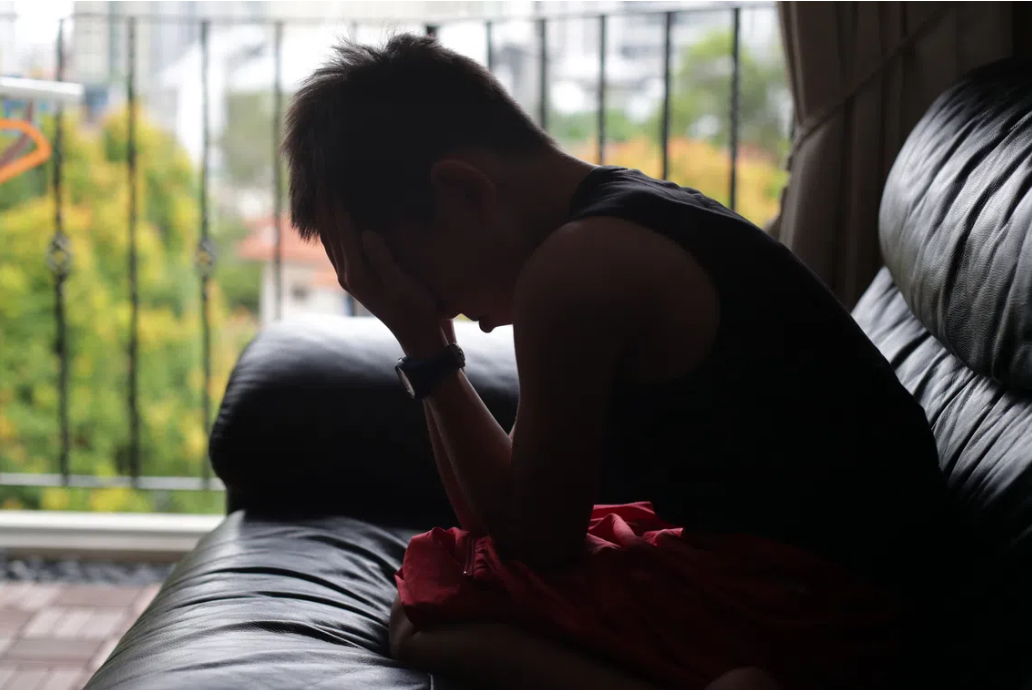
Surasit Nok-Ouam, now a 20-year-old gig worker, knows the cost of silence. A decade ago, he endured years of systematic harassment beginning in kindergarten. The abuse was relentless and multifaceted—verbal taunting accompanied by physical assaults. Fellow students would follow him into bathroom stalls to splash water and hurl insults; during physical education classes, bullies would deliberately pull down his clothing in front of peers. What troubled him most was the psychological toll. His anxiety around basic school routines became so entrenched that he found himself perpetually braced for humiliation. Any attempt to retaliate only provided the perpetrators with additional entertainment, transforming his distress into sport for his tormentors. Surasit's experience, whilst harrowing, is far from isolated within Thailand's educational ecosystem.
A government survey released in September 2025 paints a sobering picture of the scale of the problem. Among 42,000 young people aged six to twenty-five, 65 per cent reported having experienced bullying in some form. The data reveals that teasing about names, parents, and family circumstances represents the most prevalent category of abuse. Physical violence, encompassing kicks and punches, affected approximately 28 per cent of respondents. Schools emerged as the overwhelmingly common site for such incidents, named by 83 per cent of victims. These figures underscore that bullying in Thai educational settings is not a marginal phenomenon but rather a normalised aspect of the school experience for the majority of young Thais.
The psychological consequences of this endemic abuse are substantial and measurable. Victims frequently develop clinical depression, unmanaged anger, and deepening resentment that accumulates over years. Perhaps most alarming, the survey found that at least one in four bullying victims have contemplated self-harm. Prieo To-uam, a freelance counsellor working with adolescents for four years, has observed a marked increase in young people seeking support over the past twelve months. She notes that bullying appears in nearly every counselling case she handles, cutting across both Thai national schools and international institutions. What begins as seemingly harmless ribbing among peers escalates rapidly into sustained harassment once social hierarchies solidify.
Chinun Boonroungrut, a psychology lecturer at Silpakorn University, cautions against drawing direct lines between bullying and extreme violence. The vast majority of bullied students do not become shooters; most simply suffer in silence. However, the emotional infrastructure created by prolonged abuse—depression, rage, a crystallised sense of grievance—creates conditions where instability can potentially metastasise into catastrophe if other triggering factors align. Police investigations into the Debsirin shooting remain ongoing, though media reports have suggested the teenage perpetrator was himself a bullying victim. Investigators have also identified exposure to violent video game content and academic pressure as possible contributing factors.
The visibility of bullying has intensified dramatically in recent months, partly due to social media amplification of past incidents. One widely-shared video documented an assault at St Gabriel's College, one of Thailand's most prestigious private schools, recorded on July 21. The footage showed two older students repeatedly beating and kicking a younger boy whilst one held what was later identified as an airsoft gun. Such recordings proliferate across Thai social platforms with increasing regularity. Aranee Vivatthanaporn, a criminology lecturer at Rangsit University, argues that this surge in documented cases does not necessarily indicate a rise in bullying prevalence but rather reflects the digital era's capacity to expose and publicise what was previously hidden. School corridors and playgrounds have always been sites of cruelty; now, those scenes are routinely captured and broadcast to national audiences.
Yet the most formidable obstacle to systemic change lies not in policy architecture but in Thailand's deeply embedded cultural values. The concept of kreng jai—often translated as extreme consideration or deference—encourages Thais to suppress personal grievance in service of collective harmony. Prieo observes that this cultural framework manifests concretely in bullying contexts: victims, afraid of causing disturbance or disappointing authority figures, refrain from reporting abuse. Societal expectations demanding politeness, respect for hierarchy, and maintenance of social equilibrium pressure young people to internalise rather than vocalise their distress. This psychological suppression creates conditions where unresolved trauma accumulates silently until it occasionally erupts in catastrophic violence.
The Thai government's response has been characterised by institutional action. The Education Ministry has announced implementation of multiple measures by early November, including adoption of a zero-tolerance bullying policy, enhanced weapon detection protocols at school entrances, and early intervention systems targeting at-risk students. Perhaps most significantly, the ministry is pursuing passage of a new Student and School Safety Act that mandates mental health monitoring and systematic screening for post-traumatic stress disorder among affected populations. These measures represent genuine progress in creating structural safeguards and identifying vulnerable youth before crisis emerges.
However, structural reforms cannot unilaterally transform deeply ingrained cultural attitudes. Thailand's challenge extends beyond legislative frameworks and administrative procedures into the realm of social psychology and intergenerational values transmission. Changing kreng jai—a concept woven into Thai identity across centuries—demands sustained cultural education, public awareness campaigns, and a fundamental reorientation of how schools, families, and communities conceptualise the relationship between individual wellbeing and collective harmony. Such transformation occurs over decades, not months. The Debsirin shooting provided a tragic catalyst for policy change, but whether it catalyses the deeper attitudinal shift necessary to make bullying socially unacceptable remains uncertain. Southeast Asia's regional context compounds this challenge; bullying culture and hierarchical school structures persist across the region, suggesting that Thailand's institutional reforms may offer lessons for neighbours whilst also illustrating the limits of top-down intervention in addressing deeply rooted social pathologies.

