Thailand is poised to significantly expand its automated passport control infrastructure at Suvarnabhumi Airport, rolling out biometric e-gates to travellers from 31 additional nationalities by the end of August. The initiative represents a major infrastructure push by Bangkok's government to tackle chronic congestion at one of Asia's busiest aviation hubs and enhance the visitor experience during the crucial tourism season. Deputy Government Spokesperson Lalida Persvivatana confirmed that the Immigration Bureau has agreed in principle to the expansion, with formal documentation expected to be finalised imminently.
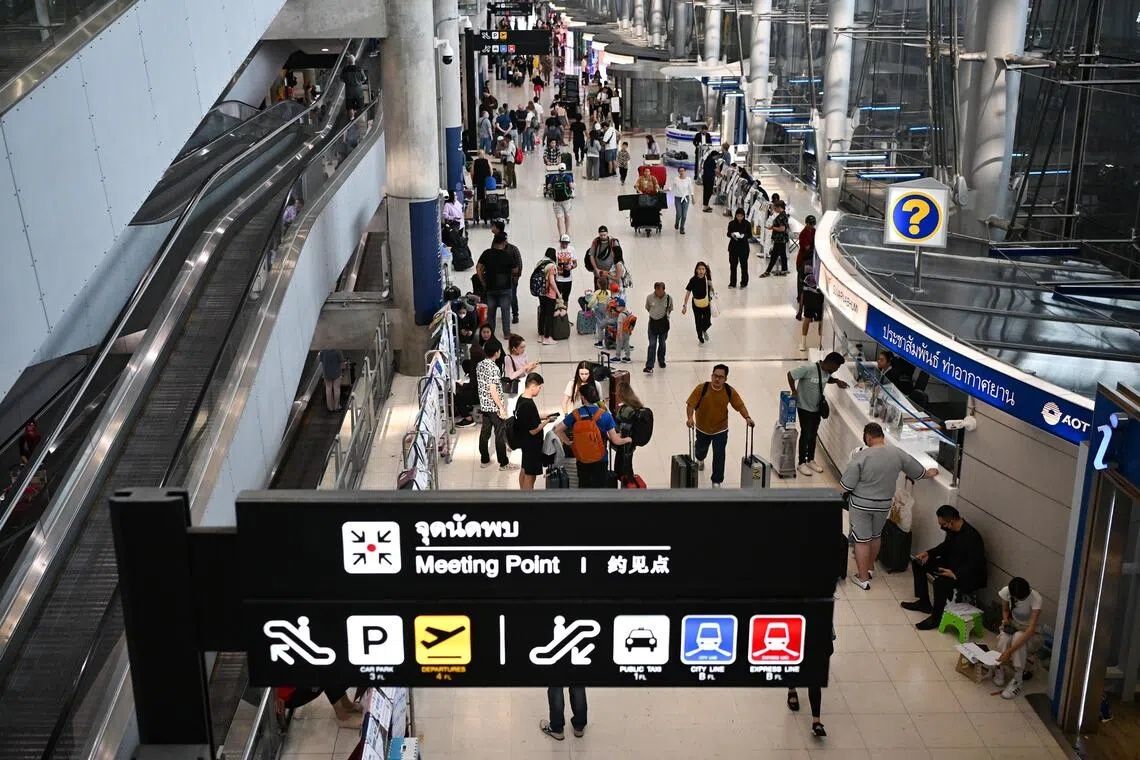
The timing of this development reflects Thailand's acute need to manage surging passenger volumes at its primary international gateway. Suvarnabhumi Airport processes approximately 190,000 passengers daily during peak tourism periods, with international arrivals alone accounting for roughly 70,000 travellers. The immigration processing crunch is particularly acute during afternoon hours, when peak arrivals between 1pm and 5pm generate an estimated 5,000 to 6,000 passengers per hour seeking entry clearance. Without intervention, these bottlenecks threaten to undermine Thailand's reputation as a seamless travel destination and potentially dampen visitor satisfaction at the critical first touchpoint.
Once the expansion reaches full operational capacity, the automated gate system is anticipated to accommodate approximately 6.5 million additional passengers annually. The initiative will also extend eligibility to around 900,000 holders of specific long-term visa categories, substantially broadening access beyond standard tourist arrivals. Lalida projected that if implementation proceeds as planned, approximately 53 percent of all arriving passengers would be able to utilise the automated system, effectively more than halving the passenger volume requiring traditional manual immigration processing. This structural shift could meaningfully alleviate pressure on ground-level immigration facilities and human resources.
The expansion strategy incorporates a measured, phased rollout calibrated to equipment deployment, security protocols, and biometric data infrastructure readiness. First-time visitors will necessarily undergo initial biometric data capture and registration to establish their baseline identity profiles within the system. This registration requirement, while adding marginal time for inaugural travellers, creates a permanent digital record that streamlines all subsequent visits to Thailand. The government views this balance between convenience and security assurance as essential to meeting its dual objectives of expedited processing and enhanced border integrity.
Thailand's approach reflects broader regional trends toward modernising aviation infrastructure. Malaysia's own experience with automated immigration gates at Kuala Lumpur International Airport and other regional hubs demonstrates the tangible operational benefits of such systems. For Malaysian travellers, the expansion at Suvarnabhumi would likely prove beneficial if Malaysia is among the targeted nationalities, potentially eliminating lengthy Thai immigration queues for a substantial portion of Malaysian business travellers and tourists visiting Thailand regularly. The interconnectedness of Southeast Asia's tourism ecosystem means that smoother Thai arrival procedures indirectly benefit the region's overall travel competitiveness.
The initiative emerged from a high-level government delegation visit to Suvarnabhumi, where Deputy Prime Minister and Commerce Minister Suphajee Suthumpun, alongside Tourism and Sports Minister Surasak Phancharoenworakul and Deputy Transport Ministers Siriphong Angkasakulkiat, met with airport authorities and relevant agencies. These discussions extended beyond immigration automation to encompass broader infrastructure challenges including passenger waiting areas, transit facilities, and long-term developmental capacity planning. Government priorities clearly extend beyond immediate queue management to positioning Thailand as a world-class aviation hub capable of absorbing continued tourism growth.
Lalida articulated the government's broader strategic vision, emphasising that expedited processing represents merely one component of a holistic passenger experience enhancement. She stressed that officials aim to create seamless, efficient, and secure arrival experiences from the moment international visitors disembark their aircraft. This philosophy recognises that first impressions significantly influence visitor perceptions of Thailand's hospitality infrastructure and administrative efficiency. A frustrating immigration experience can overshadow subsequent tourist experiences, making gateway optimisation strategically important for maintaining Thailand's competitive positioning within Southeast Asia's tourism marketplace.
The timing proves particularly significant given Thailand's robust tourism recovery trajectory. From January 1 to July 18 of the current year, Thailand welcomed approximately 17.36 million foreign tourists, demonstrating sustained demand and international travel confidence. This volume underscores both the opportunity and urgency of infrastructure modernisation. Without capacity augmentation measures like automated gating, Thailand risks converting tourism success into logistical failure—a scenario where popular destinations paradoxically discourage repeat visitation through poor arrival experiences.
The automated gate expansion carries implications extending beyond immediate operational efficiency. It represents Thailand's commitment to technological innovation in border management and administrative modernisation. As regional nations increasingly compete for international visitor attention and investment, the quality of arrival experiences serves as a proxy indicator of broader governance competence and investment in visitor-facing infrastructure. Thailand's willingness to invest substantially in biometric systems and automated processing conveys confidence in its tourism sector's future growth trajectory and commitment to remaining Southeast Asia's leading tourism destination.
For Malaysia and other regional economies, Thailand's infrastructure expansion merits careful attention. It establishes a competitive benchmark for aviation gateway modernisation, potentially spurring similar initiatives domestically. Malaysian policymakers increasingly recognise that enhancing passenger processing efficiency at key airports like KLIA represents a competitive necessity rather than optional enhancement. The cross-border travel patterns within Southeast Asia mean that suboptimal experiences at any major regional hub ultimately disadvantage the entire region's tourism competitiveness relative to other global destinations.

