Thailand is preparing to convene two separate informal gatherings of ASEAN Foreign Ministers focused on Myanmar, signalling the regional organisation's determination to maintain constructive dialogue on one of Southeast Asia's most pressing political challenges. The meetings, scheduled for Sunday in Bangkok, represent a carefully calibrated approach by ASEAN to engage with Myanmar while navigating the complex diplomatic terrain created by the February 2021 military coup and its aftermath.
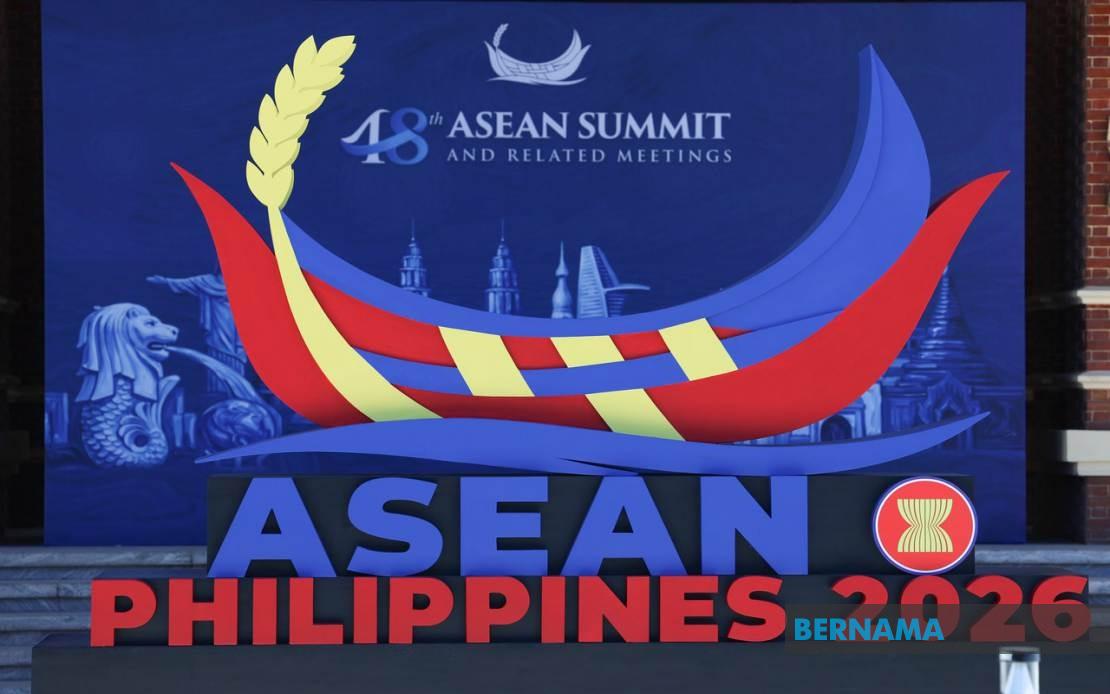
The Philippine delegation, led by Secretary of Foreign Affairs Maria Theresa Lazaro, will chair the proceedings given Manila's position as the current ASEAN Chair. Thailand, serving as host nation, has positioned itself as a neutral venue for these delicate consultations. Myanmar's Foreign Minister U Tin Maung Swe is expected to participate, alongside Thailand's Foreign Minister Sihasak Phuangketkeow, creating an opportunity for direct engagement between the junta-led administration and ASEAN's diplomatic representatives.
According to Deputy Spokesperson Maratee Nalita Andamo from Thailand's Foreign Ministry, the dual-track meeting structure—comprising both a direct consultation with Myanmar's foreign minister and an extended informal consultation—is designed to facilitate candid exchanges among participants. This format allows ASEAN members to discuss their individual concerns and collective positions simultaneously, creating space for nuanced discussion without the formality that might otherwise constrain dialogue.
The meetings carry particular significance as they represent what Thai officials describe as a gradual and principled approach to engagement with Myanmar. Rather than comprehensive formal negotiations, these informal consultations aim to establish groundwork for sustained diplomatic contact and to explore pathways toward positive developments in the country. For Malaysian observers, this measured engagement strategy reflects ASEAN's broader commitment to the principle of non-interference while maintaining pressure through dialogue rather than isolation.
Central to the discussions will be the implementation of ASEAN's Five-Point Consensus, an agreement reached in April 2021 that outlines the regional bloc's expectations for Myanmar's political transition. The consensus calls for immediate cessation of violence, delivery of humanitarian aid, dialogue among Myanmar's stakeholders, observation of ASEAN envoys, and engagement with ASEAN. Nearly two years on, progress on these points has remained limited, making these Bangkok consultations an opportunity to reassess implementation strategies and consider concrete measures that might advance the consensus objectives.
Thailand's role as host carries particular weight given its geographic proximity to Myanmar and its own complex relationship with the country. Bangkok has maintained relatively consistent diplomatic engagement with Myanmar's military leadership while simultaneously holding membership in ASEAN, putting it in a unique position to broker conversations that other members might find more challenging to facilitate. The choice of venue thus represents more than logistical convenience; it reflects a diplomatic calculation about which actor can most credibly convene candid discussions among parties with divergent interests.
Thailand's Foreign Ministry has been explicit that these informal meetings do not constitute a departure from ASEAN's established positions or official decisions regarding Myanmar. This clarification is significant for understanding the careful boundaries within which ASEAN operates. The meetings exist in what might be characterised as a diplomatic grey zone—serious enough to warrant attendance by senior foreign ministers and structured agendas, yet informal enough to avoid creating binding outcomes or appearing to legitimise the Myanmar junta's 2021 coup.
Regionally, the Bangkok consultations arrive at a moment when Myanmar's internal situation remains volatile and humanitarian conditions have deteriorated significantly. The ongoing conflict between military forces and anti-coup resistance movements has created one of Asia's most pressing humanitarian crises, yet ASEAN's traditional consensus-based approach and non-interference doctrine have limited the bloc's capacity to impose meaningful pressure. These meetings represent an attempt to work within those constraints while maintaining channels of communication that might eventually facilitate progress.
For Southeast Asia more broadly, the Myanmar situation tests ASEAN's credibility as a regional institution capable of addressing member state crises. Malaysia, as a fellow ASEAN member with its own interests in regional stability, watches these developments closely. Thai-hosted consultations offer opportunities to assess whether incremental engagement might yield results that more confrontational approaches have not. The absence of any official outcome document from the Bangkok meetings suggests intentional restraint, avoiding the risk of failed joint statements that could further embarrass ASEAN or entrench positions.
The careful management of participation levels and attendance details—with Thai officials noting that final representation was still being finalised—underscores the sensitivity surrounding these meetings. Each decision about which officials attend carries diplomatic weight, signalling either commitment to engagement or degrees of protest. This level of detailed attention to protocol and procedure reflects the high stakes involved in maintaining ASEAN unity on Myanmar while pursuing dialogue with a government that much of the international community views as illegitimate.
Looking forward, these Bangkok meetings may establish patterns for future ASEAN engagement with Myanmar that could extend beyond the immediate crisis period. If informal consultations can gradually create space for substantive discussion on implementation of the Five-Point Consensus, they might provide the foundation for more comprehensive regional strategies. For Malaysian policymakers and analysts, observing whether Thailand can successfully facilitate productive dialogue will offer insights into ASEAN's capacity to manage similar regional challenges through flexible diplomacy.

