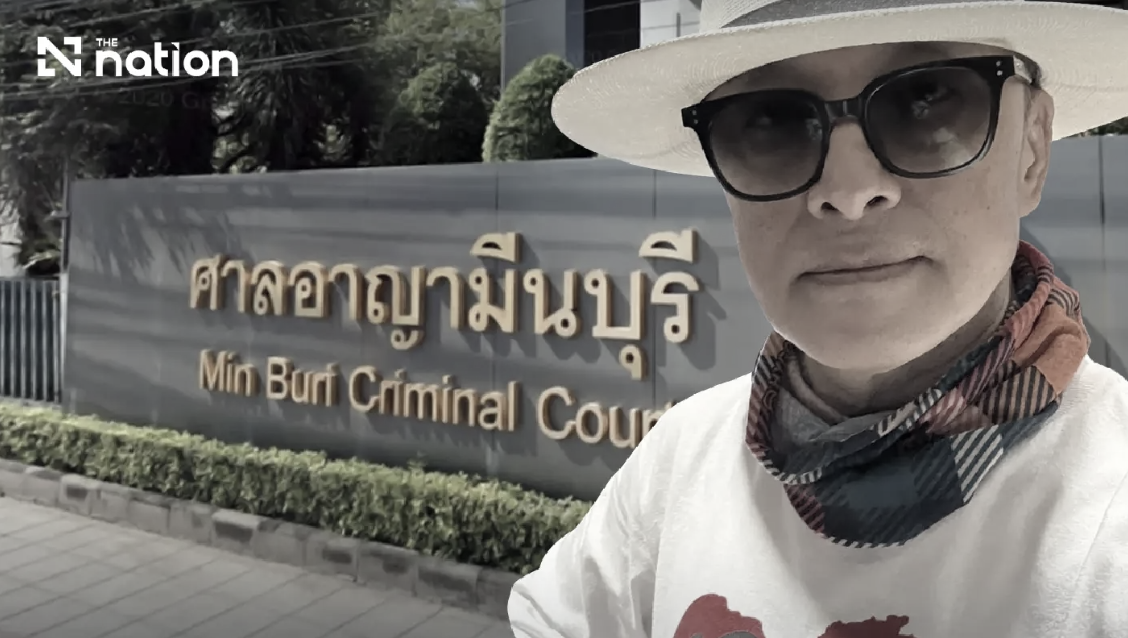
A Bangkok criminal court has handed down a two-year prison sentence to Manasawin Nantasen, the singer popularly known as Tik Shiro, for driving under the influence and causing the deaths of two people in a collision on a Bangkok bridge in October 2024. The conviction marks a rare instance of legal accountability for a member of Thailand's entertainment elite, coming amid persistent public concern about whether wealthy and famous individuals face meaningful consequences for serious crimes.
Tik Shiro ascended to stardom during the late 1980s and 1990s, becoming one of Thailand's most recognisable entertainers through his carefully cultivated image that drew heavily from global pop superstar Michael Jackson. His signature aesthetic—including fedora hats, leather jackets, and choreographed dance routines—became so closely associated with the American icon that Thai audiences began referring to him as their own Michael Jackson. At 64 years old, the performer had maintained a considerable presence in Thai entertainment circles for decades, enjoying the status and influence that came with his fame.
The incident that led to his conviction occurred when Tik Shiro's vehicle struck a stationary motorcycle on a Bangkok bridge. The collision proved catastrophic for the bike's occupants: a 28-year-old woman was killed instantly, while her younger brother, aged 21, sustained injuries severe enough to propel him from the bridge. The brother's condition initially appeared survivable, but he subsequently succumbed to his injuries while hospitalised, bringing the death toll to two. Police investigations confirmed that alcohol impairment had been a factor in the crash, establishing the foundation for the drunk-driving charges.
Images captured immediately after the accident showed Tik Shiro kneeling in apparent distress at the scene, an emotional display that circulated widely across Thai social media platforms. The footage generated substantial public discussion, partly because such visible expressions of remorse from high-profile figures seemed inconsistent with broader perceptions that Thailand's wealthy and connected individuals often escaped serious legal consequences. The viral nature of these images ensured that public attention remained focused on how the justice system would ultimately treat the case.
When sentencing Tik Shiro on Wednesday, the Bangkok court acknowledged several mitigating factors in its judgment. The court noted that the defendant had voluntarily surrendered to authorities and had cooperated fully during proceedings by providing testimony that assisted the investigation. Additionally, the singer demonstrated contrition by attending the funeral ceremonies for his victims and making financial compensation payments to the bereaved families. These actions appeared to weigh positively in the judicial assessment, resulting in a prison term rather than a longer sentence. The court did, however, order the permanent revocation of his driving privileges.
The timing of Tik Shiro's sentencing coincided with another development in Thailand's celebrity justice landscape. Rock musician Sek Loso was released from prison on the same Wednesday after completing a sentence of just over one year for drug-related offences and illegal firearms possession. The two cases, unfolding simultaneously, highlighted the varying trajectories of famous individuals moving through Thailand's criminal justice system, with outcomes depending on specific circumstances, the gravity of charges, and judicial discretion.
The broader context of Tik Shiro's conviction cannot be separated from Thailand's long-standing reputation for unequal justice where fame and wealth accumulate advantages. Public scepticism about whether the powerful face genuine accountability has deep historical roots. The 2012 case of Vorayuth Yoovidhya, heir to the Red Bull business empire, exemplifies this perception. Yoovidhya was implicated in a fatal Ferrari collision with a Bangkok police officer in an affluent neighbourhood, yet despite investigation, he was never formally charged with any offence. The case languished without resolution, fuelling public frustration about the apparent immunity extended to ultra-wealthy individuals.
Similarly instructive is the 2001 nightclub shooting incident allegedly involving the son of former Pheu Thai MP Chalerm Yubamrung, who discharged a firearm fatally at another patron following what was characterised as a dispute. The defendant was subsequently acquitted on grounds that prosecution evidence proved insufficient, a judgment that left many observers questioning whether connections to political figures had influenced either the investigation or trial outcome. These historical precedents colour how Thais interpret contemporary cases involving public figures.
Tik Shiro's conviction therefore carries symbolic significance beyond the individual circumstances. The sentence suggests that celebrity status alone no longer guarantees immunity from consequences, at least in cases with overwhelming evidence, significant public attention, and where the defendant demonstrates cooperative behaviour and remorse. However, observers note that the two-year term for causing two deaths through drunk driving, even with mitigating factors, remains considerably lighter than sentences imposed on ordinary citizens for comparable offences, indicating that even conviction does not entirely erase the advantages accruing from fame and means.
The case reflects evolving pressures within Thai society and its judicial system to demonstrate fairness and impartiality. Social media amplification of high-profile cases has reduced the capacity of authorities to handle celebrity infractions with the discretion previously available. International observers and domestic civil society organisations now scrutinise outcomes more closely, making completely dismissive treatment of serious charges increasingly untenable. Yet the disparities between how different social classes are prosecuted remain evident, suggesting that while progress has occurred, structural inequality within Thailand's justice system persists.
For Malaysian and Southeast Asian audiences, the Tik Shiro case offers instructive parallels about how entertainment industries across the region must grapple with accountability when celebrities commit serious crimes. The incident underscores universal tensions between the privileges associated with fame and the obligations of legal systems to apply rules equitably. Whether Thailand's verdict represents genuine systemic reform or merely a calculated gesture toward appearance of justice remains contested, but the case has undeniably shifted the conversation about celebrity responsibility in Thai public discourse.