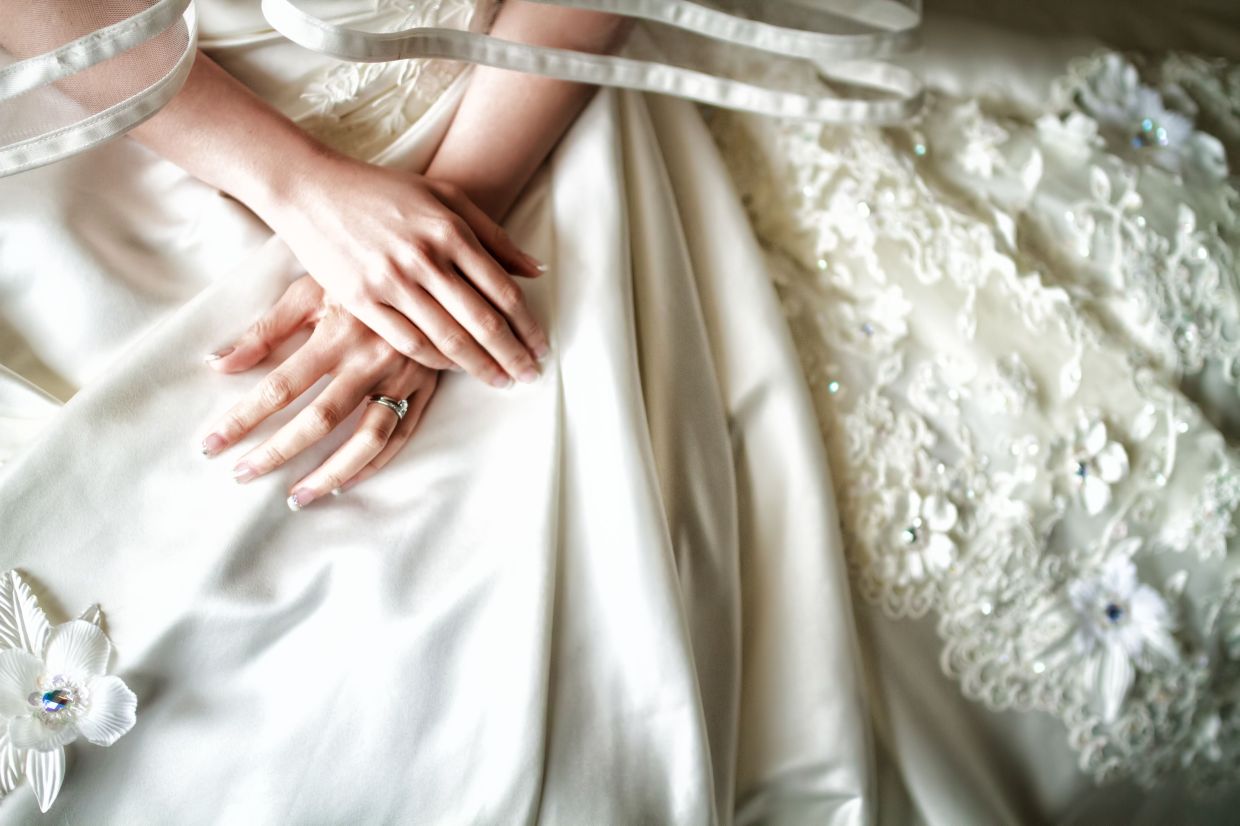
The question of what to do with a mother's wedding dress after wearing it yourself, knowing no daughter will follow, touches something far deeper than mere wardrobe management. Garments, particularly those laden with family significance, function as tangible connections to our past—physical anchors to moments, emotions, and people we hold dear. A wedding dress occupies a peculiar space in this emotional landscape, embodying not just the wearer's joy and dreams, but also the historical moment in which it was sewn, the hands that created it, and the life it witnessed unfold.
This phenomenon has long fascinated scholars and cultural observers. Clothes serve as repositories of joy and grief, experience and memory, functioning as some of the most powerful vehicles for accessing our personal histories. The challenge lies in reconciling our natural desire to preserve these objects with the practical realities of modern living. Keeping every meaningful garment can easily tip from heritage preservation into hoarding, yet discarding them can feel like severing a vital thread connecting us to our identities and lineages.
The attachment runs particularly deep when items have passed through generations. A mother's wedding dress represents not merely her life event, but an entire era—the fabrics available, the design sensibilities of her time, the social customs she observed on that day. By wearing it yourself, you become a living bridge between past and future, a continuation of something begun decades earlier. That accumulated significance makes the decision to part with it feel almost sacrilegious, as though disposing of the dress amounts to erasing part of your family's story.
Parents frequently confront this emotional reality when sorting through their children's outgrown clothing. Those small garments represent irretrievable phases of childhood, tangible reminders of people who no longer exist—replaced by grown adults. The dress becomes the last fragment of a vanished world, a pocket of arrested time. Wedding gowns intensify this dynamic because they simultaneously commemorate an adult transition while being passed down through the female line, creating layers of meaning that transcend individual experience.
Cameron Silver, a luxury brand consultant and founder of Decades, one of North America's pioneering high-end vintage retailers, has guided countless clients through this decision-making process. His perspective proves illuminating: the work resembles therapy as much as fashion consultation. Rather than persuading clients to discard treasured possessions prematurely, Silver helps them examine the deeper motivations behind their attachment. He recommends asking three fundamental questions: Does it actually fit your body and lifestyle? Will you realistically wear it again? And perhaps most revealing—how would you feel if it disappeared entirely?
These questions illuminate whether the attachment stems from genuine wearability and joy, or from guilt and obligation. The answers often suggest several constructive pathways forward. Transformation represents one option—converting the dress into a new garment such as a christening outfit, a cushion cover, or a wall hanging. This approach preserves the material while releasing it from its original purpose, creating what might be termed a secret password to the past woven into something new. Yet transformation carries risk; something ineffable can be lost when the garment's original function is fundamentally altered.
Donation offers a second avenue, particularly when directed toward meaningful recipients. Organizations like Brides Across America distribute wedding gowns to engaged military couples and emergency medical workers who otherwise lack resources to purchase new dresses. This solution transforms the dress from family relic into active participant in someone else's cherished memory. Emily Spivack, a cultural historian who specializes in garment narratives, suggests including a handwritten note documenting the dress's provenance and its wearer's story, so the next person inherits not just fabric but narrative.
A third approach involves formal documentation and storytelling. Spivack conducts workshops where participants bring garments with family significance, photograph them, and write their histories. This ceremonial process of witnessing and recording transforms the dress from possession into legacy, allowing participants to feel genuinely released afterward. The documented story circulates among family members, preserving what matters most—the meaning—while freeing physical space. This distinction matters profoundly: the memory persists; the storage burden dissolves.
Academically minded individuals might consider the archival route. Universities including Smith College, Drexel, Ohio State, and Cornell have begun collecting garments precisely for their everyday significance rather than artistic rarity. These institutional collections use clothing as teaching objects, predominantly to illuminate women's lives across different eras and circumstances. The Cornell University Fashion + Textile Collection holds nearly 350 wedding gowns among its 11,000 objects, including a remarkable 1942 British wedding dress created by dressmaker Cylka Berke from rayon rather than silk—a choice that optimized rationing during wartime while preserving the gown's brilliant whiteness for posterity.
That wartime dress exemplifies how even obscure garments illuminate broader historical truths. The dress tells stories of rationing, ingenuity under constraint, and the persistence of ritual and beauty amid crisis. Institutions recognize that ordinary wedding gowns function as historical documents, revealing far more about how women actually lived than museum pieces ever could. Depositing a family dress in such a collection transforms it from private artifact into public resource, ensuring its story reaches audiences the original wearer could never have imagined.
Ultimately, liberation comes through acknowledging that honoring the past need not require imprisoning ourselves within it. The boundary between heritage preservation and emotional hoarding remains delicate but crucial. Fashion consultant Silver observes that his role involves creating space for clients to reflect on what they genuinely need and value versus what they're keeping from obligation, guilt, or fear. Sometimes the most respectful action toward a precious garment is recognizing when its season has passed, and facilitating its transition into a form where it can continue generating joy and meaning.
The anxiety surrounding wedding dress disposal reflects something universally human: our hunger for continuity, our desire to believe that objects can transmit love and identity across generations. But garments, however cherished, are ultimately impermanent. The real inheritance lies not in the fabric itself but in the stories woven through it—stories that survive being told in new ways, worn by unexpected hands, or preserved in archives where they reach people we'll never meet. Releasing the physical object while honoring the memory it carries requires courage, but it offers something essential: the freedom to move forward while remaining rooted in what truly matters.

