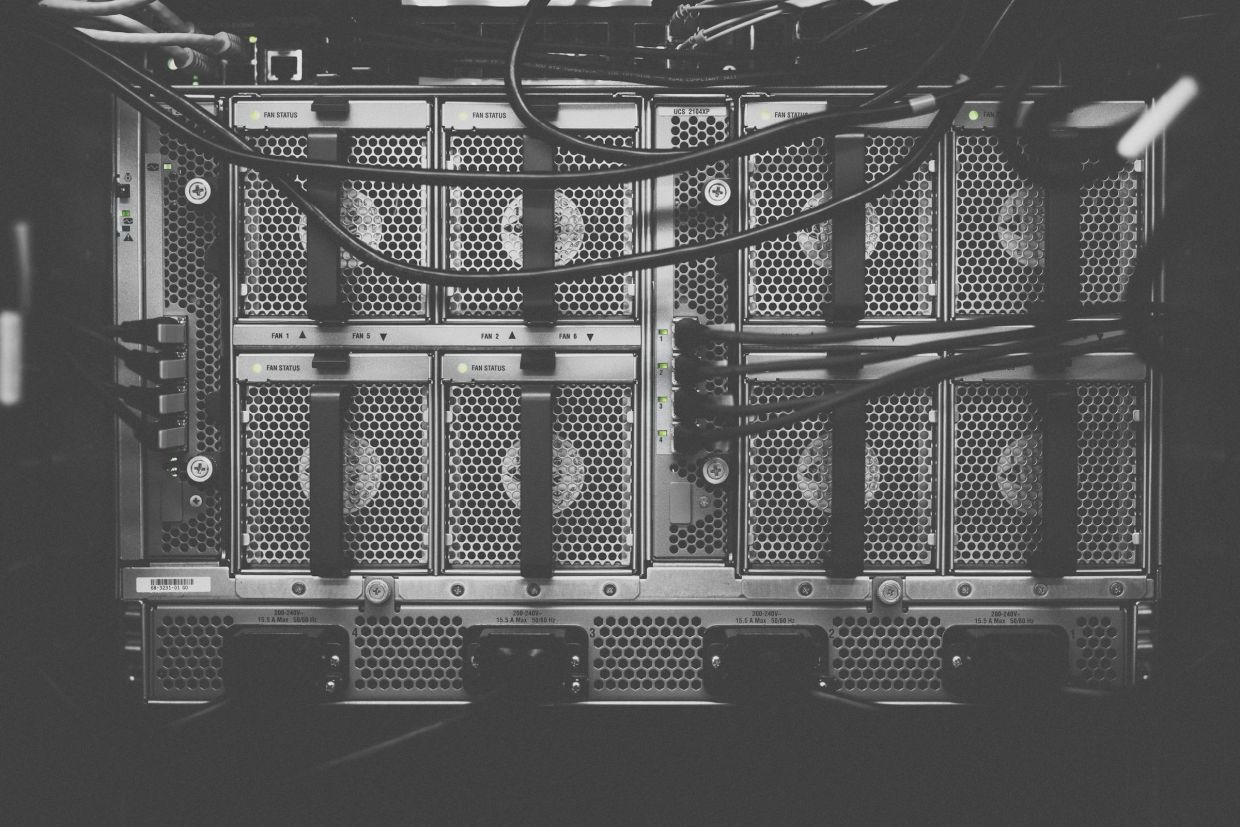
The machinery powering the artificial intelligence revolution produces a sound that never stops—a persistent, low-frequency hum that residents living near data centres describe as the constant thrum of an air conditioner, the distant rumble of a plane, or the drone of an idling truck engine. But this is no ordinary neighbourhood noise. It is a rhythmic, pulsating vibration that penetrates homes and bodies alike, operating twenty-four hours a day, seven days a week, with no prospect of silence.
Across the United States, the scale of data centre expansion is staggering. The nation currently operates more than 3,000 data centres, with another 1,500 in various stages of development, according to analysis by the Pew Research Center. These industrial facilities have long been the invisible backbone of the information economy, quietly processing billions of daily operations while storing vast quantities of data. Yet the rising computational demands of artificial intelligence have triggered an unprecedented building boom, one that is bringing these previously distant industrial complexes closer to residential communities than ever before.
The infrastructure required to power and cool these data centres generates substantial noise. Thousands of servers and processors generate intense heat that must be dissipated through giant industrial cooling fans. Many facilities also rely on diesel-powered generators because electrical grids cannot provide sufficient capacity for such power-intensive operations. The combination of cooling systems, generators, and circulating fans creates an acoustic environment that extends for hundreds of feet—sometimes reaching distances of up to a mile—and can be heard and felt far beyond the facility's perimeter.
What makes this problem particularly insidious is the nature of the sound itself. A significant portion of data centre noise consists of infrasound—extremely low-frequency sound waves that fall below the threshold of human hearing. Rather than hearing these frequencies consciously, people physically experience them as subtle pressure fluctuations throughout their bodies, similar to the deep vibrations felt from a bass speaker at a concert. This distinction is critical because traditional noise measurement and mitigation strategies were never designed to address such phenomena, leaving conventional acoustic solutions inadequate for the challenge at hand.
The health consequences for residents near these facilities are mounting and measurable. People living in proximity to continuous infrasound frequently report chronic sleep deprivation and insomnia, persistent headaches, abnormal pressure sensation in the inner ear, and elevated anxiety levels. These are not merely comfort concerns—they represent serious public health impacts that accumulate over months and years of exposure. Yet legal remedies remain elusive because noise pollution regulation operates almost exclusively at the local level through zoning ordinances designed decades ago to address barking dogs, loud parties, and temporary construction noise, not round-the-clock industrial humming.
The regulatory framework protecting residents is fundamentally broken at the federal level. During the Reagan administration in the early 1980s, the Environmental Protection Agency's Office of Noise Abatement and Control was defunded entirely, leaving no federal agency with authority or resources to enforce noise standards. Even where state and local regulations exist on paper, enforcement capacity is severely limited. As environmental health scientists observe, the statutory framework remains in place, but the institutional infrastructure to actually implement it has been dismantled, effectively rendering many noise ordinances toothless.
Facing this regulatory vacuum, residents are increasingly turning to the courts. Three separate lawsuits have been filed against data centre operators specifically addressing noise impacts on nearby communities. These legal actions are notable because they acknowledge that while data centres may technically comply with existing zoning codes, the constant vibration and humming cause measurable harm—including significant depreciation of property values and the loss of quiet enjoyment that homeowners should reasonably expect. Plaintiffs are seeking both financial compensation for damages and enforceable requirements that companies substantially upgrade their acoustic safeguards.
The Vineland, New Jersey case exemplifies the frustration facing affected residents. Homeowners have sued DataOne USA, which already operates three server rooms at its site and plans to expand to a massive 2.6 million-square-foot complex requiring 300 megawatts of power—sufficient electricity to serve a medium-sized city. One resident, Stefanie Bartiromo, described the existing noise as resembling a helicopter that never moves or a heavy-duty truck running continuously, particularly noticeable during attempts to sleep. Such descriptions underscore that this is not a minor nuisance but a significant quality-of-life issue affecting daily function.
Data centre companies defend their expansion by emphasizing economic benefits and arguing they have already implemented noise reduction measures. DataOne stated its commitment to constructive dialogue and responsible community stewardship, highlighting job creation and local economic stimulation. Similar economic arguments have been made by operators in Dowagiac, Michigan, and Lowell, Massachusetts, where companies converted abandoned industrial facilities into data centres. A 30-megawatt facility in Dowagiac, housed in a building previously used for boat and recreational vehicle storage, now generates the same noise complaints that have become endemic across the sector.
The tension between economic development and residential quality of life exposes a critical gap in how society manages technological change. Data centres are essential infrastructure for digital services that millions now depend upon, yet the expansion of AI-related facilities is imposing concentrated costs on small populations living nearby. As nearly 40 percent of American homes now sit within five miles of at least one operational data centre, with more facilities planned in developed areas, the problem will only intensify without policy intervention.
For Southeast Asian nations watching this unfold, the implications are significant. As data centre developers consider expansion into the region to serve Asian markets and reduce latency for Asian users, countries should examine these regulatory gaps before construction accelerates. Malaysia, with its growing technology sector and attractive business environment, may attract such facilities. Unlike the United States, there remains opportunity to establish appropriate regulatory frameworks and enforcement mechanisms before data centre expansion becomes entrenched and residents' concerns become documented health crises.
The unfolding noise litigation represents a crucial moment for establishing precedent. If courts determine that data centre operators bear responsibility for health and property damages caused by acoustic emissions, it could force the industry to invest in meaningful sound mitigation during facility design rather than attempting retrofits after resident complaints emerge. Conversely, if the industry successfully argues that zoning compliance absolves them of responsibility for infrasound impacts, the message sent to future developers would be equally clear—that acoustic impacts on residential areas need not be seriously addressed.
What the data centre noise crisis reveals is a broader challenge facing modern regulation: legal and zoning frameworks designed for twentieth-century industrial problems are fundamentally inadequate for twenty-first-century technological infrastructure. The solution requires proactive government engagement with acoustic science, genuine enforcement capacity, and recognition that some industrial facilities impose costs on nearby residents that markets alone will not price appropriately. For Malaysia and other nations still establishing their data centre policies, that lesson should arrive not as an afterthought, but as a foundational principle.

