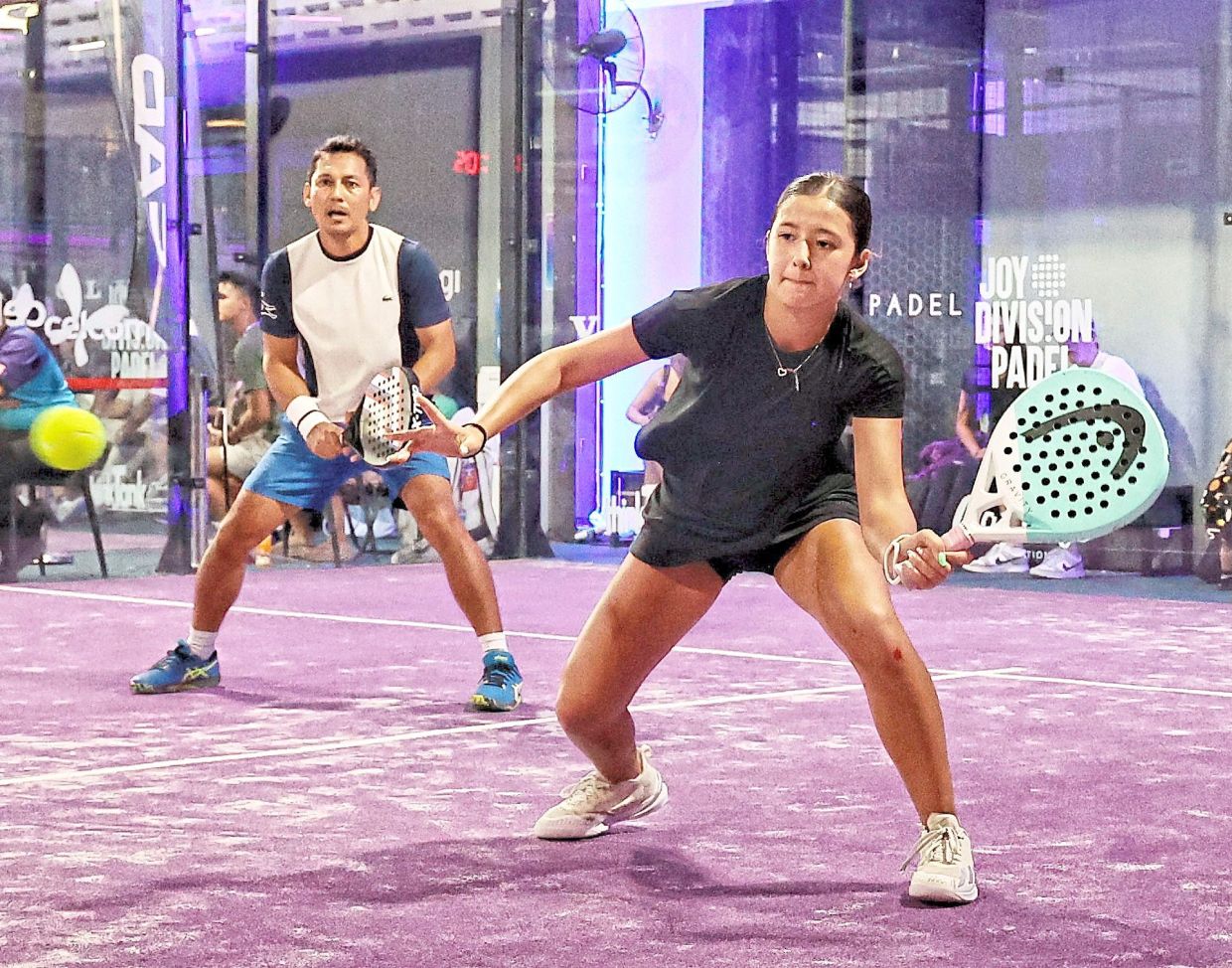
The transformation of Malaysian leisure time over recent years tells a story of shifting urban priorities. Malaysians are abandoning screens and sedentary weekends in favour of competitive play, communal exercise and quantified fitness tracking. Yet this apparent public health success hides a troubling undercurrent: the explosive growth in sports participation is generating a parallel surge in avoidable injuries, straining orthopaedic services and revealing a dangerous gap between enthusiasm and physical readiness.
Evidence of this recreational sports explosion is visible across the Klang Valley and other major cities. Padel, a racquet sport played on enclosed courts, has transformed abandoned warehouses and shopping mall rooftops into buzzing social hubs. Premium time slots sell out days in advance, reflecting extraordinary demand from players seeking a sport that balances competitive intensity with accessibility. Pickleball, once stereotyped as entertainment for retirement communities, has undergone a remarkable reinvention. Players in their 20s and 30s now queue at community halls and converted badminton courts, drawn by rules simple enough to learn in minutes yet complex enough to sustain lifelong engagement. Reformer Pilates establishments have proliferated across urban centres, operating with subscription waiting lists that stretch weeks into the future. Running clubs that struggled to attract participants five years ago now enforce caps on membership to manage overwhelming interest. The market has even created a new category: Hyrox, a hybrid fitness competition combining eight kilometre-long runs with eight functional strength stations—sled pushes, rowing machines, wall balls and similar challenges. Malaysia's inaugural Hyrox event, scheduled for December 12 and 13 at the Malaysia International Trade and Exhibition Centre in Kuala Lumpur, is expected to draw intense demand based on regional precedent; Singapore's inaugural event sold out within minutes of ticket release.
Capital markets are responding to this behavioural shift with enormous bets on health infrastructure. Oura, a Finnish manufacturer of smart rings that monitor sleep, heart rate and recovery metrics, confidentially filed for United States listing last month at a valuation near US$11 billion. The company has distributed over 5.5 million devices globally and projects revenue approaching US$2 billion this year. Rival Whoop, which produces wearable fitness straps without screens, raised US$575 million in March at a valuation exceeding US$10 billion. These capital flows reveal investor conviction that consumers will pay monthly subscriptions not merely for gadgets but for continuous biometric self-knowledge—a shift from product sales to recurring health platform economics.
Multiple social currents are driving this unprecedented participation. A significant factor is generational backlash against digital excess. After years of smartphone dependency and social media consumption, millions have concluded that additional screen time correlates with psychological deterioration, whilst physical activity correlates with measurable wellbeing. The appeal extends beyond individual fitness. Padel and pickleball are inherently social sports, requiring doubles partnerships and encouraging regular interaction. Gyms and running clubs have replaced traditional kopitiam culture for a demographic that consumes less alcohol and increasingly works remotely from home offices. These venues provide structured community engagement that solitary home-based exercise cannot replicate. The proliferation of wearable technology creates a feedback loop: once sleep quality and training strain become visible as data, exercise transforms from vague aspiration into measurable, trackable habit—psychologically powerful for goal-oriented professionals.
From a public health perspective, this participation boom appears unambiguously positive. More than half of Malaysian adults carry excess weight or obesity diagnoses. Diabetes, hypertension and coronary disease consume enormous resources within families and impose substantial burdens on Malaysia's healthcare infrastructure. Regular physical activity remains humanity's cheapest and most consistently effective intervention for these conditions. Exercise demonstrably lowers blood pressure, improves insulin sensitivity, elevates mood, preserves cognitive function and extends years of independent healthy life. The scale of potential population benefit from this fitness movement cannot be overstated.
Yet orthopaedic specialists and sports medicine physicians across Malaysia are now reporting a troubling countertrend. Injury presentations are rising sharply among recreational athletes, following a predictable demographic pattern. Typically affected are individuals aged 40 to 55, often working desk-dependent professional roles for two decades, who discover padel or commit to Hyrox training with friendship groups and escalate from complete physical inactivity to four training sessions weekly within four weeks. The physiological reality is unforgiving: while cardiovascular adaptation occurs rapidly—the heart and lungs respond to training stimuli within days—the musculoskeletal system operates on fundamentally different timescales. Tendons, ligaments and cartilage strengthen gradually across months, not weeks. They tolerate only incremental load increases. Dramatic acceleration in training volume triggers predictable injury cascades.
The injury patterns emerging in Malaysia mirror those documented internationally as these sports expand. Padel and pickleball impose extreme demands: explosive lunging, rapid directional changes, overhead striking with deceleration forces concentrated through the shoulder. Consequently, injury epidemiology shows consistent patterns—calf muscle tears, Achilles tendon ruptures, knee ligament injuries and shoulder instability are rising wherever these sports establish significant participant bases. International analysis from investment bank UBS estimated that pickleball injuries alone would generate between US$250 million and US$500 million in direct medical costs within a single year in the United States, with the heaviest disease burden concentrated among players exceeding 60 years of age. Extrapolating these patterns to Malaysia's rapidly expanding recreational sports population suggests mounting pressure on orthopaedic services, rehabilitation facilities and healthcare budgets already constrained by chronic disease management demands.
The emerging challenge for Malaysia's sports and health sectors is reconciling participation growth with injury prevention. Current recreational sports environments typically lack structured medical oversight, baseline fitness assessment or supervised progression protocols. Most participants begin intense training without guidance on appropriate load escalation, warm-up protocols or recovery management. Sports clubs, courts and fitness facilities operate primarily as commercial enterprises focused on capacity utilization rather than participant safety education. Healthcare systems lack capacity for the preventive screening and early intervention that might intercept injuries before they develop into chronic conditions requiring expensive surgical intervention and extended rehabilitation.
Addressing this collision between enthusiasm and safety requires systemic intervention. Recreational sports organizations should implement basic medical screening for new participants, particularly those over 40 or with sedentary professional backgrounds. Training programs should emphasize gradual load escalation, typically increasing weekly volume by no more than 10 percent. Facility operators could partner with physiotherapists to deliver brief on-site education about injury prevention and recovery principles. Healthcare systems should consider subsidizing early physiotherapy intervention for recreational athletes, recognizing that prevention remains more cost-effective than post-injury management. Wearable technology companies could integrate training load management algorithms that alert users when they exceed evidence-based safety thresholds.
Malaysia's recreational sports boom represents a genuine achievement in public health behavioural change. However, realizing the full potential of this movement requires acknowledging the musculoskeletal limits of human bodies undergoing rapid conditioning. The weekend athlete phenomenon will continue accelerating. Healthcare systems must prepare accordingly, transforming enthusiasm into sustainable participation that delivers promised health benefits without consuming increasing orthopaedic resources treating preventable injuries. The opportunity exists to build a genuinely healthy and active Malaysia—but only if growth in sports participation is matched by equivalent sophistication in medical support and injury prevention infrastructure.

