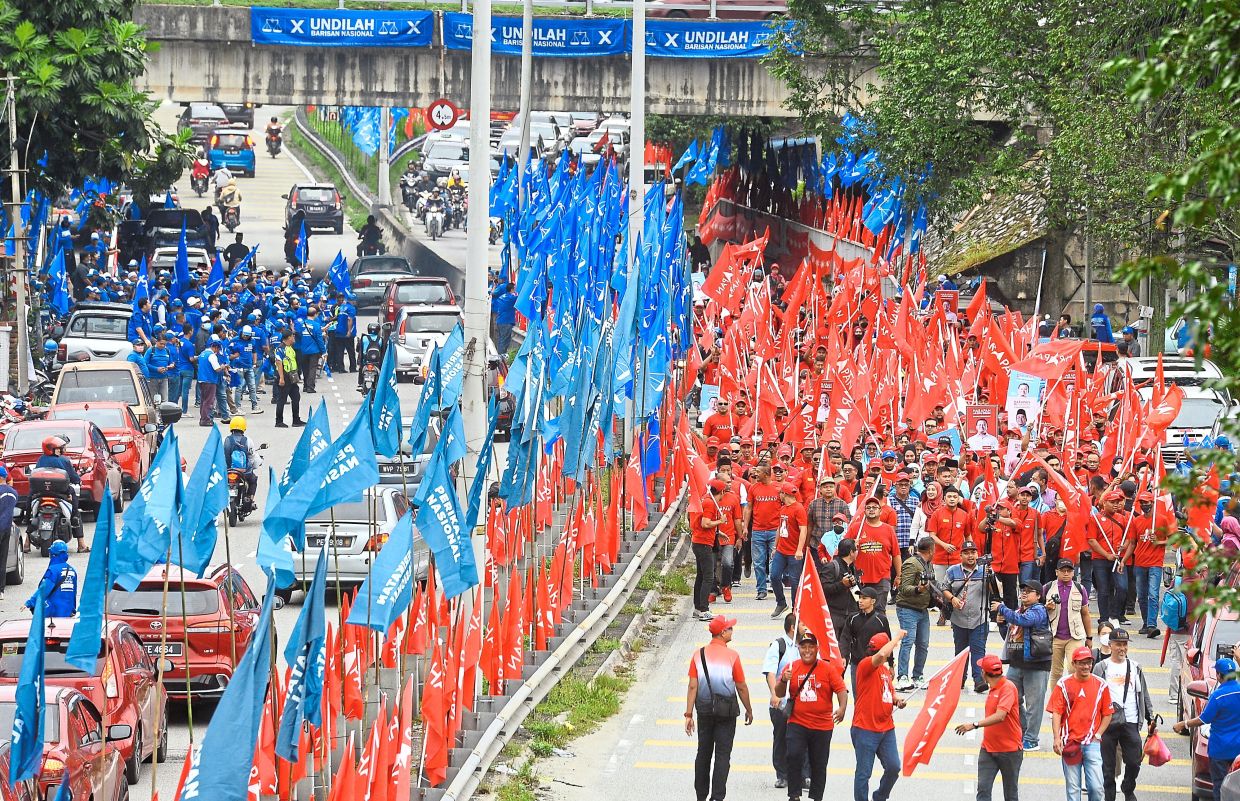
The prospect of elections brings a peculiar strain to Malaysian political life, affecting not only those seeking office but the wider electorate as well. As politicians nervously await nomination announcements for the forthcoming 2026 state elections in Johor and Negri Sembilan, and voters brace for what many anticipate will be general elections in the not-too-distant future, the emotional weight of these democratic exercises becomes increasingly apparent. This stress extends far beyond political calculations and into the realm of human psychology, triggering anxiety responses that can measurably affect physical and mental health across the population.
For political contestants, the emotional journey during election periods is particularly intense. Those competing for nomination face the anguish of uncertainty about their candidacy, wondering whether they will even have the opportunity to contest. For those who successfully secure nomination, a different anxiety takes hold—the gnawing fear of electoral defeat. Incumbent leaders and well-established political figures find themselves confronting the prospect of losing not merely an election but their status, influence, and carefully cultivated political legacies. This existential threat can trigger genuine psychological distress, transforming what appears to be a routine democratic process into a deeply personal ordeal.
The physical manifestations of election anxiety are difficult to ignore. Campaign periods consistently produce poor sleep quality, persistent fatigue, and heightened irritability among those directly engaged in politics. Yet the challenge extends beyond internal stress management. Unrelenting social media activity introduces a particularly corrosive element, with unverified stories and deliberately inflammatory content circulating at pace, designed to damage candidate reputations and amplify psychological strain. These digital attacks, whether substantiated or not, accumulate into a mounting psychological burden that even experienced politicians must struggle to bear.
Despite these formidable pressures, Malaysian politicians have demonstrated a remarkable capacity for resilience. Many have shown they can summon determination when circumstances appear most difficult, persisting through adversity and mounting strong campaign efforts even when facing considerable obstacles. This psychological toughness, however, should not obscure the real toll that electoral competition exacts on those involved in the political process.
The emotional impact of elections, however, extends well beyond the political class. Ordinary Malaysians participating in the electoral process increasingly report heightened stress levels during campaign periods. The constant stream of media coverage, workplace discussions, and social media discourse surrounding electoral competition creates a persistent background of political engagement that many find draining. Genuine concerns about how electoral outcomes might reshape government priorities, affect economic policy, or influence social direction compound this stress. The proliferation of political parties, coupled with complex alliance structures and shifting strategic arrangements, leaves many voters feeling disoriented and anxious about making informed choices.
A particularly troubling dimension of contemporary Malaysian elections involves the growing tendency to fuse personal identity and political affiliation. When political preferences become intertwined with fundamental aspects of self-identity and community belonging, disagreement over candidates or parties can feel like personal rejection or attack. This psychological dynamic transforms political debate from policy discussion into something more emotionally charged and personally threatening. Consequently, supporters of unsuccessful candidates often experience genuine distress and insecurity about electoral outcomes, occasionally translating into relationship strain with those supporting different parties.
The campaign environment itself—saturated with negativity, accusation, and inflammatory rhetoric amplified by news channels and social media algorithms—creates an ambient stress that infiltrates private relationships. Family dinner conversations become tense, workplace interactions more fraught, and social media engagement more hostile. People become more reactive, prone to irritability, and sometimes withdrawn from normal social participation. These behavioral changes suggest that election-related anxiety operates at a level deeper than conscious political preference, affecting emotional regulation and interpersonal functioning.
It is worth noting that Malaysian political culture demonstrates a remarkable capacity to reset emotional temperature once voting concludes. The viciousness and acrimony that characterize campaign periods tend to dissipate remarkably quickly once electoral results are announced and accepted. Even political rivals and their supporters often resume normal interaction with apparent ease, suggesting that much of the hostility during campaigns reflects situational stress rather than deep-seated animosity. This pattern, while reassuring, does not eliminate the genuine psychological toll experienced during the electoral period itself.
From a physiological perspective, election anxiety operates through well-established stress mechanisms. When anxiety activates the autonomic nervous system, the body releases adrenaline and cortisol—neurochemicals designed for acute threats but problematic when chronically elevated. Sustained adrenaline elevation increases vulnerability to cardiovascular events including heart attacks and strokes. Prolonged cortisol elevation disrupts multiple bodily systems: blood sugar regulation becomes impaired, immune function diminishes, and blood vessel constriction increases cardiovascular strain. These are not abstract concerns but measurable biological consequences of prolonged psychological stress.
Moreover, election stress directly affects the amygdala—paired almond-shaped brain structures governing sensory processing, memory formation, emotional regulation, and decision-making. When stress levels remain elevated, the amygdala becomes hyperactive, responding to political information in exaggerated or disproportionate ways. This neurobiological amplification means that election-period stress doesn't merely create psychological discomfort; it actually alters how citizens process political information and form judgments about candidates and policies.
While Malaysia lacks comprehensive research specifically examining election anxiety, international evidence provides concerning parallels. Britain's 2019 general elections triggered negative mental health impacts affecting one in three survey respondents, primarily reflecting anxiety about policy uncertainty following electoral shifts. Similarly, a United States survey conducted before the 2024 presidential elections found that 56% of American adults characterized the election as a significant stressor affecting their daily lives. These findings suggest that election-related anxiety represents a near-universal phenomenon in democracies, regardless of specific national context or political system characteristics.
Individual personality types and accumulated historical experience further shape how people navigate election periods. Those with prior experience of dramatic political shifts may carry heightened sensitivity to electoral outcomes. Personality traits associated with anxiety predisposition or greater emotional reactivity may intensify election-related stress. Yet despite these variations, most registered Malaysian voters approach voting day with genuine eagerness to participate, motivated by emotions ranging from civic responsibility to gratitude toward particular candidates or parties. Many have invested considerable intellectual and emotional energy in evaluating policy platforms, analyzing political ideologies, and wrestling with competing visions of national direction. This investment, while healthy democratic engagement, simultaneously creates the conditions for election-related stress and anxiety.

