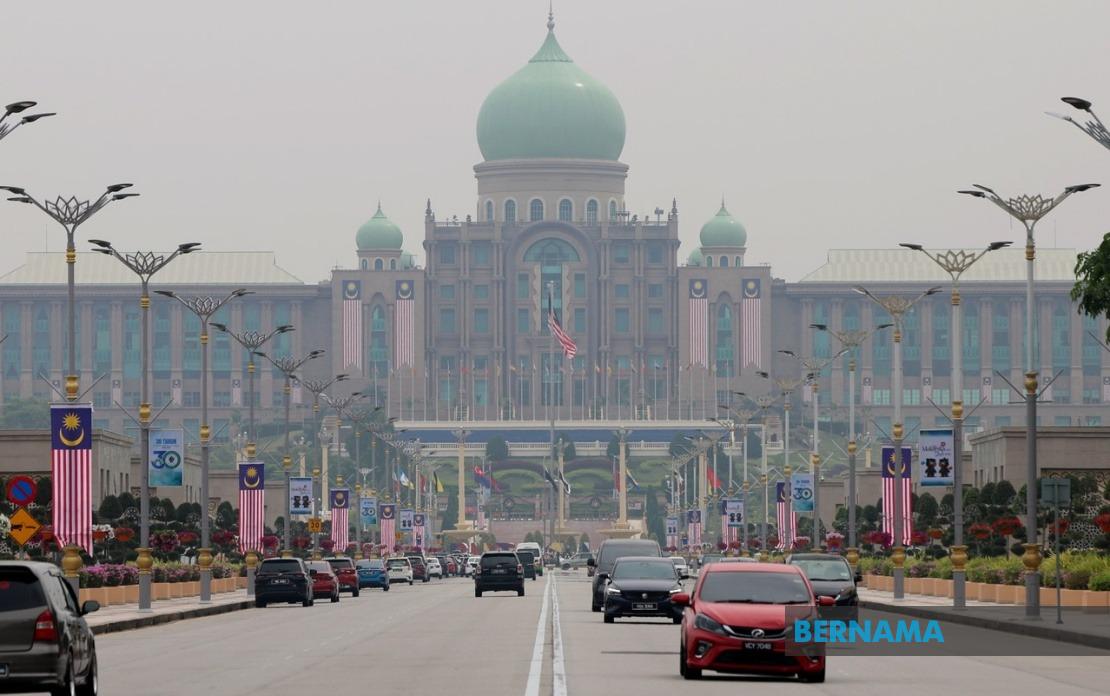
The Malaysian Meteorological Department has flagged a significant deterioration in air quality across multiple regions of the country, with forecasts pointing to persistent hazy conditions persisting until the end of August. The warning, issued by MetMalaysia director-general Dr Mohd Hisham Mohd Anip, comes as the nation approaches its National Day celebrations on August 31, raising questions about the viability of outdoor events planned for the milestone occasion.
The root cause of the anticipated haze lies across the border in Indonesia, where an unusually high concentration of active fire hotspots continues to burn in southern Sumatra and western Kalimantan. The timing coincides with the southwest monsoon season, which channels smoke and particulate matter northwestward into Malaysian airspace. This meteorological combination has created conditions that MetMalaysia's Malaysian Community Multiscale Air Quality Model predicts will prove particularly challenging for the next five days.
Among Malaysia's regions, Sarawak emerges as the most vulnerable area in the department's forecasting model. The majority of districts in the state are anticipated to experience hazy weather conditions classified as Unhealthy under the Air Pollutant Index scale, with some districts potentially reaching the more severe Very Unhealthy category on August 30 and 31. This represents a concerning deterioration that could impact daily activities and public health in the state, particularly for vulnerable populations including children, the elderly, and those with respiratory conditions.
On the peninsula, the haze is expected to extend southward with considerable intensity. Sabah will begin experiencing hazy conditions from Saturday onward, while the Klang Valley metropolitan region—encompassing Selangor, Kuala Lumpur, and the federal administrative centre of Putrajaya—alongside Johor, Melaka, and Negeri Sembilan, faces elevated haze concentrations that could persist through the end of the month. This geographical spread underscores the transboundary nature of air pollution, a persistent challenge for Southeast Asian nations sharing the same atmospheric space.
The timing of this haze episode carries particular significance given Malaysia's national calendar. The government had been preparing for substantial National Day festivities on August 31, with the celebration forming part of a series of commemorative occasions that extends through Malaysia Day on September 16. Prime Minister Datuk Seri Anwar Ibrahim has been actively overseeing preparations involving the entire government machinery for these dual celebrations, which typically feature large outdoor gatherings and public spectacles.
The deteriorating air quality has prompted official reconsideration of these plans. Communications Minister Datuk Seri Fahmi Fadzil indicated that the government is actively weighing whether to scale down the National Day celebration or relocate it to an alternative venue, potentially an indoor location that would shield participants from hazardous air conditions. Such a decision would mark a significant departure from traditional outdoor ceremonies and represents a practical acknowledgement that environmental factors can override scheduling preferences.
Prime Minister Anwar has publicly appealed to Malaysians to pray for an improvement in the situation ahead of the festivities, reflecting the degree of uncertainty surrounding air quality evolution. The appeal underscores how transnational environmental challenges can intersect with matters of national importance, placing policymakers in the position of having to make contingency arrangements for high-profile events. The sentiment also reflects a broader regional vulnerability that Southeast Asian nations continue to grapple with during fire seasons in Indonesia.
MetMalaysia has committed to maintaining continuous surveillance of atmospheric conditions and updating its forecasts as new meteorological data becomes available. The department's monitoring capacity relies on satellite observations, ground-based monitoring stations, and sophisticated modeling systems that attempt to predict haze transport and concentration changes. However, such forecasts contain inherent uncertainties, particularly regarding the timing and intensity of precipitation that could clear the atmosphere more rapidly than currently anticipated.
The current haze episode illustrates the complex interplay between regional geography, seasonal weather patterns, and land management practices across borders. Indonesia's fire season, typically peaking during the dry months, has proven to be a recurring source of air quality challenges for neighbouring nations. Efforts to coordinate transboundary air quality management and address root causes of Indonesian hotspots remain ongoing through bilateral and multilateral frameworks, though immediate relief depends on meteorological conditions and rainfall patterns beyond government control.
For Malaysian businesses and institutions, the haze warning necessitates contingency planning. Schools may need to consider indoor activities or extended closures if air quality reaches dangerous levels. Construction projects, outdoor sporting events, and tourism activities could all face disruption. The economic implications of such disruptions, combined with the public health impact of prolonged exposure to poor air quality, underscore why air pollution remains a significant policy concern for the Malaysian government.
The potential modification of National Day celebrations also highlights how Malaysia's government has become increasingly responsive to environmental constraints when planning major public events. This represents a shift from earlier decades when such events proceeded regardless of atmospheric conditions. The contemporary approach reflects both scientific literacy about air pollution health impacts and acknowledgement of public expectations regarding official responsibility for citizen welfare.
Looking ahead, the resolution of the current haze situation will depend substantially on meteorological factors beyond Malaysian control. Should rainfall move into the region or wind patterns shift, air quality could improve more rapidly than current forecasts suggest. Conversely, if dry conditions persist and Indonesian hotspots remain active, the situation could extend beyond August 31. The government's contingency planning represents prudent risk management while acknowledging the inherent uncertainty in predicting environmental phenomena across borders.

