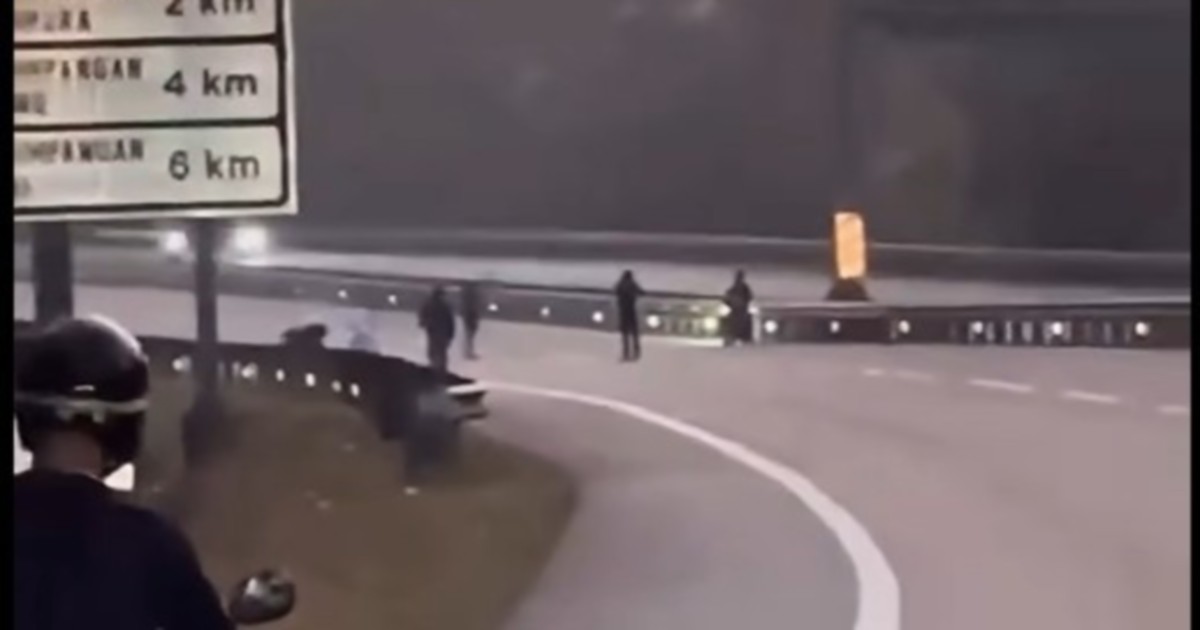
Three more men have been remanded in connection with an illegal motorcycle racing operation on the Second Link highway, marking a significant escalation in law enforcement action against the dangerous activity. The latest detention, which occurred in Kulai, represents the continued unfolding of a major investigation into street racing activity on one of Johor's most critical transport corridors. These arrests now bring the cumulative total of individuals apprehended in relation to this incident to 11.
The Second Link highway, which connects southern Johor to Singapore via the Johor Bahru-Singapore crossing, is one of Malaysia's busiest commercial and commuter routes. The use of this strategically important stretch for illegal motorcycle racing represents a particularly egregious form of reckless endangerment, given the volume of legitimate traffic and the safety risks posed to other road users. Such activities not only violate traffic regulations but also undermine the security and integrity of a critical international transport corridor.
The escalating arrest numbers suggest a coordinated and comprehensive police investigation into what may constitute an organised street racing network rather than a spontaneous incident. The sequential detention of suspects indicates that authorities are methodically working through leads and building a fuller picture of the operation, including identifying those directly involved in the racing, spectators, organisers, and potentially those who facilitated or coordinated the activity online.
Illegal motorcycle racing has emerged as a persistent public safety concern across Malaysia, particularly in urban and suburban areas where groups of riders congregate to participate in unsanctioned speed competitions. These activities carry substantial risks beyond the immediate participants, as other motorists and pedestrians face unpredictable hazards from vehicles operating at dangerous speeds on roads not designed for such use and without traffic management protocols in place.
The involvement of 11 suspects across various roles within this operation suggests a multi-layered structure typical of organised street racing communities. Beyond the racers themselves, such activities typically involve spectators who gather to watch, individuals who film and share footage on social media for notoriety, and potentially organisers who arrange the events, secure locations, and coordinate participants. Each category of involvement raises distinct legal and safety concerns.
Law enforcement authorities in Johor have historically taken a firm stance against illegal racing activities, recognising the threat they pose to road safety statistics and public order. The Second Link's significance as a major transport artery connecting Malaysia to Singapore amplifies the importance of maintaining security and safety standards on this route. Any disruption or safety incident could have ripple effects across the broader transport network linking the two nations.
The investigation's progression suggests that police are leveraging both conventional detective work and likely digital evidence, including mobile phone records and social media activity, to identify all parties involved. Organising an illegal racing event typically requires communication among participants, and digital trails often prove crucial in establishing the full scope of coordination and identifying individuals who may not have been present at the actual location.
From a legal perspective, participants in such activities face potential charges under various traffic and criminal statutes, including breaches of the Road Transport Act that carry significant fines and potential imprisonment. Beyond the immediate legal consequences, convictions for dangerous driving or participating in illegal racing can result in driving license suspensions, affecting individuals' mobility and employment prospects, particularly in sectors requiring valid driving credentials.
The incident reflects broader challenges Malaysian authorities face in combating street racing culture, particularly among younger demographics who view such activities as displays of skill and social status. The proliferation of social media and video-sharing platforms has inadvertently amplified the appeal of such stunts by providing avenues for widespread visibility and peer recognition, creating incentive structures that encourage increasingly dangerous behaviour.
Community safety advocates have long called for a multipronged approach to address illegal racing, encompassing not only enforcement action but also public awareness campaigns highlighting the lethal consequences of such behaviour. The remand of these 11 individuals sends a signal that authorities are committed to pursuing these matters aggressively through the judicial system.
The outcomes of these cases will likely set precedents for how courts handle similar offences, potentially influencing the calculus of potential participants in future illegal racing activities. Sentencing decisions will be closely watched by both the street racing community and road safety advocates as indicators of how seriously the judiciary regards these offences.
As investigations continue, authorities may uncover additional suspects or organisational structures operating across multiple locations or timeframes. The interconnected nature of street racing communities across Malaysia means that patterns identified during this investigation may assist in disrupting similar networks operating in other states and jurisdictions. The Second Link case thus potentially represents just one element of broader efforts to counter organised illegal racing activities throughout the country.

