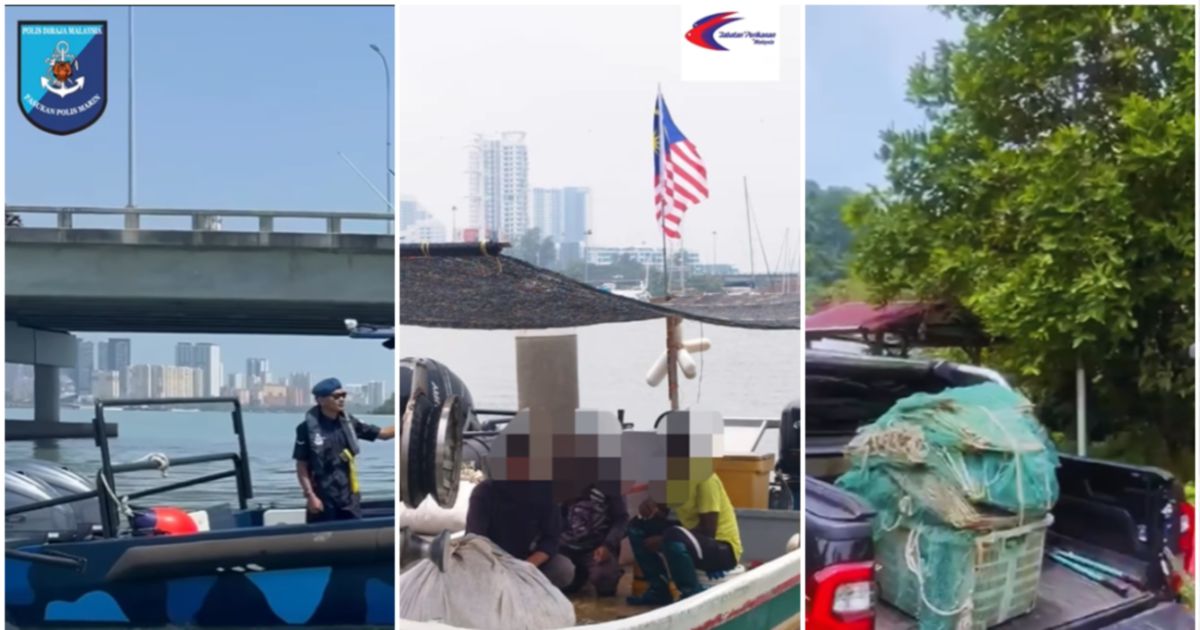
Three individuals face investigation following their detention during a coordinated maritime enforcement operation conducted in Penang waters. The operation, which deployed multiple agencies working in tandem, resulted in the confiscation of fishing apparatus and a vessel with a combined estimated value of RM75,360—a significant seizure that underscores authorities' commitment to regulating activities at sea.
The arrests represent part of ongoing efforts by Malaysian authorities to maintain order and compliance within territorial waters. Penang, with its strategic location along major shipping lanes and its proximity to international waters, has long been a focal point for maritime law enforcement. The waters surrounding the state experience consistent regulatory challenges, ranging from illegal fishing practices to unauthorised vessel operations, making coordinated enforcement actions increasingly necessary.
The seizure of equipment alongside the vessel suggests the operation targeted commercial or semi-commercial fishing activities rather than artisanal fishing. The scale of confiscated assets—totalling nearly RM75,400—indicates the authorities likely identified substantial breaches of fishing regulations. Malaysia maintains strict licensing requirements for fishing operations, and unauthorised commercial fishing represents a persistent issue affecting both marine ecosystem sustainability and legitimate fishermen's livelihoods.
Joint enforcement operations in Malaysian waters typically involve coordination between multiple agencies, potentially including the Department of Fisheries, the Maritime Enforcement Agency, and local police units. Such multi-agency approaches have proven effective in addressing complex maritime violations that require specialised knowledge and resources. The collaborative model also distributes enforcement responsibilities across institutions with complementary jurisdictions and expertise.
For Malaysian fishermen operating legitimately in these waters, such enforcement actions carry implications beyond mere regulatory compliance. Unlicensed or illegal fishing operations drain fish stocks and undermine sustainable marine resource management, directly threatening the viability of legal fishing enterprises. Penang's fishing communities depend on healthy aquatic ecosystems, and intensive enforcement signals a policy direction favouring long-term sustainability over short-term extraction.
The detention of three individuals raises questions about the nature and scope of their activities. Authorities will likely investigate whether the operation involved violations of fisheries legislation, maritime regulations, or international agreements governing fishing rights. The investigation phase will determine whether charges proceed and what penalties may apply, outcomes that typically influence similar enforcement actions across Southeast Asia.
This operation reflects broader regional trends in maritime enforcement. Throughout Southeast Asia, countries increasingly recognise that coordinated sea patrols and joint operations yield better compliance outcomes than isolated regulatory efforts. The fishing industry's tendency to operate across jurisdictional boundaries necessitates sophisticated enforcement mechanisms that can track and intercept vessels rapidly.
The economic value assigned to seized equipment provides context for the scale of the operation. RM75,360 represents substantial capital investment, suggesting the confiscated items included modern fishing apparatus, navigation equipment, and possibly fuel or storage facilities aboard the vessel. Such assets enable extensive fishing operations, potentially across multiple trips or extended seasons, indicating the suspected activity was likely organised beyond individual opportunistic fishing.
Stakeholders in Malaysia's fishing sector will monitor how authorities proceed with investigation and prosecution. Clear, consistent enforcement signals to fishing communities the seriousness with which government treats regulatory violations. However, enforcement alone cannot address underlying drivers of illegal fishing; many operators engage in prohibited activities due to economic pressures or limited access to legitimate licensing.
For regional observers, Penang's enforcement action exemplifies how Malaysian authorities maintain maritime security and resource protection. The operation demonstrates institutional capacity for coordinated action and commitment to implementing fishing regulations consistently. Such capabilities matter considerably for maintaining order across Malaysia's extensive maritime domain and protecting fisheries resources worth billions annually to the national economy.
The detained individuals' identities and specific charges remain subject to investigation completion. How authorities charge and prosecute these cases will likely establish precedents influencing future enforcement decisions. Additionally, recovery and disposition of seized equipment—whether through auction, destruction, or other mechanisms—typically attracts attention from maritime law enforcement practitioners throughout the region.

