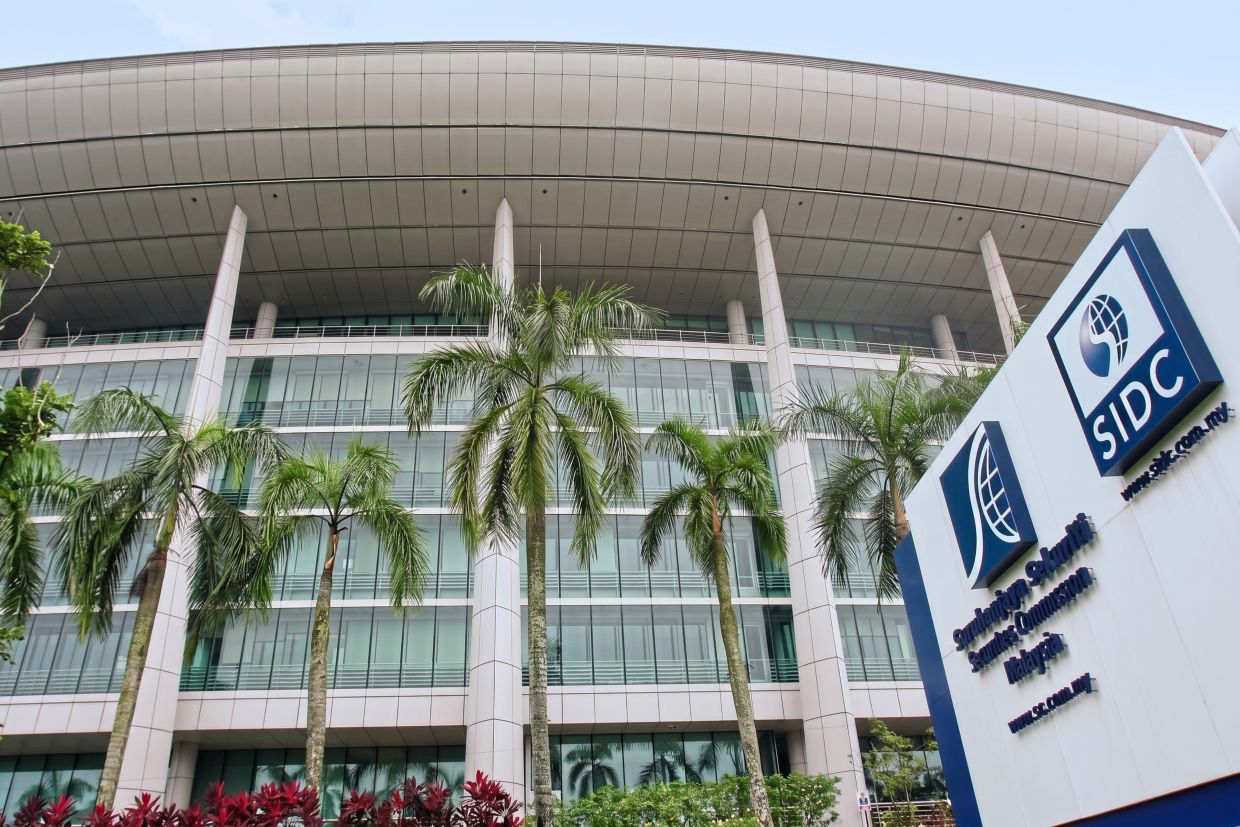
The Securities Commission Malaysia has moved to prosecute three brothers—Anuar Hassan, Mohd Amin Hassan and Amir Hassan—across multiple Kuala Lumpur Sessions Court hearings for conducting unlicensed securities operations. The enforcement action reflects the SC's continued commitment to policing the capital markets and preventing sophisticated financial fraud that could expose ordinary investors to significant losses.
The charges, filed under section 58(1) of the Capital Markets and Services Act 2007, relate to the alleged operation of a securities dealing business without the mandatory SC Capital Markets Services Licence. This provision sits at the heart of Malaysia's regulatory framework for protecting retail investors and maintaining market integrity. Operating securities businesses without proper licensing essentially circumvents critical consumer protections, audit requirements, and risk management standards that licenced entities must maintain.
Mohd Amin Hassan faced a single charge under section 58(1) of the CMSA and was released on bail of RM30,000 with two Malaysian sureties. The court imposed additional conditions requiring him to surrender his passport and report monthly to the SC's investigating officer. These conditions are standard in financial crime cases and serve to ensure the defendant's presence at trial while preventing attempts to move assets offshore or flee jurisdiction.
Anuar and Amir Hassan were jointly charged with two counts under section 58(1) of the CMSA read together with section 34 of the Penal Code, which concerns abetment and conspiracy. The joint charges suggest coordinated activity rather than isolated incidents, indicating the brothers may have operated a structured organisation to solicit and manage client funds. Both were granted bail of RM30,000 each with two sureties and the same reporting conditions.
The procedural complexity of the case became apparent as Amin and Amir faced additional charges. They were each charged separately under section 58(1) read with section 34 of the Penal Code, with bail set at RM20,000 each. Amir faced the heaviest individual charges, including two separate counts under section 58(1) alone, with bail set at RM30,000. This escalation suggests Amir may have played a more central role in the alleged scheme or conducted the unlicensed business across multiple transactions or client relationships.
Anuar and Amin were also jointly charged with one count under section 58(1) read with section 34 of the Penal Code, reflecting further allegations of conspiracy between them. Each received bail of RM30,000 with two sureties. Anuar additionally faced a standalone charge under section 58(1), also with RM30,000 bail, indicating his involvement extended across multiple aspects of the alleged operation.
The alleged offences took place between March 2019 and October 2019 across Kuala Lumpur, Putrajaya, Selangor and Johor. The geographic spread across multiple jurisdictions and states suggests the operation may have been deliberately distributed to evade detection or to target clients in different regions. This territorial expansion is characteristic of sophisticated unlicensed financial schemes that establish multiple collection points and operate through networks of associates.
All three defendants have claimed trial, signalling their intent to contest the charges. This decision means the cases will proceed to full trial, where the SC must establish beyond reasonable doubt that the brothers conducted securities dealing activities and did so without proper licensing. The prosecution will likely present evidence of client transactions, communications, marketing materials, and fund flows to demonstrate the systematic nature of the alleged business.
Conviction carries severe penalties designed to deter similar conduct. Those found guilty face fines reaching RM10 million, imprisonment for up to 10 years, or both. The severity reflects Parliament's judgment that unlicensed securities dealing poses significant harm to public confidence in capital markets and poses grave financial risks to individual investors who lack the protections provided by regulated entities.
For Malaysian investors and the broader financial services landscape, this enforcement action underscores the SC's active monitoring of illicit market activities. Unlicensed operators typically promise unrealistic returns, operate without transparent fee structures, maintain no segregated client accounts, and disappear once funds are collected. By pursuing criminal charges, the SC aims to disrupt such operations before they damage investor confidence or trigger systemic concerns.
The case also highlights the importance of verification before investing. Prospective clients should independently check the SC's official register of licenced capital market service providers before engaging any intermediary. The consequences of dealing with unlicensed operators extend beyond personal financial loss to broader market integrity concerns that affect savings culture and capital formation throughout Southeast Asia.
These prosecutions represent part of a broader regional trend in which securities regulators intensify enforcement against unregistered operators exploiting retail investors through sophisticated online schemes and personal networks. Malaysia's approach aligns with efforts across ASEAN to strengthen investor protection and coordinate cross-border investigations into financial crime.

