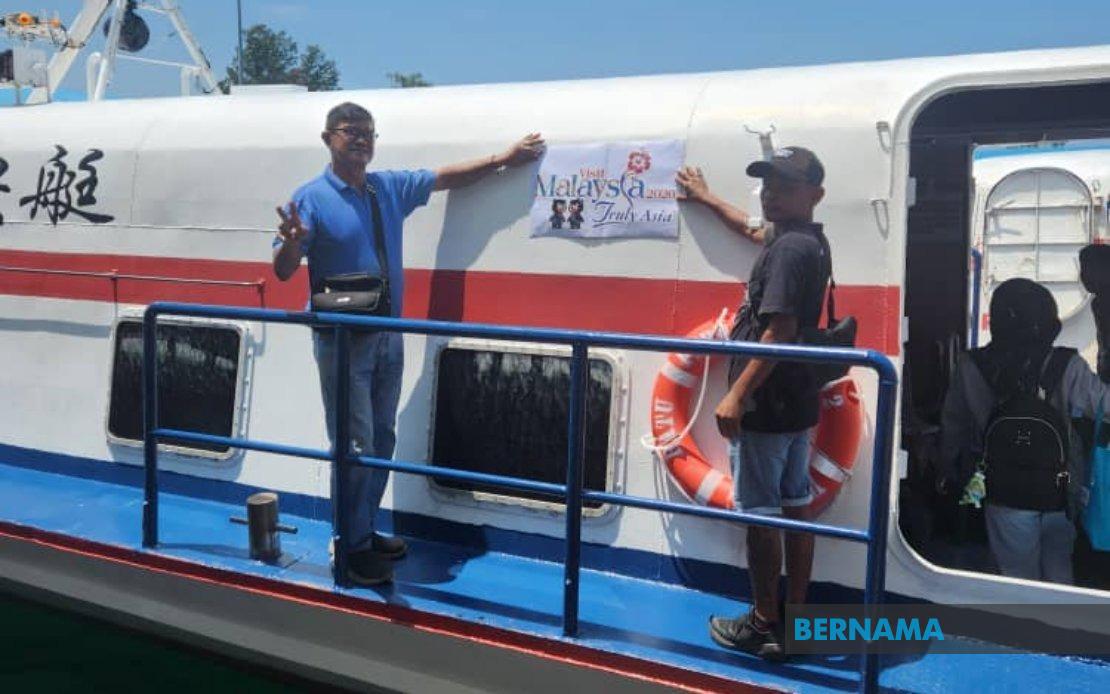
A critical maritime link serving thousands of students and patients across the Malaysia-Sarawak border has ceased operations, marking an unprecedented disruption to regional transport connectivity. The passenger ferry running between Labuan and Lawas, Sarawak—a service that has operated continuously for more than three decades—has suspended all sailings effective July 14, with the temporary freeze expected to last until October 14. The suspension represents a significant administrative and logistical challenge for communities dependent on this affordable sea route, particularly education and healthcare users across both regions.
RPL Shipyard Co, the current operator managing the service, formally notified LDA Holdings Sdn Bhd, which administers the Labuan International Ferry Terminal, of the decision. The suspension stems from a combination of structural economic pressures that have gradually eroded the viability of the operation. Most critically, the operator has struggled to secure consistent diesel supplies—a fundamental input for vessel operations—while simultaneously facing escalating expenditure across multiple fronts. Labour costs and routine maintenance expenses have climbed substantially, creating a financing squeeze that existing passenger tariffs can no longer offset.
The financial model underpinning the service has fundamentally deteriorated, according to RPL Shipyard's correspondence. The operator explicitly stated that current fare structures are insufficient to sustain daily running costs and broader operational expenses. Rather than continuing operations at an unsustainable loss, the company opted for a strategic pause to stabilise its financial position and restructure internal processes. Management expressed cautious optimism that the service would resume once market conditions improved and cost pressures eased, but no definitive timeline has been provided beyond the October resumption target.
The suspension carries immediate consequences for Labuan's educational ecosystem. Sarawakian students enrolled at Universiti Malaysia Sabah and Labuan Matriculation College have traditionally relied on this economical sea transport option to commute between their home state and the federal territory. The ferry service provided a cost-effective alternative to air travel or long overland routes, making tertiary education more accessible for families in Lawas and surrounding districts. Students now face limited alternatives: significantly more expensive flights, extended bus journeys through challenging terrain, or temporary relocation arrangements—each option straining household budgets in a region where educational opportunities are already geographically constrained.
Healthcare access constitutes another critical dimension of this disruption. Residents from Lawas and nearby communities have depended on the ferry to reach Labuan Hospital for specialist treatment unavailable locally. The suspension creates a healthcare access gap for patients requiring urgent or planned interventions, forcing them toward more costly transportation methods during medical emergencies or planned procedures. This disruption particularly affects vulnerable populations—the elderly and those with chronic conditions—who may find alternative transport options both expensive and physically demanding.
LDA Holdings chief executive officer Noor Halim Zaini confirmed receipt of the operator's suspension notice and indicated management's commitment to dialogue. The holding company, responsible for ferry terminal management, scheduled immediate consultation with RPL Shipyard to discuss underlying operational challenges and potential solutions. This engagement suggests recognition that the suspension, while temporary, raises systemic questions about the long-term sustainability of cross-border maritime services serving lower-density populations in Southeast Asia's peripheral regions.
The suspension reflects broader structural challenges facing regional ferry operations across Southeast Asia. As fuel costs remain volatile and labour expenses continue climbing, operators of smaller-scale maritime services struggle to maintain profitability without government subsidies or fare increases that risk pricing out vulnerable user groups. Malaysia's own experience with rural transport subsidies suggests that some services cannot survive purely on commercial terms, yet the ferry sector has received limited policy attention compared to road or air transport initiatives.
Diesel supply disruptions merit particular scrutiny. The persistence of fuel supply issues suggests logistics or distribution inefficiencies specific to Labuan's position as a federal territory with limited local refining capacity. These supply chain vulnerabilities underscore the need for enhanced maritime fuel security frameworks across Malaysia's maritime corridors, particularly for essential public services. Without addressing underlying supply reliability, even resumed operations would remain precarious.
Government intervention may become necessary to preserve this essential service. Regional governments in both Labuan and Sarawak might explore subsidy mechanisms, direct operational support, or regulatory adjustments to passenger fares that balance affordability with financial sustainability. Alternatively, smaller vessel operators or cooperative arrangements might reduce operating costs while maintaining service frequency. However, no formal government response to the suspension has been announced, leaving uncertainty about whether this three-month pause becomes permanent.
The suspension underscores the interdependence of Malaysia's internal borders and the vulnerability of services linking peripheral communities. Educational and healthcare access across state boundaries relies on functioning transport infrastructure that often operates on thin commercial margins. Students and patients in Lawas now confront unexpected friction in accessing Labuan's institutions—a reminder that regional connectivity requires sustained attention beyond initial infrastructure development.

