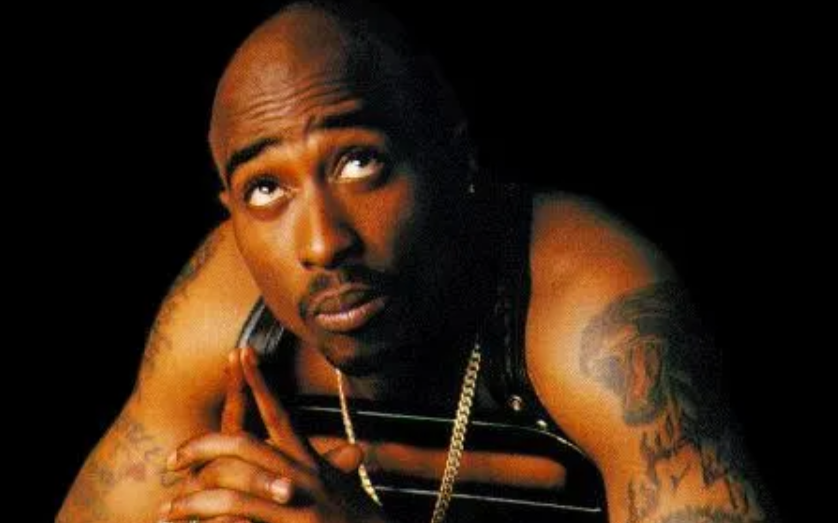
The trial of Duane "Keffe D" Davis, a 63-year-old former South Side Compton Crips leader, commenced Monday with jury selection in one of America's most storied cold cases. The proceedings represent a watershed moment for the 1996 killing of Tupac Shakur, the legendary West Coast hip-hop artist who was gunned down during a drive-by shooting in Las Vegas on September 7, 1996. Davis faces a possible life sentence without parole if convicted, though prosecutors acknowledge the trial lasting approximately one month may never definitively identify who actually fired the fatal shots.
Shakur's death became intertwined with the broader East Coast-West Coast hip-hop rivalry that defined the mid-1990s music industry landscape. The rapper, who died at just 25 years old, represented the commercial and cultural ascendancy of West Coast hip-hop during an era when Death Row Records, headed by Marion "Suge" Knight, dominated the genre. This dominance created deep tensions with the East Coast establishment, particularly Bad Boy Records, the powerhouse label founded by Sean "Diddy" Combs and home to Christopher "The Notorious B.I.G." Wallace, who himself was murdered in a similar drive-by shooting just months later in March 1997. The trial will inevitably resurrect the ghosts of this cultural war that shaped an entire generation's musical consciousness.
Prosecutors have constructed a narrative rooted in gang allegiances and retaliation. According to their account, Death Row Records enjoyed protection from Mob Piru, a Los Angeles street gang affiliated with the broader Bloods alliance, while Bad Boy Records had enlisted Davis's South Side Compton Crips—natural Bloods rivals—as security personnel. This gang infrastructure created a dangerous dependency on criminal organizations, a dynamic that underscored the vulnerabilities lurking beneath the glittering surface of 1990s hip-hop celebrity. The prosecution alleges that the trigger for Shakur's killing was an incident immediately following a Mike Tyson boxing match at the MGM Grand casino, where Knight and Shakur attacked Davis's nephew, Orlando "Baby Lane" Anderson, in what prosecutors characterize as retaliation for an earlier assault on a Death Row Records employee.
What makes the Davis case particularly compelling from a legal and investigative perspective is how it highlights the double-edged nature of memoir publishing in criminal justice. For nearly two decades, the Shakur murder investigation remained dormant, hamstrung by insufficient physical evidence and the predictable silence of potential witnesses bound by street codes or fear. The case experienced an unexpected resurrection following the 2019 publication of Davis's memoirs, in which he provided remarkably incriminating details about his role that night. Davis explicitly stated he sat in the front seat of a white Cadillac, handed a pistol to passengers in the rear, and witnessed what followed. However, consistent with the careful deception that has long characterized gang culture, he stopped short of naming the actual shooter, leaving that crucial detail conspicuously absent from his confession.
Davis's subsequent arrest in September 2023 appears to have prompted a dramatic recalibration of his legal strategy. The defendant has since entered a not guilty plea and fundamentally contradicted his earlier admissions, now claiming he was in Los Angeles rather than Las Vegas on the night in question. In a March 2025 interview conducted from prison with ABC News, Davis went further, denying any role in the killing and asserting his complete innocence. He reframed his own memoir as an unreliable document created largely by his co-author through independent investigation, painting himself as merely a source who provided biographical fragments that were subsequently enlarged and sensationalized for commercial purposes. This reversal underscores the profound tension between a defendant's desire to establish literary credibility among readers and the legal liability such candor creates in criminal proceedings.
Davis's defense team made several unsuccessful pre-trial motions aimed at excluding both the memoir and a 2008 police interview, recognizing that his own words represented the prosecution's most damaging evidence. Without the documented admissions Davis made when he perceived himself as safely removed from legal jeopardy through his book deal, the state's case would rest on considerably shakier evidentiary ground. The prosecution must now navigate the complicated task of establishing that Davis's earlier voluntary statements, made when he believed himself untouchable, carry greater weight than his current prison denials. This credibility analysis—determining when Davis was truthful and when he was dissembling—will occupy much of the trial's intellectual terrain.
The circumstances of the actual shooting, according to prosecution allegations, unfolded with the stark brutality characteristic of gang violence. Following the MGM Grand incident where Anderson was assaulted, a white Cadillac containing Davis, Anderson, and unidentified others reportedly pulled alongside Shakur's vehicle. Gunfire erupted from the Cadillac, fatally wounding Shakur despite the presence of his security detail. The rapper's death occurred in Las Vegas but reverberated across American popular culture with an intensity that transcended typical crime news coverage, spawning three decades of speculation, conspiracy theories, documentaries, and cultural analysis. That resonance reflects both hip-hop's outsized cultural importance and the enduring mystery surrounding who pulled the trigger.
A significant complication for justice in this case stems from the passage of time and the deaths of potential witnesses. Everyone else present in the Cadillac that fateful night has subsequently died, meaning the truth about which individual actually fired the shots may remain forever obscured. The prosecution cannot directly prove that Davis himself killed Shakur, only that he orchestrated the attack and supplied the weapon. This distinction matters profoundly from a legal standpoint, potentially distinguishing between murder convictions and lesser charges depending on how a jury interprets accessory liability and criminal conspiracy.
The trial's significance extends beyond the specific charges against Davis, touching on broader questions about how American justice systems handle decades-old cases that have become culturally mythologized. Shakur's stepbrother Maurice Shakur filed a wrongful death lawsuit in civil court during May, arguing that individuals involved in the murder have escaped accountability for three decades. This parallel proceeding suggests that even if the criminal trial concludes with a conviction, many within Shakur's circle view the outcome as fundamentally incomplete, with other alleged participants still beyond the reach of legal consequence. The civil complaint emphasizes systemic failures and the possibility of additional culpability extending beyond Davis himself.
For Malaysian and Southeast Asian readers, the Shakur case offers instructive lessons about the intersection of celebrity, gang culture, and criminal justice. While American gang dynamics and hip-hop rivalries may seem geographically distant, they reflect universal patterns of honor cultures, revenge cycles, and the vulnerability of entertainment industry figures who become entangled with criminal organizations. The trial also illuminates how memoir publishing, social media disclosures, and documentary filmmaking can resurrect cold cases decades after the initial crime, a phenomenon increasingly common in the streaming era across multiple jurisdictions. Davis's contradictory statements raise questions about credibility and truth-telling that resonate wherever memoir literature enjoys cultural prominence.
The trial outcome remains genuinely uncertain, and the proceeding's ultimate failure to identify the actual shooter represents a modest indictment of detective work conducted during an era when gang violence in major American cities often proceeded with de facto impunity. Whether conviction rests on conspiracy and accessory charges rather than direct murder liability, the verdict will likely disappoint those seeking definitive answers about what occurred during those fatal seconds in Las Vegas. Nevertheless, the trial's occurrence itself marks a turning point, suggesting that even the most famous cold cases can eventually yield to investigative pressure when sufficient time passes and sources choose to speak.

