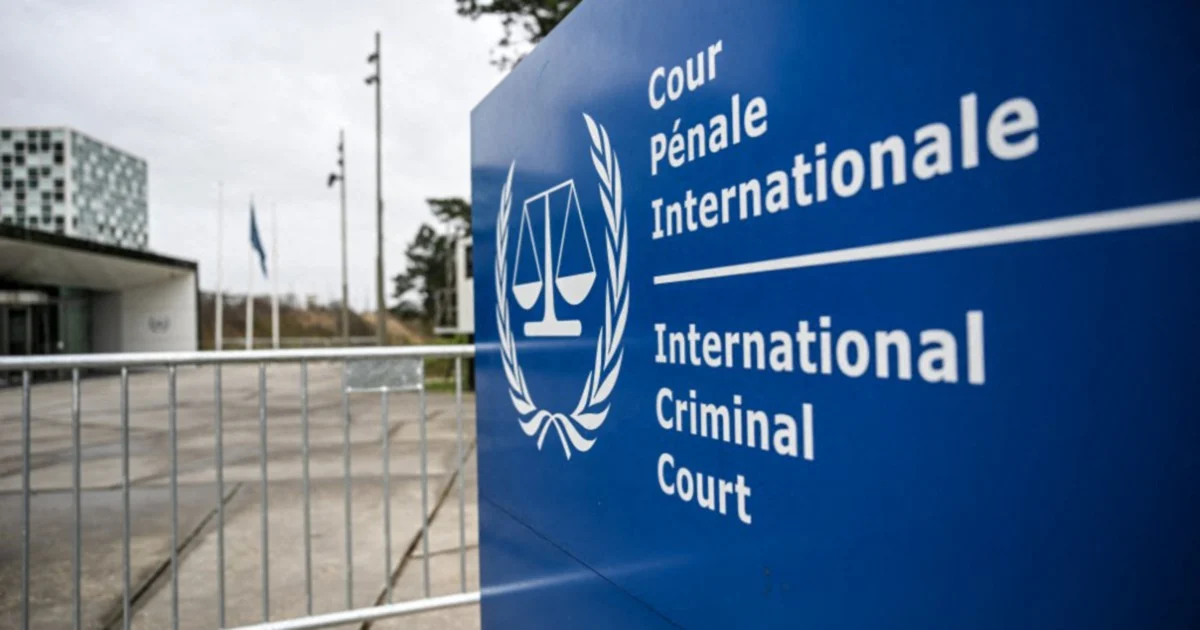
Three judges from the International Criminal Court have taken the extraordinary step of filing a lawsuit in United States federal court against President Donald Trump and several other high-ranking American officials, contesting the legality of sanctions imposed upon them. The legal action, filed on Wednesday, represents a significant escalation in tensions between the Trump administration and the global criminal justice institution, marking one of the rare occasions when ICC judicial officers have pursued such direct confrontation with a major power through American courts.
The sanctions in question were implemented by the United States as part of its contentious relationship with the International Criminal Court. The American government has historically harboured deep scepticism towards the institution and its operations, viewing aspects of its mandate and enforcement mechanisms as inimical to American interests and sovereignty. When the ICC embarked on investigations and prosecutions that the Trump administration viewed as unfavourable to the United States or its allies, these sanctions became an instrument of pressure and retaliation.
The judges characterise the sanctions as draconian in their scope and effect, arguing that the measures go far beyond what any nation is entitled to impose under established international law. These restrictions typically include freezing of assets held in American financial institutions, prohibitions on conducting business transactions within the American economy, and restrictions on travel to the United States. For international officials whose work often requires global mobility and access to international financial systems, such measures can effectively curtail their professional functioning.
According to the complaint filed, the sanctions lack proper legal foundation and represent an unlawful interference with the judicial independence that must characterise any international court worthy of legitimacy. The judges assert that their prosecutorial and investigative activities fall squarely within their mandate as established by the Rome Statute, the treaty that created the International Criminal Court. To penalise them for executing their official duties, the lawsuit suggests, constitutes a fundamental violation of established norms governing international institutions.
The case touches upon fundamental questions about the relationship between powerful states and international institutions. The International Criminal Court, established in 2002 and headquartered in The Hague, Netherlands, operates as an institution of last resort when national courts fail to prosecute individuals for genocide, crimes against humanity, and war crimes. Yet its effectiveness depends significantly upon the cooperation or at least the forbearance of major world powers, particularly the United States, whose economic and diplomatic influence remains unmatched globally.
The Trump administration's approach to the International Criminal Court reflects a broader pattern of skepticism towards multilateral institutions that the administration views as constraints upon American freedom of action. Previous administrations have similarly expressed concerns about ICC operations, particularly regarding potential investigations into American military personnel or allies. However, the systematic use of sanctions against individual judges represents an unusually direct form of pressure that the current administration has deployed.
For nations in Southeast Asia and the broader Global South, the dispute carries particular resonance. Many countries in this region have expressed commitment to international law and the International Criminal Court as mechanisms for accountability and justice, viewing them as essential counterweights to the dominance of powerful states in international affairs. The spectacle of a major power pursuing sanctions against international judges for executing their duties sends troubling signals about the viability of these institutions as truly independent arbiters of international justice.
The lawsuit also highlights the tension between national jurisdiction and international obligations. The United States, whilst not a signatory to the Rome Statute that established the International Criminal Court, remains bound by general principles of international law that recognise the legal status and immunity of international officials. The judges' lawyers will likely emphasise these principles in their arguments before American courts, though the receptiveness of United States judges to such arguments remains uncertain given the Trump administration's scepticism.
The case unfolds amid broader questions about the future of international institutions in an era of great power competition and nationalist sentiment in major democracies. The International Criminal Court faces mounting pressure from multiple directions, struggling to maintain legitimacy whilst investigating powerful actors and navigating the geopolitical currents of global politics. This lawsuit by the judges themselves represents both a defence of institutional integrity and an acknowledgement that the International Criminal Court must now pursue its battles through the legal systems of hostile states.
As the litigation proceeds through American courts, it will test fundamental assumptions about whether international institutions can effectively defend themselves against the economic and diplomatic weight of major powers. The outcome could significantly influence how other international organisations approach similar confrontations, potentially shaping the entire landscape of global governance in coming decades. For countries throughout Southeast Asia that depend upon functional international frameworks to protect their own interests in a world of unequal power, the implications of this contest extend far beyond the immediate dispute between Washington and The Hague.

