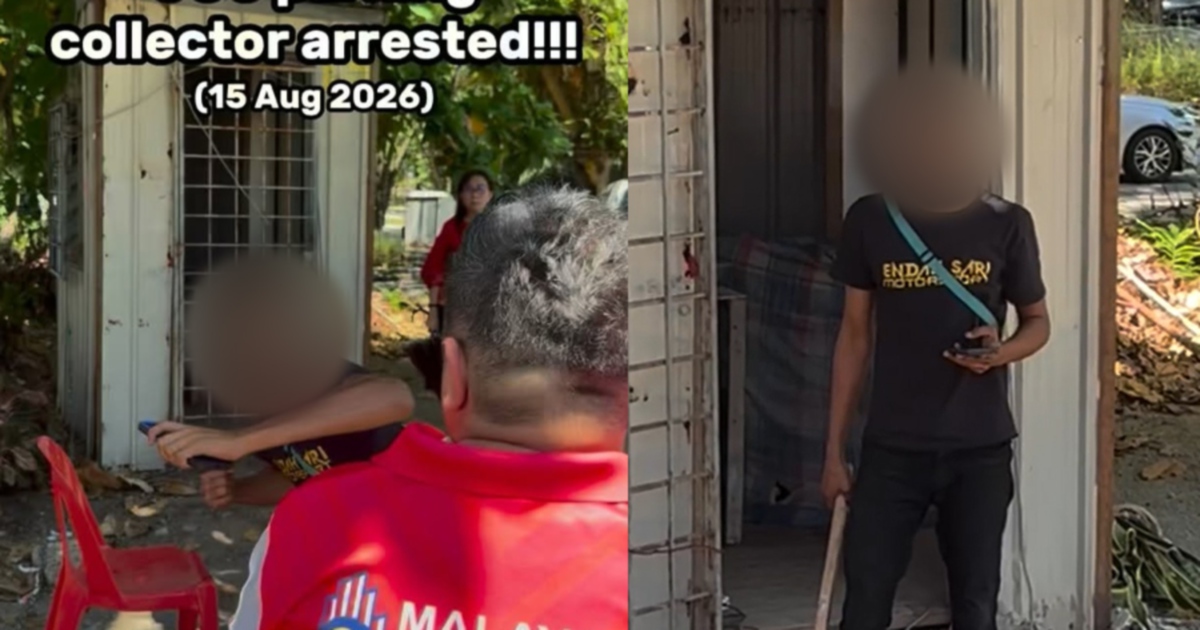
Police in Kuala Lumpur have apprehended three men in connection with an assault on a 38-year-old woman who questioned their involvement in collecting unauthorized parking charges within the OUG residential area. The incident underscores growing concerns about organized fee collection schemes operating outside official municipal channels in urban neighbourhoods across the capital.
The woman's confrontation with the men over what authorities characterize as unlawful parking fee operations escalated when she allegedly received physical assault, including a blow to the head, along with verbal threats designed to intimidate her. This type of extortion-like activity has become increasingly common in residential and commercial zones where uncoordinated parking management creates opportunities for unauthorized individuals to pose as fee collectors and extract money from residents.
OUG, located in central Kuala Lumpur, is a densely populated neighbourhood with significant parking pressure. The district's mixed-use character—combining residential blocks with commercial establishments—generates constant demand for parking spaces. When official parking management systems prove inadequate or unclear to residents, opportunistic individuals exploit the confusion to establish de facto collection schemes that lack any legitimate municipal backing.
The three detainees are currently assisting police with investigations into allegations spanning both the unauthorized fee collection operation and the physical assault. Authorities are examining whether the men operated as part of a larger organized network targeting multiple residential areas or whether this incident was isolated. The scope of their activities will determine whether additional charges relating to racketeering, fraud, or organized crime may apply.
This case illustrates a persistent challenge for Malaysian urban authorities: the gap between formal parking administration and ground-level enforcement. Many residential areas lack clear, visible signage about legitimate parking rules and fee structures, creating ideal conditions for imposters. Residents often cannot distinguish between authorized collectors and opportunists, making them vulnerable to coercion and false demands.
The physical assault component elevates this beyond simple fraud into territory concerning public safety and organized intimidation. When parking fee collection becomes associated with violence and threats, it transforms resident-collector interactions from civil disputes into criminal matters. The punching incident suggests escalation tactics designed to silence complaints and maintain the collection scheme through fear.
For Kuala Lumpur residents, the OUG incident serves as a cautionary reminder to verify parking fee legitimacy before compliance. Official local council sources, municipal websites, and direct contact with property management should be consulted when unusual fee demands appear. Many such schemes collapse once residents collectively challenge them and report incidents to authorities.
The case also raises questions about coordination between the Kuala Lumpur City Hall (DBKL) and residential management bodies. Clear communication about official parking policies, transparent fee structures, and visible identification for authorized collectors would substantially reduce opportunities for such schemes. Several developed residential areas have successfully implemented this approach, virtually eliminating unauthorized collection activities.
Beyond parking specifically, this incident reflects broader concerns about organized extortion in urban Malaysia. Syndicates sometimes target vulnerable commercial operators, residents, and businesses through unauthorized fee collection for supposed parking, facility maintenance, security, or other services. Police take such cases seriously when they involve violence or threats, classifying them under extortion laws that carry substantial penalties.
The arrest of the three men signals police commitment to tackling such organized activities, though long-term solutions require cooperation from residents, property managers, local councils, and the community. Public awareness campaigns about how to identify legitimate fee collectors, where to lodge complaints, and the legal consequences of unauthorized collection schemes have proven effective in reducing such incidents.
Community vigilance played a crucial role in this case, as the 38-year-old woman's willingness to confront the men and report the incident to authorities enabled police to act. When residents collectively refuse to comply with unauthorized demands and report suspicious individuals promptly, such schemes lose viability. Organized parking extortion depends on low visibility and community acceptance.
Authorities have not disclosed further details about the arrested men's background, methods of operation, or whether they hold any legitimate connection to property management or security firms. Such legitimate enterprises have sometimes been infiltrated by individuals running informal collection schemes on the side. Thorough investigation will determine whether this represents a rogue operation or organized criminal activity with broader reach.

