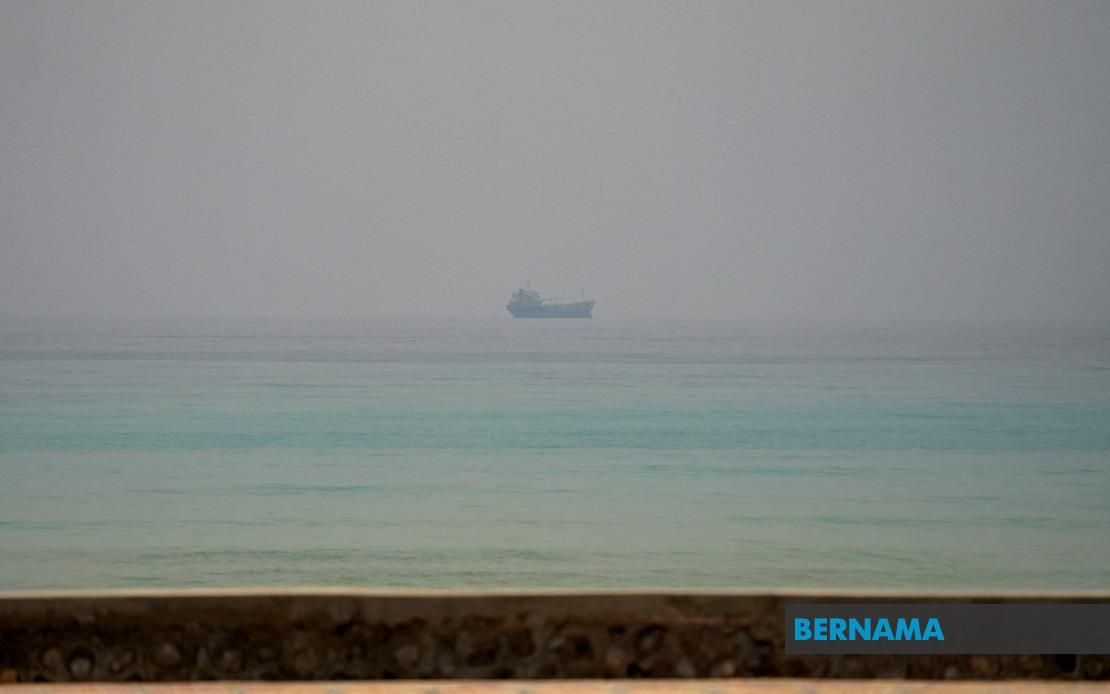
The maritime security situation in one of the world's most critical shipping corridors deteriorated sharply on Tuesday when three commercial oil tankers came under attack off the Omani coast, according to authorities in Muscat. The coordinated nature of the incidents, occurring within hours of each other across the same general region, underscores the volatile security environment that has emerged in recent weeks around the Strait of Hormuz, a waterway through which roughly one-third of globally traded oil passes daily.
The first vessel to be struck was the Stolt Magnesium, which was targeted approximately 40 nautical miles off South Al Sharqiyah Governorate, positioning the incident outside Omani territorial waters. The strike triggered a fire that erupted in the ship's engine room, according to Oman's Maritime Security Centre (OMSC). Despite the severity of the incident, the vessel's 23-member crew was successfully evacuated by a nearby merchant ship with no reported fatalities, and the centre confirmed that all personnel were accounted for and in stable condition following rescue operations.
A second attack followed shortly after when the tanker Mombasa B sustained a direct strike approximately 8.5 nautical miles from the coast of Musandam Governorate. The impact damaged the vessel's propulsion systems, rendering it unable to maintain independent power and leaving it vulnerable in the contested waters. The ship's 21-member crew required evacuation, and medical personnel identified six sailors who had sustained injuries ranging from minor to serious. A Royal Navy of Oman patrol vessel was dispatched to monitor developments and provide security presence in the immediate aftermath.
The third incident involved the tanker Al Bahyah, which was struck roughly 9.6 nautical miles offshore from Musandam Governorate. The attack on this vessel proved more serious in terms of human casualties. Eighteen of the ship's crew were evacuated to safety, but search and rescue operations were initiated for three seafarers who went missing following the strike. The missing mariners remain unaccounted for as of reporting, with Omani naval assets continuing active search efforts across the waters where the vessel was attacked.
ADNOC Logistics & Services, the maritime operations subsidiary of Abu Dhabi National Oil Company, confirmed that two of the three tankers involved—Al Bahyah and Mombasa B—are part of their commercial fleet. The company's statement indicated that both vessels sustained strikes from projectiles while navigating through the Strait of Hormuz. The corporation also reported that in addition to the three crew members reported missing by Omani authorities, at least one seafarer was killed in the attacks, with several others suffering injuries. The discrepancy in casualty figures between different official sources suggests the full scale of the incident may still be emerging as investigations continue.
The geographic location of these attacks holds particular significance for regional and global trade. The Strait of Hormuz serves as the sole maritime route connecting the Persian Gulf to the Arabian Sea and the Indian Ocean beyond. Any disruption to shipping through this chokepoint creates immediate ripple effects across international energy markets and commerce, given the volume of petroleum products that transit these waters daily. The incidents therefore carry implications that extend far beyond the immediate humanitarian concern for the missing crew members.
These attacks represent an escalation in a pattern of maritime tensions that has intensified over recent months, coinciding with broader US-Iran strategic competition for influence and control over the vital waterway. The timing and coordination of the three separate strikes suggest a deliberate campaign rather than isolated incidents, though authorities have not yet publicly attributed responsibility. The incidents follow a period of heightened rhetoric between Washington and Tehran regarding freedom of navigation and regional security arrangements in the Gulf.
Oman's Foreign Ministry responded to the developments by issuing a formal statement emphasising the need for all parties to respect established international maritime law and protocols. The ministry called for the restoration and preservation of freedom of navigation through the Strait of Hormuz and stressed the paramount importance of ensuring safe passage for commercial vessels operating in the region. The government's measured language reflects Oman's historic role as a diplomatic intermediary in Gulf affairs, though the statement nonetheless signals serious concern about the security trajectory in contested waters.
For Malaysian and Southeast Asian readers, these events carry particular resonance given the region's dependence on stable maritime trade routes and energy supplies. Many Malaysian companies and investors have interests in shipping operations and petroleum commerce that traverse the Strait of Hormuz. Any extended disruption to traffic through this chokepoint would inevitably affect regional supply chains, increase transport insurance costs, and create upward pressure on energy prices affecting economies across Southeast Asia. The incidents therefore warrant close monitoring by Malaysian policymakers and business leaders who rely on open international waters for prosperity.
The missing crew members represent an immediate human tragedy, but the broader implications concern navigation safety and the viability of commercial maritime operations in the region. Insurance companies are likely to reassess risk premiums for vessels transiting the Strait of Hormuz, potentially increasing shipping costs for goods moving between Asia and Europe. The incidents also underscore the risks facing multinational maritime operators attempting to maintain normal commercial operations amid geopolitical tensions beyond their control.
The involvement of Omani authorities in search and rescue operations demonstrates the regional response capabilities when incidents occur, though the missing persons highlight the challenges of locating individuals in vast ocean territories. The Royal Navy of Oman's deployment to monitor the situation indicates government commitment to maintaining security presence, though questions persist about the adequacy of resources available to prevent future incidents in such a large maritime zone. The incidents may prompt discussions among regional governments about enhanced coordination mechanisms for maritime security and information sharing during crisis situations.
As investigations proceed and search efforts continue for the missing crew members, shipping companies operating in the region face decisions about route modifications, enhanced security measures, and insurance arrangements. The cumulative effect of such incidents, even if they remain isolated in frequency, creates an atmosphere of uncertainty that can discourage commercial activity and increase the costs of international trade. Whether the situation stabilises or continues to deteriorate will depend partly on diplomatic efforts by regional and international stakeholders to de-escalate tensions and restore confidence in maritime security arrangements.

