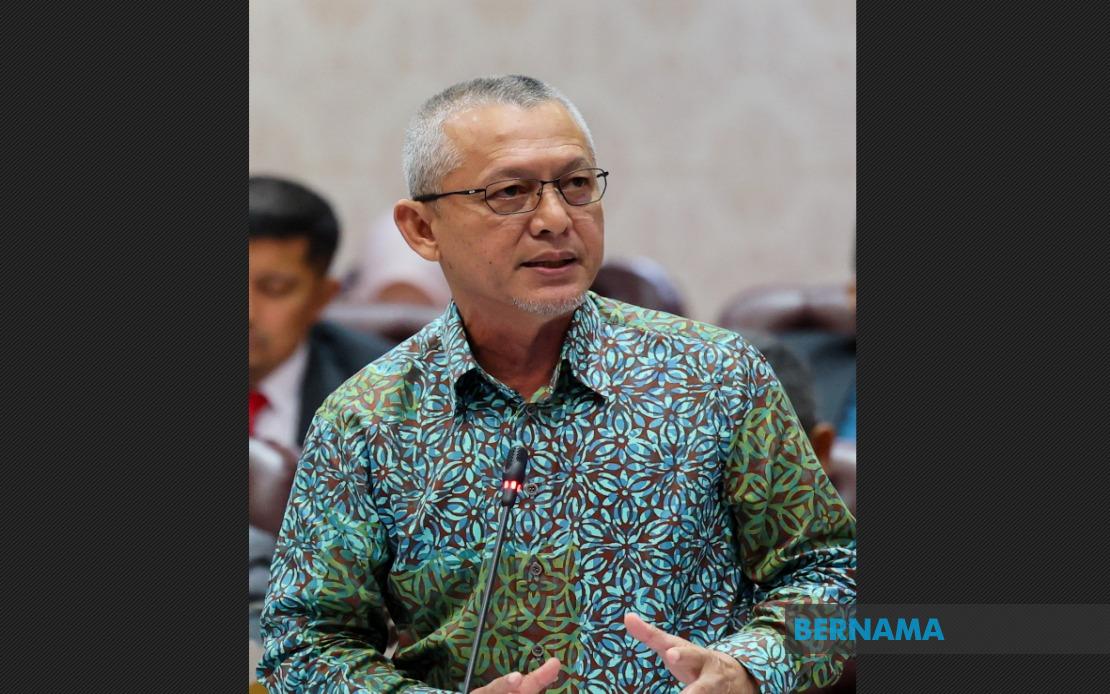
A significant reshuffle within Terengganu's Bersatu structure unfolded this week as the state party chief, Datuk Razali Idris, along with two state assemblymen, formally announced their departures from leadership positions. The resignations mark another shift in the party's regional hierarchy, though the three individuals have emphasised they maintain their membership status within Parti Pribumi Bersatu Malaysia.
Datuk Razali Idris, who also holds a seat on the Terengganu State Executive Council, confirmed that he submitted his resignation letter to Bersatu president Tan Sri Muhyiddin Yassin on July 16, relinquishing his role as state party chief. Despite the passage of several weeks, the central party leadership has yet to formally acknowledge or act upon his resignation request, creating an unusual administrative limbo. Razali further indicated his intention to step down as Marang division chief later in August, citing the need to complete outstanding administrative responsibilities before making the transition.
Alongside Razali's departure, Telemong state assemblyman Mohd Zawawi Ismail has vacated the position of Terengganu State Bersatu information chief, while Hulu Besut assemblyman Mohd Husaimi Hussin has relinquished his role as State Bersatu treasurer. Both individuals confirmed their respective resignations through separate statements and indicated they would formally notify the central Bersatu leadership of their decisions. The timing of these coordinated departures suggests a deliberate move rather than isolated decisions.
The three departing leaders have taken pains to clarify that their resignation from party positions does not constitute a departure from Bersatu itself. This distinction carries particular weight in Malaysian politics, where state and federal party structures maintain their own hierarchies and positions. By maintaining their membership, the three individuals preserve their options for future involvement while signalling their dissatisfaction with current party direction or leadership at the state level.
The resignations reflect broader dynamics within Bersatu that have manifested across multiple states. Since the party's formation, it has experienced periodic internal friction as different factions compete for influence and resources. Terengganu, as a state with significant Bersatu representation, represents an important barometer of party stability. The departure of a state chief suggests either internal disputes over party direction or disagreement with decisions made by national leadership under Muhyiddin's stewardship.
For Malaysian observers, the developments in Terengganu carry implications beyond the state level. Bersatu serves as a coalition partner in the federal government structure and maintains strategic significance in Peninsular Malaysian politics. Any indication of internal discord within the party can affect broader coalition dynamics and the stability of government formation at both state and federal levels. The party's ability to retain and energise its grassroots leadership directly impacts its electoral competitiveness in future contests.
The delay in responding to Razali's resignation letter raises questions about the efficiency of Bersatu's internal administrative processes. In a modern political party, such requests typically receive formal acknowledgement and decision within days rather than weeks. The silence from party headquarters may reflect deliberation about how to handle the resignation or simply bureaucratic inertia, either scenario raising concerns about organisational discipline and responsiveness.
Terengganu's political landscape has undergone considerable transformation in recent years, with different parties gaining and losing ground in successive electoral cycles. Bersatu's standing within the state depends significantly on effective state leadership that can mobilise party members and maintain organisational cohesion. The loss of three state-level officials simultaneously, regardless of their individual stature, represents a challenge to the party's institutional continuity and member confidence in state management.
The resignations also merit consideration within the context of Malaysia's broader political volatility. State-level political disruptions can cascade into federal-level complications when they involve parties participating in national coalitions. While these three individuals have maintained formal party membership, their departure from leadership roles may signal underlying frustrations that could potentially affect party unity or member morale in other contexts.
Moving forward, Bersatu must address the leadership vacuum created by these resignations and determine succession arrangements that restore confidence among remaining party structures in Terengganu. The party's national leadership will need to articulate a clear message regarding state operations and party direction to prevent further defections or dissatisfaction. How effectively Muhyiddin's administration manages this transition will test the party's resilience and its capacity to retain key figures in competitive state environments.
The outcome of these resignations extends beyond internal party mechanics to influence perceptions of Bersatu's stability and governance capabilities. Political parties in Malaysia depend upon demonstrated organisational competence and member satisfaction to sustain electoral performance. While the departure of these three leaders may resolve immediate internal tensions, it simultaneously highlights structural challenges within the party that warrant broader organisational reassessment and strategic repositioning.

