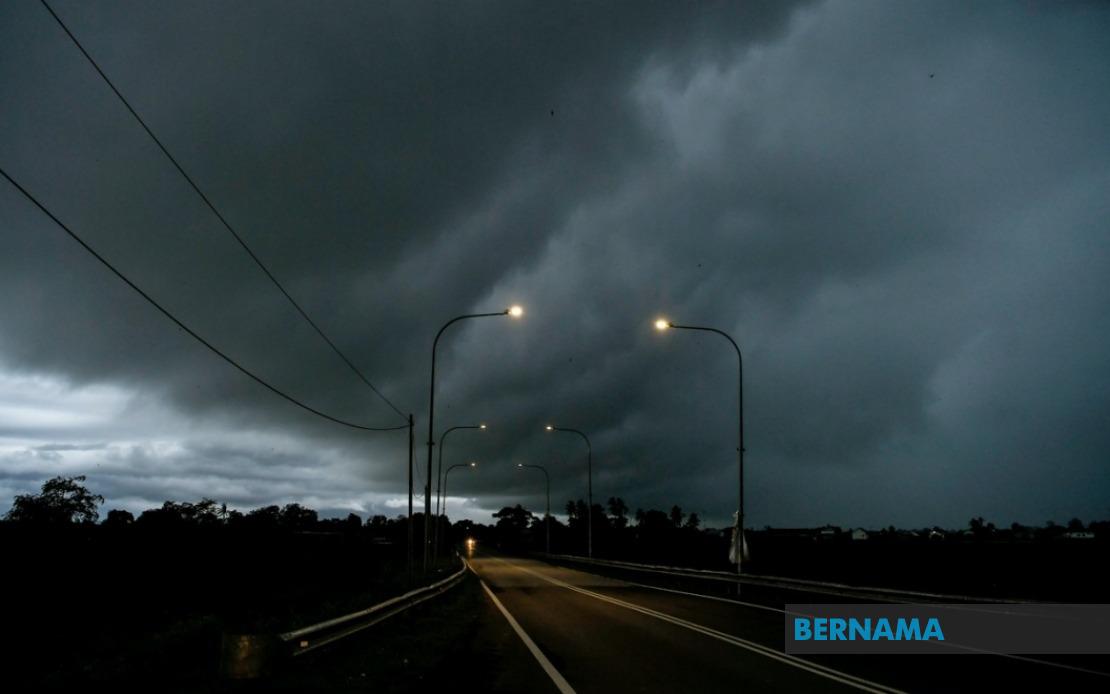
The Malaysian Meteorological Department (MetMalaysia) has activated severe weather alerts across swathes of Peninsular Malaysia, warning the public of imminent thunderstorms accompanied by downpours and gusty winds. The advisory, issued on August 18, remains in effect until 12 pm on the same day for the most severely affected districts, with some areas experiencing an extended alert period until 1 pm.
Residents in Kedah face heightened weather risks in the Kuala Muda and Yan districts, where meteorological officials anticipate the convergence of atmospheric conditions conducive to violent thunderstorm development. The entire state of Penang has been placed under the alert, reflecting the vulnerability of the peninsula's northwestern region to sudden atmospheric instability during this period of the year.
In Selangor, one of Malaysia's most densely populated states, the warning encompasses a substantial stretch of territory. The affected zones include Klang, the industrial and residential hub situated near the coast; Kuala Langat, a predominantly agricultural area; Sepang, which hosts critical transport infrastructure; Kuala Selangor; Petaling, home to numerous residential communities; Sabak Bernam; and Gombak, an important urban and suburban district. The breadth of the warning across Selangor underscores the scale of the meteorological disturbance expected to traverse the region.
Federal Territories of Kuala Lumpur and Putrajaya have similarly come under the weather alert, potentially affecting millions of residents and disrupting daily activities in Malaysia's administrative and commercial heartland. The capital region's infrastructure, including transportation networks and outdoor public spaces, may experience disruptions as the thunderstorms pass through.
Perak, spanning a significant portion of Peninsular Malaysia's western coast and interior, faces divided alert schedules reflecting the anticipated movement and timing of the severe weather system. The northern districts of Kerian, Larut, Matang and Selama, along with the coastal and central zones of Manjung, Perak Tengah, and Hilir Perak, remain under warning until 1 pm, suggesting meteorologists anticipate the weather system will linger longer in these areas compared to other regions.
Thunderstorms of this magnitude pose substantial risks to public safety and infrastructure. Heavy rainfall within short time spans can overwhelm drainage systems, particularly in urban areas and low-lying regions, potentially causing flash flooding that disrupts transportation and threatens properties. Strong winds accompanying such storms can damage structures, uproot trees, and create hazardous conditions for outdoor activities and travel.
The timing of these warnings during business hours and throughout the morning commute period carries particular significance for Malaysia's workforce and students. Commuters using public transportation or personal vehicles may encounter delays or safety challenges as visibility diminishes and road conditions deteriorate. Schools and workplaces in affected areas may need to exercise caution regarding outdoor activities and assembly gatherings.
MetMalaysia's proactive alert system represents the department's commitment to providing timely information enabling residents and authorities to take protective measures. Such warnings allow emergency services to prepare for potential incidents, utility companies to ready repair crews, and the public to adjust plans and secure properties against potential damage.
The geographical spread of this alert across multiple states and federal territories indicates a weather pattern of regional significance rather than localized disturbance. The convergence of moisture-laden air masses and atmospheric instability affecting such a broad area reflects the dynamic weather systems characterizing Malaysia's tropical maritime climate, particularly during seasons transitional between monsoons.
Residents in affected areas are typically advised to avoid unnecessary outdoor activities during the warning period, secure loose items that might be affected by strong winds, and remain alert to developing conditions. Those in flood-prone areas should exercise heightened vigilance and be prepared to relocate if water levels rise unexpectedly. Motorists should reduce speed and increase following distances, whilst drivers of heavy vehicles should exercise particular caution given the impact of strong crosswinds on vehicle stability.
The issuance of such widespread alerts reflects meteorological data and predictive modeling that MetMalaysia employs to assess developing weather threats. While thunderstorms are a normal occurrence in Malaysia's tropical climate, the department's role in identifying potentially dangerous conditions enables communities and authorities to minimize risks and respond effectively to emergencies.

