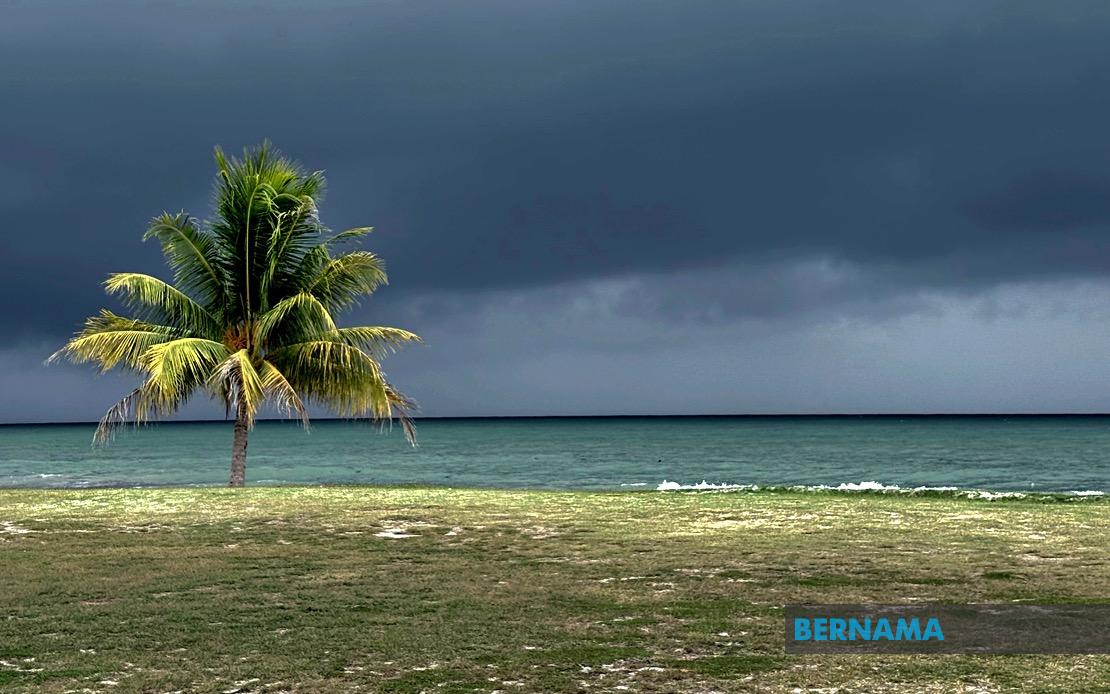
Residents across large sections of Malaysia should remain vigilant for dangerous weather conditions developing over the coming hours, according to an alert issued by the Malaysian Meteorological Department on June 25. The forecasting body has warned of thunderstorms, heavy rainfall and strong winds expected to sweep through multiple districts in both Peninsular Malaysia and East Malaysia, with conditions persisting until 11 pm today.
The affected areas in Peninsular Malaysia span the east coast region, with several districts in Kelantan facing the brunt of the weather system. The department specifically flagged Kota Bharu, Bachok, Machang and Pasir Puteh as zones where residents should expect significant rainfall and potential flash flooding. The warning extends to Kemaman in neighbouring Terengganu, which sits along a crucial stretch of the east coast highway and serves as an important commercial hub connecting northern and southern regions.
Pahang, Malaysia's largest state by land area, has also been placed on alert due to the convergence of weather systems. The interior and central portions of the state, including the towns of Jerantut, Temerloh and Maran, are expected to experience adverse conditions. Kuantan, the state capital and a major port city on the peninsula's east coast, rounds out the list of Pahang districts requiring heightened awareness. The concentration of alerts along the east coast reflects a developing weather pattern typical of the region's afternoon convective cycles.
In Sarawak, the warning extends to Limbang division, with particular emphasis on the Lawas area in the northernmost reaches of the state. Lawas, bordering Brunei, sits in a geographical position where it frequently experiences enhanced weather activity due to orographic effects and proximity to maritime moisture sources. The isolated nature of some communities in this region means residents should exercise caution regarding water crossings and travel along rural routes.
Sabah's warning encompasses a notably broad geographical spread across the state's varied terrain. The Interior division, covering Nabawan and Keningau, represents one of Sabah's most mountainous and least densely populated zones. These districts are prone to rapid drainage issues given their elevated topography and thick forest cover. The West Coast division faces separate alerts for Ranau, a district known for its substantial agriculture sector and vulnerable to landslide risks during heavy rainfall events. Additionally, Sandakan division on the east coast faces warnings affecting Tongod, Telupid, Beluran and Sandakan town itself, representing critical population centers and economic zones in the state's northeast.
The convergence of thunderstorms and heavy rainfall across such a wide geographic area suggests a significant weather system generating multiple isolated convective cells across the region. For Malaysian readers unfamiliar with meteorological terminology, this essentially means numerous intense rain clouds are developing independently across the country, each capable of producing localized but intense rainfall rather than a single unified storm system. This type of activity is characteristic of the afternoon transition period in Malaysia's tropical climate, where heating of the land surface triggers instability in the atmosphere above.
MetMalaysia's advisory carries particular significance for residents in flood-prone areas, which unfortunately encompass significant portions of the affected districts. Communities in low-lying areas near river systems, particularly those in Kelantan and Terengganu, should monitor water levels vigilantly given the historical flooding patterns in these regions. The combination of heavy rainfall with the strong wind component of these thunderstorms also raises concerns about potential structural damage, fallen trees, and disruption to power infrastructure.
Travelers planning journeys across the affected states should exercise heightened caution, particularly on the East Coast Expressway which traverses several of the warned districts. The sudden visibility reduction, wet road surfaces, and potential accumulation of water on highways during tropical thunderstorms present genuine hazards for motorists. Commercial traffic operators and public transport services may experience delays as drivers appropriately reduce speeds in adverse conditions.
The evening timeframe indicated by MetMalaysia suggests these conditions are expected to develop or intensify during the late afternoon and early evening hours, which aligns with typical diurnal heating patterns in the region. However, residents should remain alert to the possibility of conditions extending beyond the stated 11 pm deadline, as weather systems often prove unpredictable, particularly in Malaysia's complex terrain where mountains and coastal features influence local atmospheric behavior in nuanced ways.
For those in the affected areas, standard severe weather precautions apply: securing loose outdoor items, ensuring drainage systems are clear, avoiding unnecessary travel during peak storm activity, and staying tuned to local weather updates. The distributed nature of the warning across both Malaysian peninsula and Borneo island reflects the broad reach of the weather system developing across the nation.

