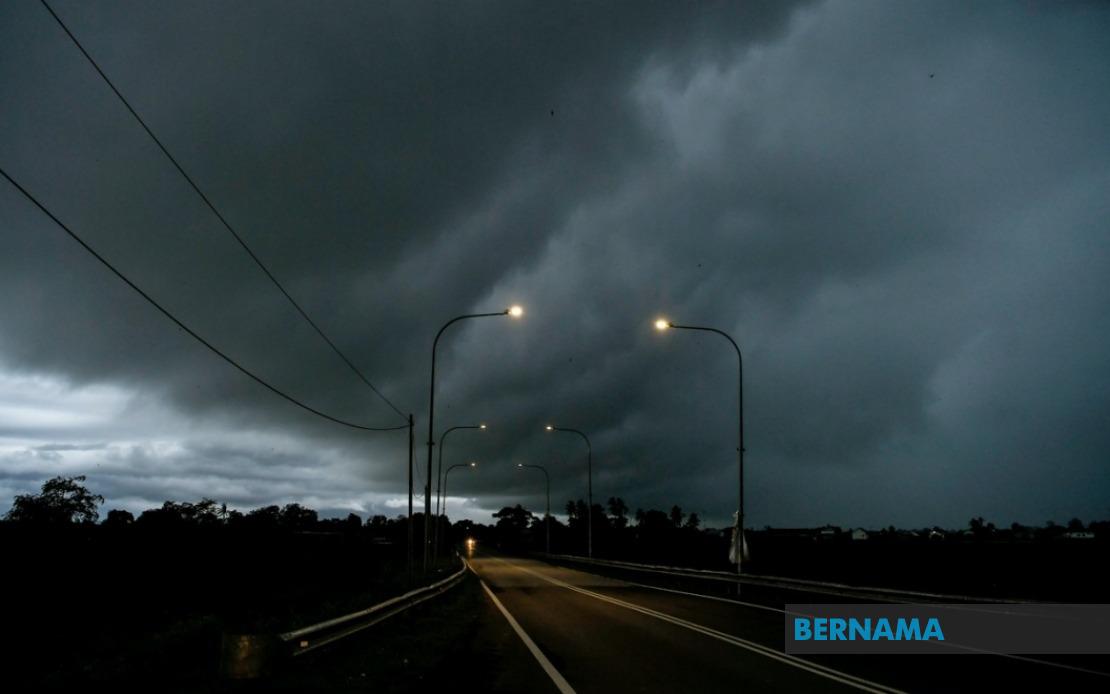
Malaysia's meteorological authority has issued a weather alert cautioning residents across five states to prepare for a stretch of dangerous atmospheric conditions characterised by intense thunderstorms, heavy precipitation, and forceful wind gusts expected to persist until noon today. The Malaysian Meteorological Department released the advisory in a statement outlining the geographic scope and nature of the anticipated adverse weather system moving across the peninsula.
The warning encompasses multiple districts across Kedah, where residents in Kota Setar, Pokok Sena, Yan and Pendang have been put on alert. The peninsula's western flank in Perak will experience similar conditions affecting Manjung, Bagan Datuk and Hilir Perak, while the central region of Negeri Sembilan faces threats to Rembau and Tampin. The alert also extends to Melaka, and sweeps across the southern state of Johor covering a broad expanse including Tangkak, Muar, Batu Pahat, Pontian, Kulai and Johor Bahru.
Such meteorological warnings carry significant implications for Malaysia's densely populated areas and transportation networks. The affected zones encompass major urban centres and industrial hubs that support critical commerce and daily movement of people. Johor Bahru, one of the nation's largest cities and a crucial gateway to Singapore, faces disruptions during peak business hours. Similarly, Melaka's tourism and port operations may experience delays, whilst Perak's industrial sectors require precautions against weather-related stoppages.
Thunderstorms of this magnitude present multiple hazards beyond rainfall alone. The combination of electrical discharges from cloud systems, precipitation rates that can overwhelm drainage infrastructure, and strong surface winds creates a confluence of risks. Flash flooding remains a primary concern in low-lying districts and areas with poor water management, particularly Johor's river systems and Melaka's coastal plains. Strong winds can topple unsecured structures, damage power lines and disrupt telecommunications networks, potentially isolating communities temporarily.
The timing of this weather system during daylight hours through noon creates particular challenges for commuters and workers. Morning rush-hour traffic may face hazardous driving conditions, with reduced visibility and slippery road surfaces elevating accident risks across highways connecting these regions. Businesses operating in affected areas should consider safety protocols for workers, whilst educational institutions may need to assess whether outdoor activities can proceed safely.
Public authorities in the affected states have been implicitly tasked with heightened readiness. Drainage systems require monitoring to prevent overflow, emergency services must remain on standby for rescue operations, and utility companies need contingency plans for potential infrastructure damage. Local governments typically activate emergency operations centres during such warnings to coordinate response efforts and maintain communication with residents.
MetMalaysia's recommendation that affected communities remain vigilant and source the latest information through official channels underscores the importance of real-time weather updates in mitigating risks. The department operates multiple communication platforms including its website, mobile applications, and social media accounts where residents can access updated alerts, radar imagery, and detailed forecasts. This multi-channel approach ensures that warnings reach diverse demographic groups including those with limited technology access.
The geographic distribution of this warning across peninsular Malaysia reflects broader atmospheric patterns typical of the Southwest Monsoon season, though such intense episodes can develop unpredictably. The concentration of warnings across the western and southern corridors suggests a specific weather system traversing these regions, with predictable timing providing a narrow window for preparation and protective action. Communities in these areas should undertake standard precautions including securing loose outdoor items, avoiding unnecessary travel, and ensuring emergency supplies are accessible.
For Malaysian business sectors sensitive to weather disruptions, including port operations, construction activities and agriculture, such warnings necessitate rapid operational adjustments. Supply chain coordination becomes critical when major transportation corridors experience weather-induced slowdowns, potentially affecting suppliers and customers across the broader Southeast Asian region who depend on Malaysian transshipment points and services.
The meteorological department's issuance of time-bound warnings reflects advances in forecasting technology and regional monitoring infrastructure, enabling authorities to provide specific geographic guidance rather than blanket national alerts. This precision improves public trust in institutional warnings whilst reducing unnecessary anxiety in unaffected areas. However, the relatively short time horizon until noon emphasises the importance of pre-positioned preparedness rather than post-warning reactive measures for maximum protective benefit.

