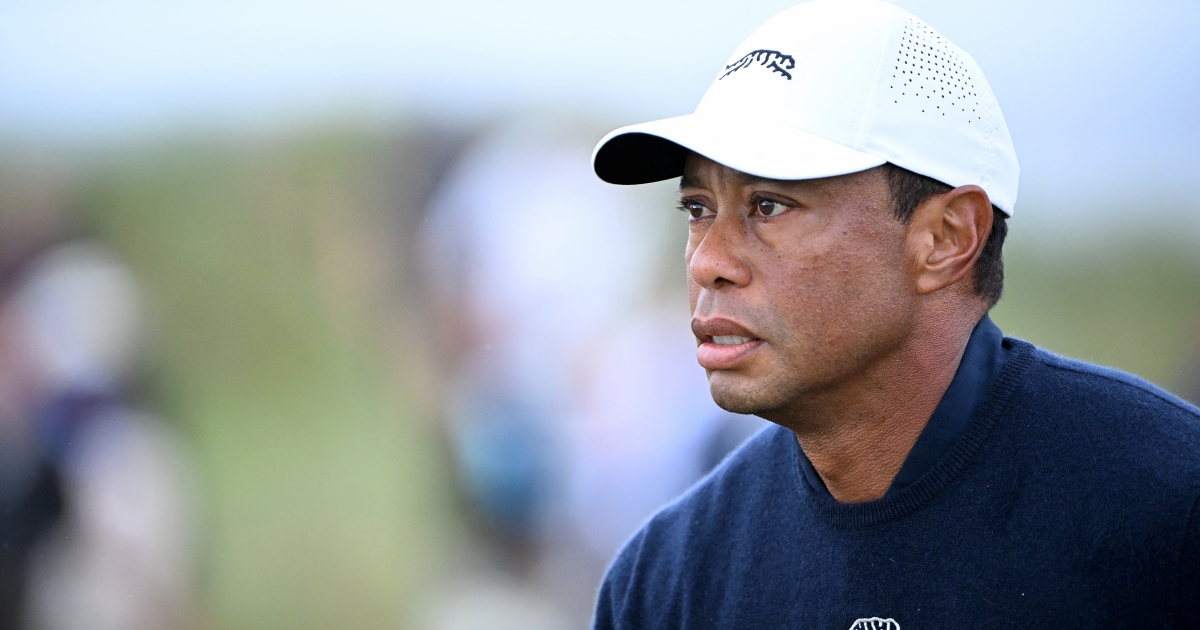
Tiger Woods, one of sport's most recognizable figures, will step into a Florida courtroom for the first time in person to address charges stemming from his March 2017 vehicle incident, marking a significant moment in a legal case that has stretched across multiple years. The appearance comes after several postponements have pushed back the proceedings, with Woods previously handling matters through his legal representatives while continuing to compete professionally on the golf circuit.
The incident in question occurred on March 27, 2017, when Woods was discovered asleep behind the wheel of his Mercedes-Benz in Jupiter, Florida. Law enforcement responded to the scene and subsequently charged the 14-time major champion with driving under the influence, a development that sent shockwaves through the sporting world given his iconic status and influence within professional golf. The arrest marked a difficult period for the athlete, who had already faced significant scrutiny related to personal matters in preceding years.
Woods' legal team has navigated a complex procedural landscape to reach this juncture, with the case experiencing multiple continuances that extended well beyond initial expectations. These delays reflected various factors inherent in the judicial process, including administrative scheduling conflicts and the need for comprehensive preparation by both prosecution and defense. The repeated postponements had allowed the matter to recede from immediate public consciousness, though it remained unresolved on the legal docket.
The timing of Woods' first personal appearance carries particular relevance given his remarkable return to competitive professional golf. Following spinal fusion surgery in 2017, many observers questioned whether he would ever compete at elite levels again. His triumphant victory at the Masters Tournament in 2019 represented one of sport's greatest comebacks, demonstrating both physical recovery and mental resilience. Subsequently, Woods has continued to participate in professional tournaments, though managing various physical ailments alongside his legal obligations.
From a Malaysian and Southeast Asian perspective, this case underscores how elite athletes face accountability within the judicial system regardless of their global stature or commercial value. Woods' situation illustrates that sporting success, no matter how extraordinary, does not exempt individuals from legal consequences. The drawn-out nature of proceedings also highlights procedural differences between American courts and those in other jurisdictions, where some cases might progress more expeditiously.
The legal threshold for DUI charges in Florida involves demonstrating impairment through blood alcohol content measurements or behavioral observations, or both. Woods' defense strategy and the prosecution's evidence presentation will ultimately determine the outcome when proceedings advance. The case has attracted considerable media attention throughout its duration, particularly given Woods' prominence and his subsequent professional accomplishments.
Woods' legal representatives have maintained their preparation for this stage while the golfer has continued his professional activities. The relationship between celebrity athletes and the legal system remains a subject of public interest, with observers examining whether prominent figures receive differential treatment compared to ordinary citizens. In Woods' case, despite his resources and legal team, the case has progressed through standard judicial channels, suggesting no preferential acceleration.
The appearance also reflects broader cultural shifts regarding accountability and consequences for public figures. Major sporting organizations and sponsors have increasingly distanced themselves from athletes facing legal difficulties, demonstrating changed expectations around conduct and responsibility. Woods has navigated this landscape while attempting to rehabilitate his public image through athletic achievement and measured public engagement.
For golfers and sports enthusiasts across Malaysia and the region, Woods remains a towering figure whose influence extends beyond competitive results. His technical innovations in golf, media presence, and business ventures have shaped the sport's landscape for decades. However, this legal matter represents a reminder that even transcendent talent operates within social and legal frameworks applicable to all individuals.
The court appearance marks a pivotal moment in resolving a matter that has lingered unresolved for years. Whatever outcome emerges from judicial proceedings, the case demonstrates how legal systems maintain independent authority even when involving globally celebrated athletes. Woods' willingness to appear personally rather than continuing through representation may signal confidence in his legal position or reflect judicial requirements for resolution.
Looking forward, this appearance potentially represents a step toward concluding a chapter that has remained open throughout Woods' competitive resurgence. The ability to move past unresolved legal matters could provide psychological closure and allow continued focus on professional pursuits. For those following his trajectory across Asia and beyond, this development underscores how personal circumstances intersect with athletic accomplishment in complex ways.

