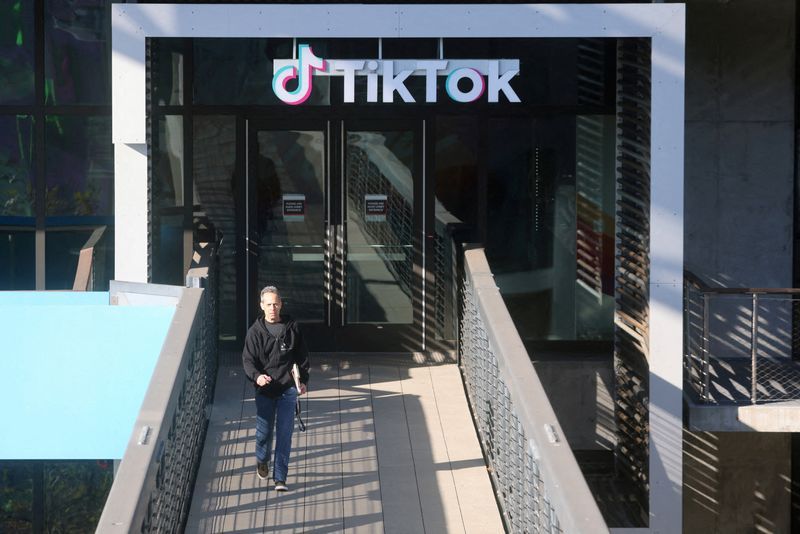
TikTok has agreed in principle to settle a lawsuit filed by a minor who accused the platform of damaging his mental health, according to Morgan & Morgan, the law firm representing the plaintiff. The settlement announcement on Tuesday comes as courts increasingly confront cases linking social media usage to youth psychological harm, a pattern that has gained significant traction across the United States and is beginning to draw regulatory attention in other jurisdictions, including Southeast Asia.
While the settlement terms remain unconfirmed and have yet to be formally finalised, the agreement marks a significant development in a broader wave of litigation targeting major social media platforms. The case was brought by a 15-year-old identified as R.K.C., who named four technology giants as defendants: Google's YouTube, Meta's Instagram, Snap Inc's Snapchat, and ByteDance's TikTok. ByteDance, the Chinese parent company that owns TikTok, has faced mounting legal and regulatory pressure globally, particularly in Western markets where data privacy and youth protection concerns have intensified.
The timing of the TikTok settlement is strategically significant, occurring just as California state courts prepare for what is anticipated to be the second full trial examining social media's culpability in the youth mental health crisis. YouTube, another defendant in the original complaint, had already reached its own settlement in June, suggesting that major platforms may prefer negotiated resolutions over protracted litigation that could result in larger damages awards and unfavourable legal precedents. This settlement strategy reflects the financial and reputational calculus these companies face when confronted with evidence of harm to minors.
The remaining defendants—Instagram and Snapchat—are scheduled to proceed to trial in July, indicating that the litigation momentum continues despite the TikTok and YouTube settlements. These upcoming trials will likely provide the first major judicial examination of the mechanisms through which social media platforms engineer user engagement, particularly among adolescents, and the psychological consequences that follow. The legal outcomes could reshape how platforms operate in the United States and influence regulatory frameworks internationally.
R.K.C., a minor from Florida, alleges in court filings that his social media addiction began when he was approximately eight years old—an age at which many children lack the cognitive development to resist sophisticated algorithmic manipulation. According to the legal documentation, his excessive platform usage resulted in severe sleep deprivation, clinical depression, and anxiety disorders. These claims reflect a growing body of medical and psychological research indicating that algorithmic content feeds are deliberately designed to maximise user engagement through mechanisms that exploit adolescent neurological vulnerabilities, particularly the developing reward systems in teenage brains.
The case underscores a critical tension in the digital economy: while social media platforms generate substantial advertising revenue by maximising user engagement time, particularly among younger demographics who represent valuable advertising targets, this business model may systematically harm the mental health of the very users generating that value. For Malaysian and Southeast Asian readers, this legal trajectory is particularly relevant given the region's high social media penetration rates and the substantial youth populations across countries like Indonesia, the Philippines, and Thailand who are exposed to these same platforms and engagement algorithms.
The settlement also highlights evolving legal strategies in tech litigation. Rather than contesting claims outright, major platforms appear increasingly willing to settle individual cases while maintaining that their platforms are not inherently harmful when used appropriately. This approach allows companies to avoid jury trials where sympathetic minor plaintiffs can testify about genuine suffering, while simultaneously preserving their ability to argue that responsibility for addiction lies with users and parents rather than platform design.
From a regulatory perspective, these settlements and upcoming trials are likely to influence how policymakers in various jurisdictions approach social media governance. Several countries and regions are currently drafting or considering legislation that would impose stricter requirements on platforms regarding youth protection, data privacy, and algorithmic transparency. The outcomes of these California cases may provide legal and factual support for regulators seeking to implement more stringent rules governing how platforms can target and engage young users.
The broader context of this litigation reflects a fundamental shift in how courts and regulators evaluate technology companies' responsibility for user harm. Unlike earlier internet litigation where platforms were often shielded from liability by broad immunity provisions, these youth mental health cases represent a narrower targeting of specific design features and business practices that demonstrably harm identifiable groups of users. This distinction is crucial because it suggests courts may be willing to hold platforms accountable for foreseeable harms resulting from specific algorithmic or design choices, even if they stop short of imposing blanket liability for all user-generated content or user behaviour.
The implications extend beyond individual settlements or verdicts. As these cases proceed through California courts and potentially appellate levels, they will establish precedents that could encourage similar litigation in other states and jurisdictions. For young people across Southeast Asia who represent some of the world's most engaged social media users, the outcomes of these American cases may ultimately influence the operating parameters of platforms they use daily, potentially leading to design modifications that prioritise user wellbeing over engagement metrics.

