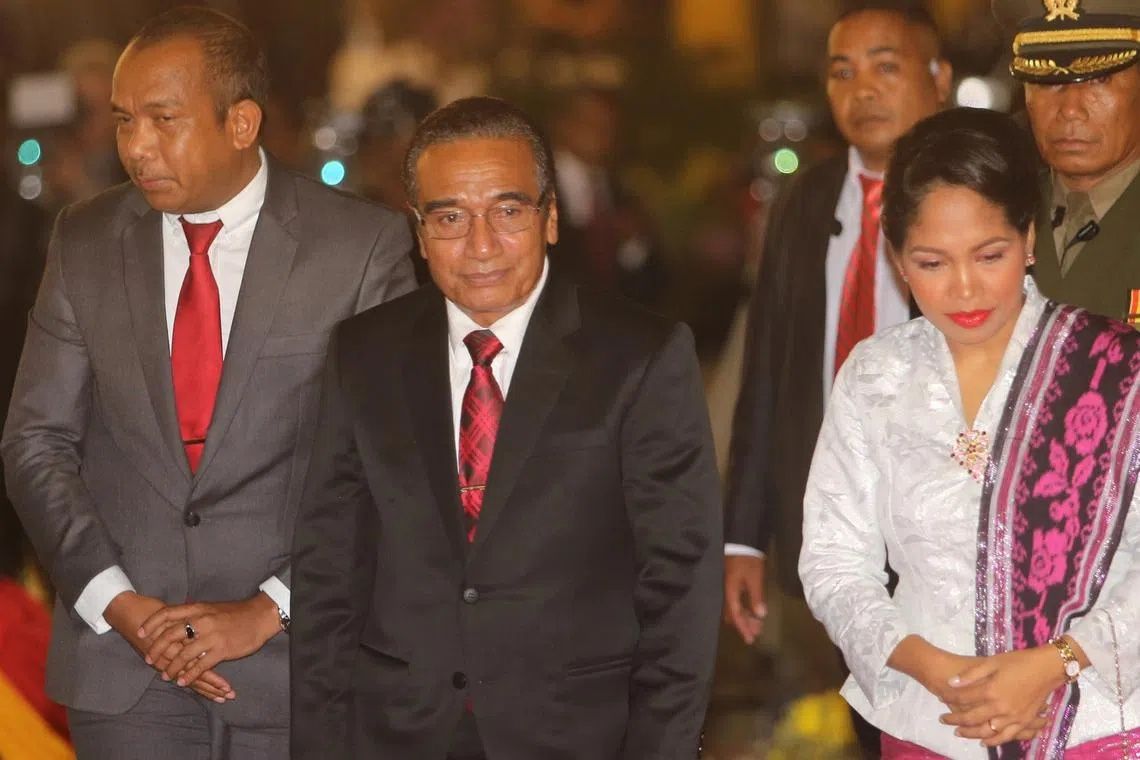
Timor-Leste entered a period of national mourning on June 22 after Francisco "Lu-Olo" Guterres, the Southeast Asian nation's former president and towering figure in its independence struggle, passed away at a Malaysian hospital over the weekend at age 71. The declaration marks a rare moment of political unity in the young democracy, as leaders across the spectrum acknowledged the profound impact Guterres left on the small island nation's trajectory from colonial rule through decades of armed resistance to statehood.
Guterres held the presidency from 2017 to 2022, representing the culmination of a lifetime spent in the frontlines of Timor-Leste's most defining struggles. His career trajectory embodied the nation's own journey: born into modest circumstances, he rose through the ranks of the independence movement during Indonesia's brutal 24-year occupation, which ended with the territory's formal independence in 2002. Few political figures in the region carry the moral weight and historical authenticity that Guterres commanded, having witnessed and participated in the formative events that established his country's sovereignty.
Government protocols immediately reflected the significance of his passing. State institutions have lowered flags to half-mast across all public buildings, diplomatic missions, and consulates both domestically and abroad. This ceremonial gesture, standard for heads of state funerals, underscores how deeply embedded Guterres remains in the national consciousness. His brother Domingos Guterres confirmed that the former president's remains would return to Dili on Tuesday, with final funeral arrangements still being finalised by the family.
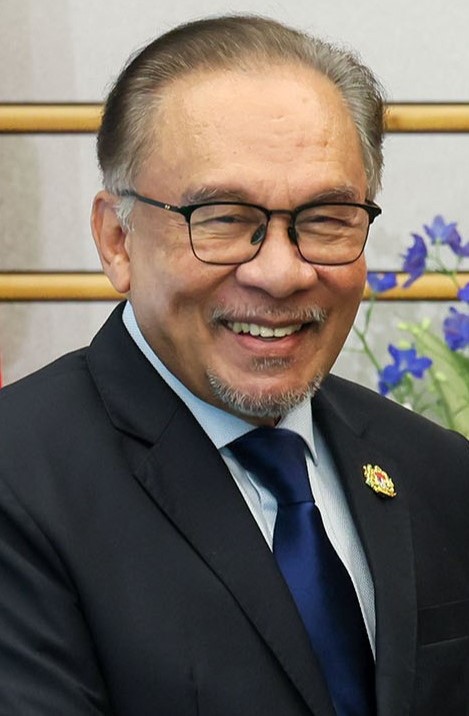
The circumstances of his death carry particular resonance for Malaysia. That Guterres spent his final days in a Malaysian hospital reflects the close regional ties between Timor-Leste and its neighbours, including Malaysia. Prime Minister Datuk Seri Anwar Ibrahim issued a statement expressing personal sadness at the loss, framing Guterres not merely as a foreign leader but as a figure worthy of Malaysia's collective respect. Anwar's words—that "Malaysia mourns his passing alongside the Timorese people" and that the former president "will be remembered here with respect and affection"—suggest the high regard in which Guterres was held across Southeast Asia.
Political transitions in Timor-Leste can be contentious affairs, yet the current President Jose Ramos-Horta, who defeated Guterres in the 2022 presidential runoff, moved quickly to honour his predecessor's legacy. Despite their electoral contest just two years earlier, Ramos-Horta publicly characterised Guterres as a "great patriot," language that transcends partisan boundaries. This measured response signals that even among political rivals, recognition of Guterres's fundamental contributions to national development remains unquestioned. The government extended formal condolences to Guterres's immediate family, the Fretilin party that he once led, and to the broader Timorese populace.
Guterres's ascent to the presidency reflected the democratic legitimacy he commanded. In the 2017 election, he secured more than 57 percent of the vote, sufficient to claim the presidency in his first electoral contest. This substantial mandate underscored his popularity across demographic and geographic lines within Timor-Leste. However, when he sought reelection five years later, voters opted for Ramos-Horta in a runoff contest. The shift demonstrated the competitive nature of democratic politics in the nation, yet neither outcome diminished Guterres's stature as a foundational figure.
The Fretilin party, which Guterres previously led, represents another crucial dimension of his political identity. As a liberation movement that successfully shepherded Timor-Leste through the transition from occupation to independence and then through democratic consolidation, Fretilin carries enormous symbolic weight. Guterres's stewardship of this organization during critical junctures in the nation's development adds another layer to his historical significance. The party's current members are undoubtedly processing their grief not only as citizens but as colleagues within an organization that Guterres shaped.
The family's request for privacy, while expressed in measured tones, reflects the intensely personal nature of loss even for public figures. Despite Guterres's towering public persona and decades spent in the national spotlight, he was simultaneously a parent, sibling, and husband navigating profound bereavement. The family statement requesting that supporters "respect the family's privacy at this difficult time" while acknowledging the broader community's desire to "pay tribute to his memory, his legacy, and his dedication to the Timorese people" attempts to balance these competing dimensions of grief.
For Malaysian observers and policymakers, Guterres's passing represents the eclipse of a generation of Southeast Asian independence leaders. These figures, who fought against colonial and foreign occupation during the Cold War era, represent a particular brand of political legitimacy rooted in existential struggle rather than administrative competence alone. As Timor-Leste navigates its second and third decades of independence, the nation must now process historical memory and leadership succession without the physical presence of someone who embodied its foundational mythology.
The week-long mourning period will provide space for Timor-Leste to collectively process its loss and reflect on Guterres's multifaceted contributions to national development. Beyond the ceremonial dimensions, his death prompts examination of how the nation memorialises its independence era and transmits that historical consciousness to younger generations who did not experience occupation or armed struggle. Guterres's legacy will likely extend well beyond the formal mourning period, influencing how Timor-Leste understands its own identity and position within regional geopolitics.