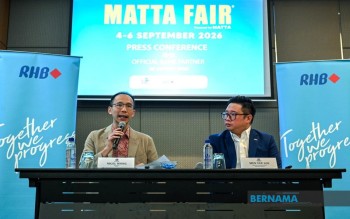
The Malaysian travel and tourism sector is preparing its case for the 2027 budget, with industry leaders seeking a package of financial and policy reforms designed to energise overseas promotional campaigns and accelerate visitor arrivals. The Malaysian Association of Tour and Travel Agents (MATTA) has outlined its priorities to the government ahead of the Finance Minister's scheduled budget presentation on October 9, placing particular emphasis on tax relief measures that would help tour operators expand their international marketing reach.
MATTA president Nigel Wong articulated the industry's central argument: that enhanced tax deductions for tour operators represent a cost-effective lever for government policy. By allowing businesses to deduct greater expenses from their taxable income, the association contends that operators would have more financial flexibility to mount aggressive promotional campaigns in key overseas markets. This approach would effectively channel private sector resources into national tourism objectives without requiring proportional increases in government spending, creating what Wong frames as a mutually beneficial arrangement during the Visit Malaysia 2026-2027 campaign.
The Visit Malaysia initiative represents a two-year push to position the country as a premier regional and global destination, and tour operators argue they play an essential role in achieving the targets embedded in this campaign. International visitor numbers depend heavily on the visibility and attractiveness of Malaysia in foreign markets, a function that tour operators accomplish through trade shows, media partnerships, online advertising, and relationship-building with inbound travel agents abroad. Current tax structures, according to MATTA's perspective, insufficiently recognise this contribution and inadvertently penalise companies for investing in promotion that ultimately benefits the nation's tourism revenue and foreign exchange earnings.
Beyond taxation, Wong emphasised the urgency of physical infrastructure improvements across Malaysia's heritage and natural attractions. He highlighted the refurbishment of the Sultan Abdul Samad Building as an example of how government investment in iconic structures can yield tangible tourism dividends, transforming historical landmarks into internationally recognisable symbols that feature in travel marketing and social media. The association contends that numerous other heritage and historical buildings throughout the country remain underutilised or poorly maintained, representing missed opportunities to create compelling visitor experiences and strengthen Malaysia's cultural tourism brand.
Wong's infrastructure argument extends to municipal and urban planning domains often overlooked in tourism policy discussions. He stressed the importance of municipal councils taking greater responsibility for maintaining safe, accessible, and walkable urban environments. This emphasis reflects a broader shift in travel industry thinking, where the quality of street-level experiences—cleanliness, public safety, pedestrian infrastructure, and hospitality—increasingly influences tourist satisfaction and destination reputation. A traveller's impression of a city depends not only on major attractions but on daily interactions with public spaces, local transport, and everyday amenities. Poor urban maintenance can undermine investments in heritage buildings and natural sites, while well-managed cities create the positive overall impressions that generate repeat visitation and favourable word-of-mouth recommendations.
The call for a coordinated whole-of-tourism approach reflects recognition that Malaysia's tourism competitiveness depends on systemic improvements rather than isolated investments. Regional competitors including Thailand, Vietnam, and Indonesia have invested substantially in both heritage restoration and urban development, creating integrated tourist experiences that span metropolitan areas, cultural sites, and natural attractions. MATTA's position suggests that Malaysia risks losing market share if government efforts remain fragmented across different agencies and municipalities without unified strategic direction.
Increased promotional budget allocation represents MATTA's third major demand for Budget 2027. The association argues that Visit Malaysia 2026-2027 requires adequate funding for advertising, promotional events, and marketing support across key source markets in Asia, Europe, and other regions. Tour operators and tourism boards cannot independently shoulder the cost of building Malaysia's international profile, particularly when competing against well-funded destination marketing organisations from neighbouring countries. Government-backed promotion complements private sector efforts and signals serious commitment to tourism growth.
The timing of MATTA's budget submission reflects strategic positioning ahead of parliamentary deliberations. The Finance Minister will table the Supply Bill on October 9, allowing parliament approximately one month for debate before the fiscal year begins on January 1, 2027. Tour operators recognise that early advocacy increases the likelihood of their priorities gaining consideration during budget drafting, as Finance Ministry officials typically develop proposals months before formal parliamentary tabling. Industry associations like MATTA thus mobilise throughout the year to ensure their concerns reach decision-makers during critical windows of opportunity.
For Malaysian consumers and businesses outside the tourism sector, MATTA's budget requests carry broader implications. Enhanced tax incentives for tour operators represent foregone government revenue that must either be compensated through other revenue sources or absorbed as a budget trade-off. Infrastructure investments in heritage buildings and urban environments generate public benefits extending beyond tourism, improving quality of life for Malaysian residents and workers. The competitiveness of Malaysia's tourism sector affects employment across hospitality, transportation, retail, and entertainment industries, touching millions of workers beyond the formal travel trade.
Regionally, Malaysia's tourism performance influences its position within Southeast Asian tourism markets and its ability to attract high-value visitor spending. Thailand and Vietnam have pursued aggressive tourism strategies in recent years, and Indonesia's recovery from pandemic disruptions has accelerated competitive intensity. Budget allocations in 2027 will shape Malaysia's tourism trajectory through 2030 and beyond, determining whether the country strengthens or relinquishes market position. MATTA's advocacy essentially reflects concerns that without additional policy support and investment, Malaysia risks falling further behind regional competitors in attracting international visitors and the associated economic benefits.
The industry's budget requests also intersect with broader government objectives around foreign exchange generation and employment creation. Tourism-related spending by international visitors generates significant foreign currency inflows while supporting local employment in hotels, restaurants, transportation, and retail establishments. Economically disadvantaged regions with heritage sites and natural attractions view tourism development as a pathway to diversified income sources and employment opportunities. By framing tax incentives and infrastructure investment as support for national development goals rather than sectoral favours, MATTA positions its budget demands within government's wider economic agenda.

