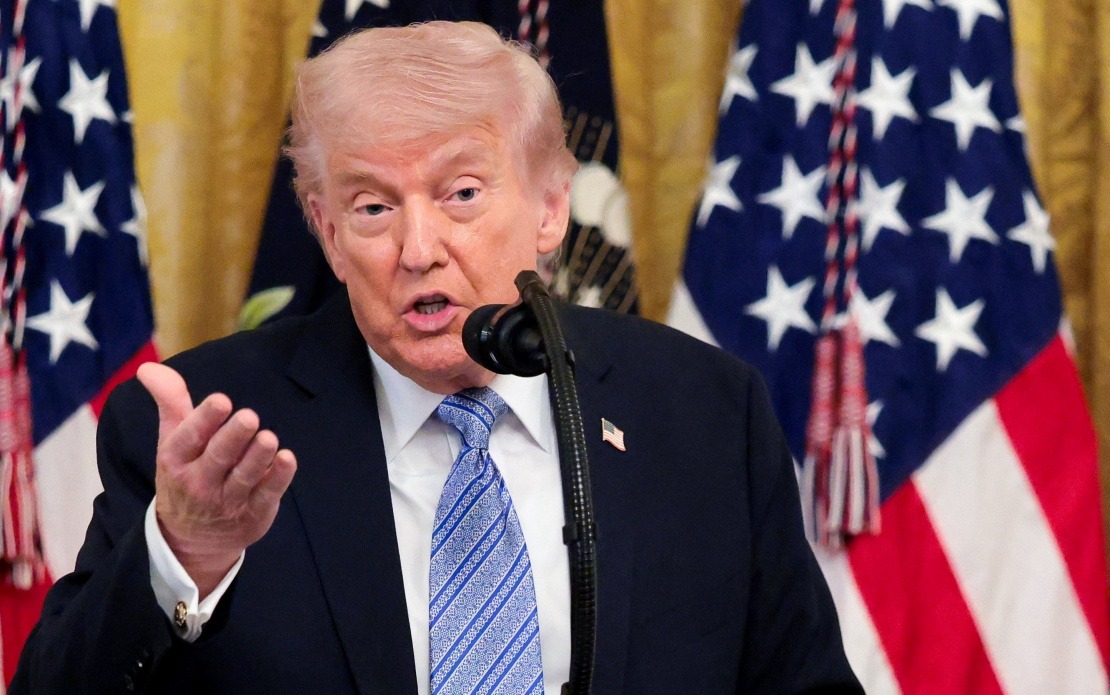
Donald Trump has identified FIFA President Gianni Infantino as his preferred candidate to lead the United Nations, according to reports emerging from the American capital this week. The US president reportedly believes the Swiss-born sports administrator possesses the diplomatic acumen and universal respect required to navigate the complex challenges facing the global body. Such a nomination would represent an unprecedented move, elevating a figure from international sports governance to the helm of the world's foremost multilateral institution.
Trump's confidence in Infantino appears rooted in their burgeoning relationship, which deepened considerably during this year's World Cup tournament. The FIFA president made concerted efforts to cultivate ties with the American leader, including the symbolic gesture of awarding him the inaugural FIFA Peace Prize in December. These overtures suggest a deliberate strategy by Infantino to build political capital with influential world leaders, particularly one wielding substantial power on the global stage.
The timing of this development carries particular significance as the international community prepares for a succession process beginning in January 2027. The current UN Secretary-General, Antonio Guterres, will reach the conclusion of his mandate, triggering a formal selection process governed by the UN Charter. The five-year tenure represents the organisation's standard leadership cycle, providing stability while allowing for periodic renewal of direction and priorities at the global level.
The constitutional pathway to this position remains deliberately complex, reflecting the checks and balances embedded in the UN's founding architecture. The Security Council, comprising fifteen members with five permanent powers holding veto authority, must formally recommend a candidate before the General Assembly votes on the appointment. This dual-approval system ensures that no single superpower can unilaterally impose its preferred leader, though permanent members retain significant influence over the outcome. For Infantino to succeed, he would require not merely Trump's endorsement but the consensus of multiple geopolitical rivals.
Trump's advocacy for a non-traditional candidate reflects his broader dissatisfaction with the UN's institutional performance. Throughout his tenure, the US president has articulated persistent criticism of the organisation's capacity to effectively address major international crises and conflicts. His frustration encompasses the UN's role in mediating global disputes, responding to humanitarian emergencies, and supporting American strategic interests abroad. This discontent has translated into concrete policy actions that reshape Washington's relationship with the multilateral system.
The administration's skepticism toward established international institutions manifested tangibly through the creation of a US-led Board of Peace last year. This initiative sparked considerable speculation that Trump sought to establish a parallel mechanism bypassing traditional UN processes, though the president explicitly denied pursuing such an alternative architecture. Nevertheless, the gesture underscored a strategic reorientation away from conventional multilateralism toward more flexible, ad hoc arrangements that could accommodate American priorities more directly.
Trump's financial pressure on the UN has intensified significantly since his return to office. The United States, historically the organisation's largest financial contributor, has substantially reduced its funding commitments, creating budgetary strain across UN operations. This fiscal leverage complements diplomatic arguments with concrete economic consequences, signaling that American commitment to the multilateral order now requires demonstrable alignment with White House priorities. The message is unmistakable: institutional reform or face persistent resource constraints.
The withdrawal from WHO and other UN-affiliated organisations further illustrates this recalibration of America's multilateral engagement. Rather than working within established frameworks to effect change, the Trump administration has simply exited partnerships deemed misaligned with American interests. This unilateral approach reflects a fundamental philosophy that bilateral relationships and customised arrangements better serve national objectives than universal institutions constrained by consensus requirements and bureaucratic procedures.
Infantino's potential candidacy would test whether a sports administrator lacking traditional diplomatic credentials could command sufficient international support to lead the UN. His governance of FIFA, an organisation frequently criticised for corruption and organisational inefficiency, hardly constitutes an obvious preparation for leading an institution already struggling with legitimacy challenges. Yet Trump's assessment emphasises Infantino's purported ability to build consensus and maintain relationships across diverse constituencies—precisely the attributes that could prove valuable in managing the fractious geopolitical environment confronting the UN.
For Malaysia and Southeast Asian nations, Infantino's potential elevation would reshape the dynamics of UN decision-making and advocacy. Regional powers would lose the opportunity to support a secretary-general from the Global South, potentially reinforcing perceptions that leadership remains concentrated within Western-aligned circles. Southeast Asia's traditional role as bridge-builder between competing power blocs could either expand in influence or contract, depending on how Infantino navigates regional interests and maintains equitable attention to non-Western priorities.
The practical obstacles to Infantino's confirmation remain substantial. China and Russia, permanent Security Council members with veto authority, would carefully scrutinise any candidate backed primarily by Washington. Their approval would require either that Infantino distance himself from Trump's advocacy or that he assuage concerns about American dominance of UN leadership. The general assembly, increasingly assertive regarding representation and inclusivity, might also bristle at the prospect of choosing a candidate elevated primarily through bilateral US promotion rather than through consensus building among the broader membership.
Infantino's background in international sports administration, while unconventional for UN leadership, offers certain advantages in navigating complex multi-stakeholder environments. FIFA encompasses member federations from nearly every UN member state, requiring him to balance competing national interests, commercial imperatives, and governance standards. Whether these credentials translate effectively to the fundamentally different challenge of managing geopolitical conflicts, humanitarian crises, and great-power competition remains speculative, but the appointment would certainly inject unexpected dynamism into a position frequently occupied by diplomats versed in traditional statecraft.

