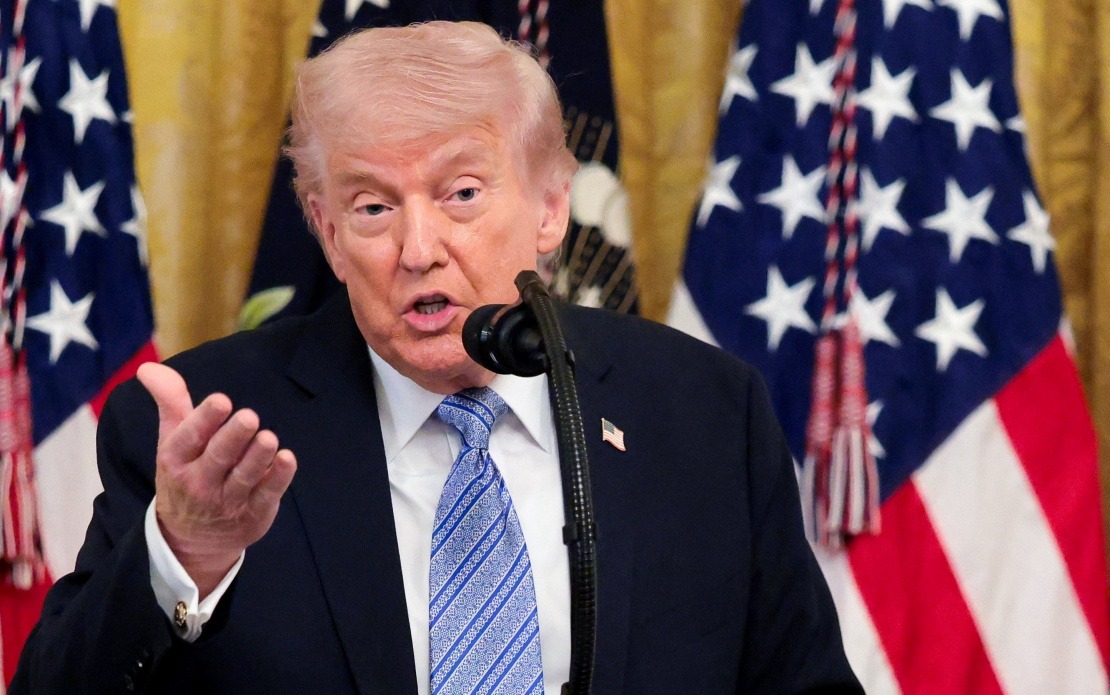
The Trump administration has terminated all ongoing and planned diplomatic channels with Iran, marking a significant reversal in US Middle East policy after months of intermittent negotiations. The announcement came through Trump's Truth Social platform on Tuesday, where he explicitly stated that no talks or conversations with the Islamic Republic of Iran were currently happening or scheduled to occur. This declaration represents a notable policy shift from recent weeks when American officials had been engaged in what some described as "positive discussions" with Tehran.
The statement accompanied Trump's assertion that Washington's military posture in the region remains uncompromised, emphasizing that the Strait of Hormuz continues operating normally under the protection of the US naval blockade. He further claimed that all water mines had been either removed or detonated, suggesting that immediate maritime security concerns have been addressed. This framing positions the United States as maintaining strategic control over critical shipping lanes vital to global energy markets and Southeast Asian trade.
The timing of this announcement reflects internal policy deliberations within the Trump administration regarding long-term Iran strategy. According to reporting from CNN, Trump instructed his chief negotiating team—comprising Vice President JD Vance, Special Envoy Steve Witkoff, and Jared Kushner—to cease all engagement with Iranian counterparts. This directive came despite what multiple sources characterized as productive preliminary discussions between the parties, suggesting that political considerations rather than diplomatic stalemate drove the decision.
White House communications to political allies indicate a fundamental reorientation of approach toward Iran. Rather than pursuing rapid confrontation through immediate military action, the administration has adopted what one source described as a strategy to "strangle" Iran over an extended timeframe. This shift from aggressive immediate intervention to sustained pressure reflects possible concerns about escalation costs, regional stability, and the broader geopolitical implications of military conflict in the Middle East. For Southeast Asian nations with significant energy interests and strategic shipping dependencies, such a long-term pressure campaign presents different risks and opportunities than outright military confrontation.
The reversal is particularly striking given Jared Kushner's recent visit to Israel, where he met with Prime Minister Benjamin Netanyahu to discuss regional matters including the Gaza Strip. During that meeting, Kushner told Fox News that communications between Washington and Tehran had become "more robust" than ever before, suggesting that diplomatic channels were actively functioning and potentially productive. This contradiction between his optimistic public assessment and Trump's subsequent order to halt engagement raises questions about the decision-making dynamics within the administration and whether diplomatic progress was actually being made.
Historical context reveals a pattern of negotiation and breakdown in recent US-Iran relations under Trump's presidency. In April of this year, Tehran and Washington reached a ceasefire agreement, which was followed in June by a memorandum of understanding ostensibly designed to terminate their military conflict and establish a durable peace framework. However, this arrangement collapsed the following month as both nations resumed military operations against each other, with approximately two weeks of reciprocal strikes marking a dangerous escalation. Trump then abruptly halted the bombardment, ostensibly to provide space for renewed negotiations.
The cycle of engagement and confrontation reflects deeper structural tensions in US-Iran relations that extend beyond any single administration's policy preferences. Regional instability, competing security interests, proxy conflicts across the Middle East, and fundamental disagreements over nuclear capabilities and regional influence continue to complicate diplomatic efforts. For Malaysia and other Southeast Asian states, these oscillations create uncertainty regarding energy security, strait navigation, and broader regional alignment patterns. The unpredictability of US policy toward Iran affects calculations regarding partnerships, investment flows, and strategic positioning throughout Asia.
The stated maintenance of a naval blockade and control over the Strait of Hormuz carries particular significance for Asian economies heavily dependent on energy imports from the Persian Gulf. Approximately one-third of all seaborne traded oil passes through this critical chokepoint, making its security a matter of direct concern for nations like Malaysia, Singapore, and other regional powers. Trump's emphasis on keeping shipping lanes open while maintaining military pressure suggests an intention to preserve energy supplies and commerce while constraining Iranian regional activities. However, the potential for miscalculation or escalation remains a persistent risk factor.
The administration's pivot toward prolonged pressure rather than immediate military action may reflect several considerations. Sustained economic sanctions, diplomatic isolation, and military presence along with potential cyber operations could achieve policy objectives without the costs and complications of direct warfare. This approach also allows time for political developments domestically and internationally, potentially positioning the administration differently depending on how situations evolve. For Southeast Asian observers, this strategy suggests a longer timeline for resolution of US-Iran tensions, with corresponding implications for regional stability and economic planning.
The dismissal of diplomatic engagement despite reportedly productive preliminary discussions raises broader questions about the role of negotiation in contemporary great power relations. When communication channels are functioning and parties are finding common ground, abrupt termination of talks can signal either tactical repositioning or fundamental loss of confidence. The Trump administration's decision appears driven primarily by domestic political calculations and strategic preferences rather than by Iranian intransigence or failed negotiations. This pattern may influence how other nations evaluate American commitments to dialogue and agreements.
For Malaysian policymakers and regional analysts, these developments underscore the continuing volatility in Middle East affairs and the cascading effects on Asia-Pacific stability and prosperity. The region's economic interconnections with energy suppliers and global shipping networks mean that US-Iran tensions reverberate through Asian economies. Whether Trump's long-term pressure strategy ultimately succeeds in modifying Iranian behavior or merely postpones confrontation remains uncertain. The absence of active diplomacy, however, narrows the space for de-escalation and increases risks of miscalculation, factors that Southeast Asian nations must account for in their own strategic planning.

