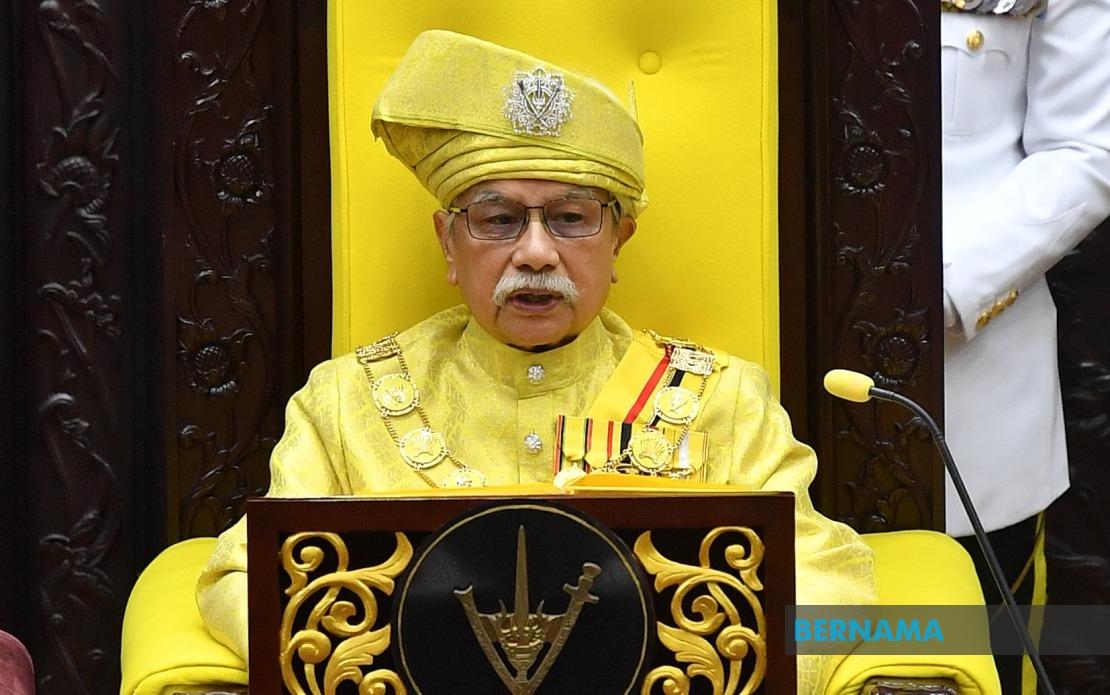
The Yang Dipertuan Besar of Negeri Sembilan, Tuanku Muhriz Tuanku Munawir, has given his formal consent for a royal audience ceremony scheduled for this Saturday at Istana Besar Seri Menanti. The event will mark the official formalisation of Hassan Ab Hamid, 67, as the 22nd Undang of Luak Rembau, following the passing of his predecessor in May last year.
The royal approval was communicated through Tunku Besar Seri Menanti, Tunku Ali Redhauddin Tuanku Muhriz, during his meeting with the Datuk-Datuk Adat of Rembau at the istana. Tunku Ali Redhauddin conveyed his father's blessing for the Istiadat Menghadap Menjunjung Duli ceremony, which forms a vital component of the formal installation process. He instructed the adat leaders to coordinate with the Orang Empat Istana regarding logistical matters and other ceremonial details, emphasising that preparations should proceed without complication.
The selection of Hassan Ab Hamid was conducted strictly in accordance with the customary practices and traditions that have governed the Rembau luak for centuries. According to Datuk Juan Datuk Zulkipli Shamsudin, chairman of the Kerapatan Buapak Delapan ceremony for the Biduanda Nan Dua Carak customary clan, the entire process adhered to established adat protocols. This ceremonial framework ensures that the community's voice carries weight in determining its leadership, rather than decisions being imposed from above.
A critical aspect of this succession involves the distinction between the Yang Dipertuan Besar's role and the autonomous nature of luak governance. Zulkipli was emphatic in clarifying that under the Adat Perpatih system, which governs Negeri Sembilan's unique political structure, an Undang is fundamentally not appointed by the monarch. Instead, the position emerges through deliberative community processes embedded within each luak's adat framework. The Yang Dipertuan Besar's function, by contrast, is limited to receiving delegations when they present themselves for audience and granting formal recognition to the community's collective decision when protocol demands it.
This constitutional nuance reflects a sophisticated understanding of sovereignty and representation that characterises Negeri Sembilan's governance model. The Yang Dipertuan Besar does not unilaterally summon, select, or appoint individuals to adat positions according to personal preference. Rather, his role is consultative and ceremonial in nature, affirming decisions already reached through communal deliberation. Zulkipli's statement underscores that misinterpretations of this relationship have sometimes occurred, but they represent misunderstandings of adat principles that have structured Negeri Sembilan's political and social landscape for generations.
For Malaysian federalism, Negeri Sembilan's system offers a distinctive model of how indigenous customary law and monarchical authority can coexist in a carefully balanced relationship. The adat system, particularly Adat Perpatih, preserves community agency in selecting leaders while maintaining the ceremonial and symbolic authority of the ruler. This arrangement stands in contrast to systems where appointment flows directly from the throne, demonstrating that multiple models of governance can function effectively within Malaysia's constitutional framework.
The vacancy arose following the death of Datuk Lela Maharaja Datuk Muhamad Sharip Othman on May 15, 2024, at the age of 83. His passing concluded a significant chapter in Rembau's adat governance, prompting the community to activate its selection mechanisms to identify a successor. The transition from one Undang to another carries substantial implications for how the luak's internal affairs, dispute resolution, and customary matters will be managed in the years ahead.
For the broader Southeast Asian context, Negeri Sembilan's adat governance system provides instructive lessons in balancing tradition with modern statehood. Many Southeast Asian nations grapple with questions of how to preserve indigenous governance structures while maintaining contemporary state institutions. The Undang system, where community selection carries legal weight and ceremonial approval from the ruler formalises rather than creates authority, demonstrates one workable approach to this challenge.
The Saturday ceremony will draw together various stakeholders from the Rembau luak and representatives of the state administration. The event carries significance beyond mere ceremonial formality; it represents a moment when written constitutional practice and lived adat tradition intersect, affirming the legitimacy of Hassan Ab Hamid's position within both the customary hierarchy and the formal state structure. Observers of Malaysian governance will be watching to see how seamlessly this transition proceeds, particularly given occasional tensions between adat practice and modern bureaucratic expectations.

