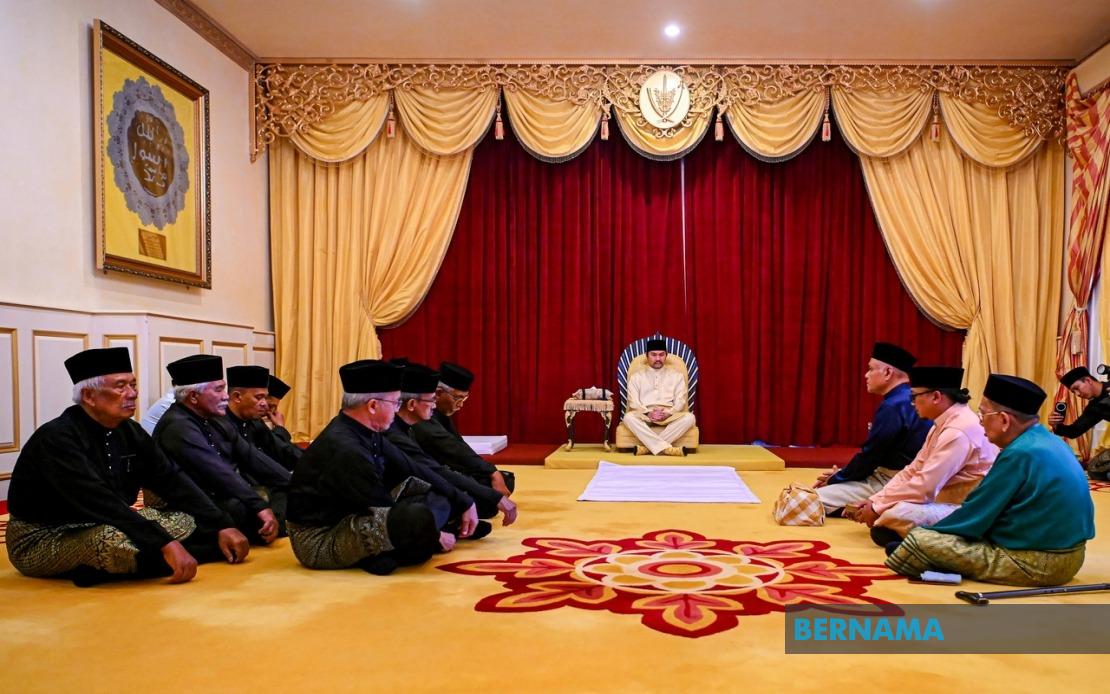
The Yang Dipertuan Besar of Negeri Sembilan, Tuanku Muhriz Tuanku Munawir, has authorised a formal royal audience ceremony scheduled for tomorrow morning at Istana Besar Seri Menanti in Kuala Pilah to officially install the newly selected Undang of Luak Sungei Ujong. This significant constitutional moment marks the culmination of a succession process steeped in centuries-old Minangkabau adat traditions unique to the Malay heartland's oldest established settlement system.
The royal consent was formally communicated through Tunku Besar Seri Menanti Tunku Ali Redhauddin Tuanku Muhriz during an official audience held at the palace today with the adat leadership and hereditary chiefs of Luak Sungei Ujong. The Istiadat Menghadap Menjunjung Duli Bagi Menyempurnakan Kejadian Undang Luak Sungei Ujong—the ceremonial protocol for presenting and honouring the newly appointed chief—will proceed as scheduled, with specific arrangements to be coordinated between the adat council and palace administrative officials known as the Orang Empat Istana.
Muhammad Faris Johari, aged 29, has been selected as the 11th Undang of Luak Sungei Ujong by the Buapak customary council assembly, adhering rigorously to the established hereditary and electoral practices governing leadership succession within this particular luak. According to Datuk Sinda Maharaja Razlan Hamid, the Waris Negeri Sungei Ujong representing the district's interests, the selection process was conducted entirely in accordance with traditional customs and conventions that have regulated such appointments since the founding of the settlement structure itself.
This appointment follows the formal dismissal of the previous office-holder, Datuk Klana Petra Datuk Mubarak Dohak, who served as the 10th Undang of Luak Sungei Ujong. The Dewan Keadilan dan Undang, the traditional council responsible for matters concerning undang affairs and succession, accepted his removal at a constitutional proceeding, establishing the path for a fresh selection and installation process. Menteri Besar Datuk Seri Aminuddin Harun confirmed that the decision regarding the former undang's dismissal was formalised during a special sitting chaired by Tuanku Muhriz himself at Istana Besar Seri Menanti.
Negeri Sembilan's system of luak governance represents one of Malaysia's most distinctive constitutional arrangements, rooted in pre-colonial Minangkabau political philosophy that emphasises decentralised authority and customary law. The nine luaks, including Sungei Ujong, function as semi-autonomous territorial and administrative units, each headed by an elected undang who serves simultaneously as both a custodian of adat and a bridge between traditional governance and the modern state apparatus. The careful preservation of these institutions demonstrates the state government's commitment to honouring indigenous political traditions while integrating them within Malaysia's constitutional monarchy framework.
The royal ceremony tomorrow will constitute a double ceremonial occasion, as Tuanku Muhriz has similarly granted consent for the formalisation of another undang installation—that of the 22nd Undang of Luak Rembau—to proceed on the same day. This concentration of two major adat ceremonies within a single palace gathering underscores the interconnected nature of Negeri Sembilan's luak system and the centralised role of the Yang Dipertuan Besar in validating and ceremonialising the selection outcomes determined by each district's customary bodies. The royal approval serves as the final constitutional endorsement, transforming the adat council's selection into an officially recognised appointment.
For Negeri Sembilan residents and the broader Malaysian audience observing traditional governance practices, these ceremonies illuminate how customary institutions continue to exercise meaningful constitutional authority despite modernisation pressures. The selection, vetting, and formal installation of undangs represents a genuine exercise of adat sovereignty, constrained by hereditary and electoral principles known to members of the waris soko—the hereditary clans entitled to participate in such processes. The fact that such appointments proceed through both customary validation and formal royal ratification demonstrates the layered legitimacy these systems maintain within Malaysia's plural constitutional order.
The involvement of palace administrative structures, particularly the Orang Empat Istana, in coordinating ceremony logistics reflects how traditional and bureaucratic governance systems have developed complementary rather than conflicting relationships. Rather than viewing adat councils as merely ceremonial remnants, Negeri Sembilan's framework allows customary bodies to exercise substantive decision-making authority while ensuring that installations receive formal recognition through the constitutionally established royal institution. This balance has enabled the state to maintain continuous links to its pre-colonial political heritage while functioning effectively as a modern component of Malaysia's federal system.
The selection of Muhammad Faris Johari at just 29 years of age may signal shifting generational dynamics within Negeri Sembilan's adat leadership structures. The appointment of a younger undang could represent either continuity of tradition by an emerging generation of hereditary leaders or a deliberate choice by the customary council to incorporate fresh perspectives while maintaining institutional stability. Observers of Malaysian adat governance will be attentive to how his tenure develops and whether it influences attitudes toward succession practices across other luaks facing similar questions about balancing tradition with contemporary expectations.
The timing of these ceremonial installations during the monsoon season, following what local sources describe as careful coordination between adat authorities and palace officials, reflects the meticulous planning that surrounds such constitutional occasions. Every element from the ceremonial protocol itself to the physical arrangements at Istana Besar Seri Menanti undergoes scrutiny to ensure that the formal installation properly honours both the newly appointed undang and the adat traditions he represents. Tomorrow's gathering will thus function simultaneously as a constitutional proceeding, a cultural affirmation, and a statement about Negeri Sembilan's distinctive approach to preserving indigenous governance within a modern nation-state framework.

