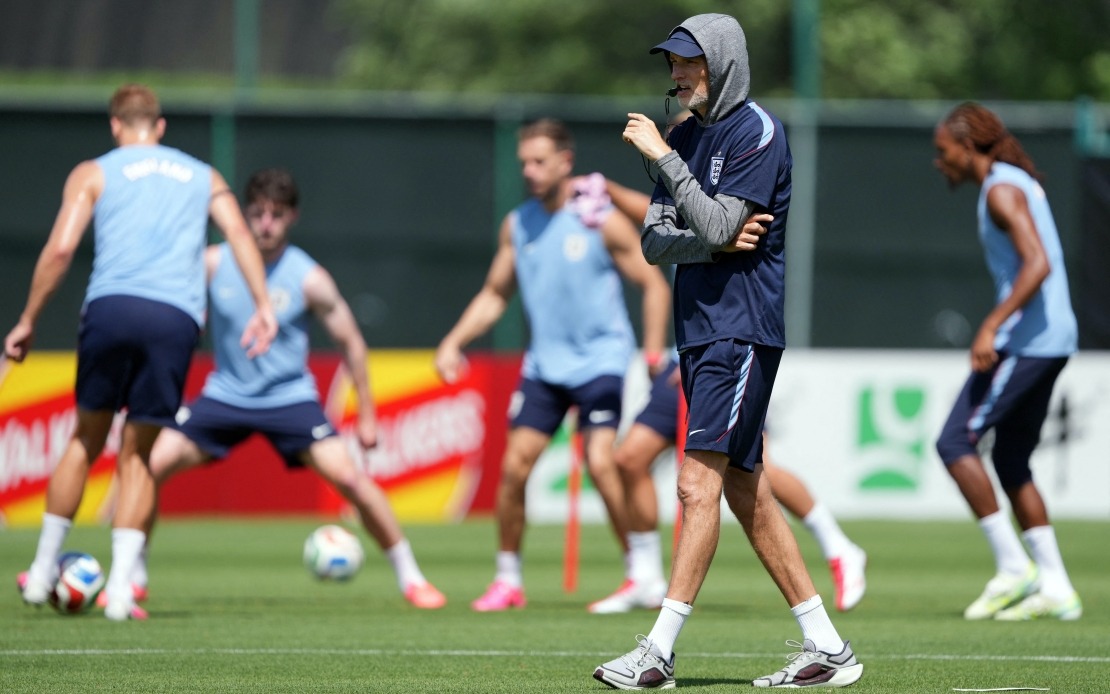
Thomas Tuchel is determined to provide an entertaining spectacle for England's youngest supporters when the side faces Democratic Republic of Congo in a last-32 World Cup encounter in Atlanta on Wednesday, though the manager acknowledged that the African opponents may not be inclined to facilitate an open, flowing contest.
The fixture presents a markedly different scheduling proposition compared to England's earlier group-stage matches. While the clashes against Croatia and Ghana started at 9 pm United Kingdom time, and Saturday's victory over Panama began at 10 pm, Wednesday's encounter kicks off at 5 pm UK time (1600 GMT). This substantially earlier start time means an entire generation of young English supporters will have the opportunity to witness their inaugural tournament match without the customary late-night viewing restrictions imposed during the group phase.
For families and school-age viewers across Britain, the afternoon slot represents a significant departure from typical World Cup scheduling. Tuchel explicitly referenced the educational implications of the timing, recognising that children normally require early bedtimes on school nights and that this particular fixture affords a rare opportunity for daytime engagement with the competition.
Despite acknowledging the practical appeal of the scheduling, Tuchel expressed awareness that entertainment comes in multiple forms and cannot always be guaranteed by a single team. He cautioned against overstating expectations regarding the aesthetic quality of the match, noting that not all opponents prioritise aesthetically pleasing football or aggressive forward play in their tactical approach. Congo's potential defensive strategy could result in a match that lacks the flowing, attacking patterns many supporters find captivating.
Yet Tuchel remained committed to delivering something meaningful beyond purely attacking display. The England boss articulated a broader conception of entertainment that encompasses the emotional resonance and intensity that young spectators can absorb from television coverage. He emphasised that team spirit and collective energy, even within defensive configurations, can prove genuinely captivating for audiences attempting to form their earliest memories of international football.
The manager's comments reflected his philosophy that transmitting passion and commitment through broadcast media matters as much as technical execution. Tuchel stated his ambition to ensure young viewers feel the significance the squad attaches to the tournament and their desire to advance, hoping these intangible qualities would translate into parental pride even if the match lacked traditional excitement.
England's objective remains securing victory within the standard 90-minute period, thereby avoiding the necessity of extended fixtures that would push bedtimes significantly later. However, the knockout format means extra time and penalty shootouts remain realistic possibilities, potentially undermining the family-friendly scheduling advantage.
Gatekeeping preparations for such scenarios has been extensive. Jordan Pickford, England's goalkeeper, confirmed that the squad has undertaken comprehensive training to address the possibility of matches extending beyond regular time. The shot-stopper indicated genuine preparedness for any outcome, whether resolution within 90 minutes, 120 minutes, or the ultimate test of penalty kicks.
Pickford's statement reflected the professional reality that knockout football, particularly in World Cup environments, frequently demands mental and physical readiness for multiple contingencies. The collective training undertaken by the squad specifically targeted these prolonged-match scenarios, ensuring players could maintain concentration and performance standards should the fixture require decisive intervention beyond standard play.
England's progression through the group stage positions the team favourably for the knockout phase. The victories secured against Panama and earlier opponents suggest tactical coherence and attacking capability that may prove decisive against Congo, potentially facilitating the preferred 90-minute conclusion.
For Malaysian and Southeast Asian audiences with interest in English football development, this match represents a significant moment in generational continuity. The early kickoff creates accessibility for Asian-Pacific viewers during more convenient hours, making it a rare opportunity for regional supporters to engage with England's tournament trajectory alongside contemporary analysis and discussion.
The Democratic Republic of Congo, representing Central African football, enters the fixture as considerable underdogs. Their presence reflects the global reach of modern World Cup tournaments and the competitive pathways available to emerging football nations, though England's superior ranking and experience heavily favour Tuchel's squad.
Tuchel's explicit focus on entertaining young supporters—while acknowledging tactical realities beyond his complete control—demonstrates sophisticated match-day communication. The manager balanced realism about potential defensive approaches with genuine ambition to create memorable experiences, recognising that England's responsibility extends beyond mere victory to encompass the long-term cultivation of fan engagement and emotional investment among the sport's next generation of followers.

