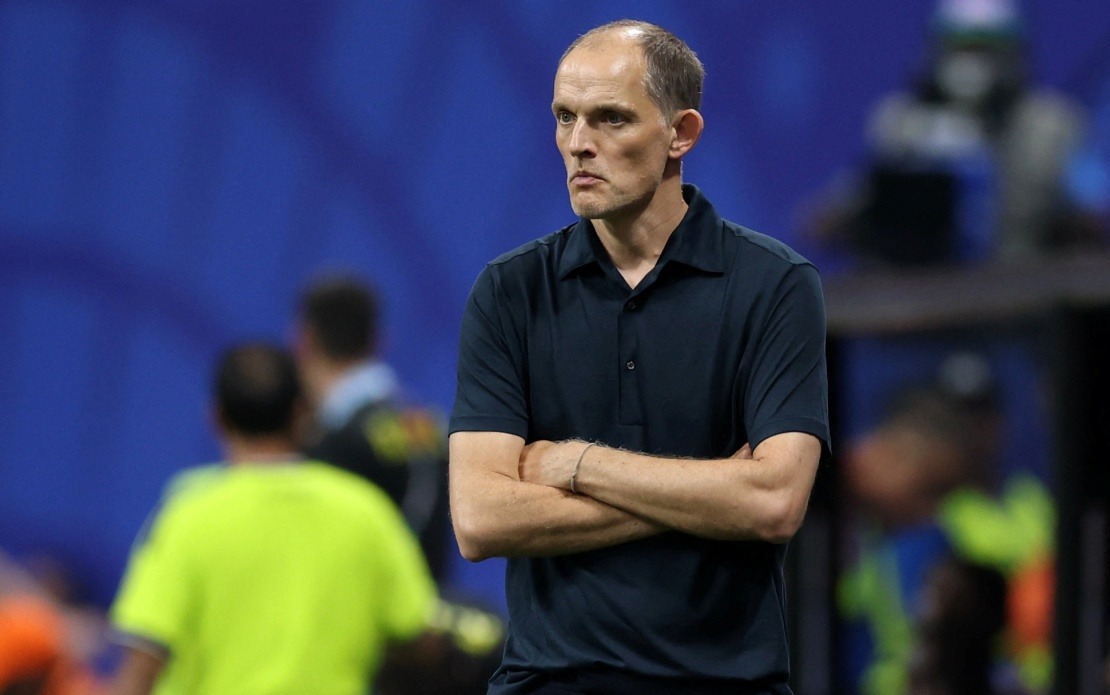
England's World Cup hopes ended in heartbreak on Wednesday when Argentina staged a dramatic late comeback to prevail 2-1 in their semi-final encounter in Atlanta, Georgia. The result proved especially painful given that the Three Lions held the advantage for much of the second half, courtesy of Anthony Gordon's 55th-minute goal. However, Argentina's determined response saw them equalize through Enzo Fernandez with just five minutes remaining, before Lautaro Martinez sealed the defending champions' passage to the final with a stoppage-time winner. The reversal has immediately sparked intense debate about the decisions made by England manager Thomas Tuchel during the match.
In the aftermath of the defeat, Tuchel confronted widespread criticism surrounding his in-game management, particularly the defensive substitutions he deployed as England attempted to protect their lead. The German tactician acknowledged that his side's performance deteriorated considerably after going ahead, conceding numerous opportunities to their opponents. Speaking to reporters following the final whistle, he articulated his assessment of where the match pivoted against England's interests. The manager emphasized that his team's approach became increasingly reactive rather than controlling, allowing Argentina to gain momentum and dictate terms as the contest progressed toward its conclusion.
When pressed on the specific issue of his substitutions, which many observers believed prioritized defensive stability over maintaining attacking pressure, Tuchel pushed back against suggestions that structural changes had undermined England's performance. He explained that his defensive-minded moves were intended to consolidate possession and prevent Argentina from creating dangerous situations, rather than representing a fundamental shift in formation or philosophy. The manager maintained that England continued to operate within their established 4-4-2 shape throughout the encounter, indicating that the tactical framework itself remained consistent regardless of personnel changes. This distinction became significant given the subsequent criticism that suggested England had surrendered their attacking verve unnecessarily.
Tuchel elaborated on his reasoning by noting that he had considered whether introducing additional attacking players might have produced the second goal needed to secure the match. However, he concluded that such offensive alterations would not have proven beneficial given England's inability to retain possession or win contested balls during the critical period. His analysis pointed toward a performance decline that transcended personnel decisions, suggesting instead that his players failed to maintain the intensity and sharpness evident earlier in the match. The manager's perspective highlighted a fundamental challenge in football management: determining whether poor results stem from structural failings or from execution issues that lie beyond tactical frameworks.
The gradual loss of control that England experienced proved particularly frustrating because they had constructed what Tuchel characterized as one of their superior performances in recent times. The team had demonstrated solid organization, defensive discipline, and clinical finishing to secure the opening goal. The circumstances surrounding the tournament—including the intensity of World Cup competition and the physical and mental demands on players—added contextual weight to England's strong first-half display. Yet the inability to sustain that level during the second period, particularly after taking the lead when momentum should have favored the English, represented the true source of disappointment from the manager's perspective.
In defending his overall approach, Tuchel emphasized that England had come tantalizingly close to advancing to the final, having fought to establish dominance against one of the tournament's strongest teams. The manager articulated that deserving victory and actually securing it represent two different propositions in football, a reality his squad experienced painfully. His insistence on this distinction reflected the pragmatic nature of professional sports management: tactical decisions must ultimately be judged by results, yet good planning and execution can still be undone by variables beyond complete control. This tension between process and outcome has become central to discussions about England's semi-final exit throughout the football community.
Despite the barrage of scrutiny directed at his decision-making, particularly from pundits and supporters who questioned whether a more aggressive substitution strategy might have altered the outcome, Tuchel explicitly stated he harbored no regrets about the choices he made during the contest. This stance reflected both professional confidence in his analysis and a recognition that second-guessing decisions after the event produces little value for future performance. The manager's willingness to defend his position contrasted with potential temptation to shift blame toward external factors or to suggest he would approach similar situations differently in retrospect. His resolve suggested someone comfortable that his tactical framework was sound, even if execution faltered.
Tuchel's acknowledgment that millions of alternative coaches might offer different analyses carried an implicit acknowledgment of football's inherent uncertainty and the range of valid perspectives surrounding tactical choices. This observation served to contextualize the inevitable criticism that follows any elimination from major tournaments, particularly one occurring in such dramatic circumstances. The manager appeared to accept that such discussions constitute an inescapable feature of the professional landscape, without allowing them to shake his conviction in his approach. His philosophical attitude suggested someone who views tactical management not as a matter of absolute right and wrong, but rather as navigating complex decisions with incomplete information.
For Malaysian and Southeast Asian football observers, England's elimination carries significance beyond the immediate narrative of national disappointment. The manner of the loss—through passive play after establishing advantage—offers instructive lessons about match management at the highest level. Many developing football nations look to how established international teams navigate World Cup competition, and this semi-final illustrates both the difficulty of maintaining dominance against elite opponents and the consequences of surrendering initiative. Additionally, Argentina's comeback reinforces that tournament success at this level demands consistency and intensity sustained across the full ninety minutes and beyond, principles applicable to any team aspiring to compete at football's summit.

