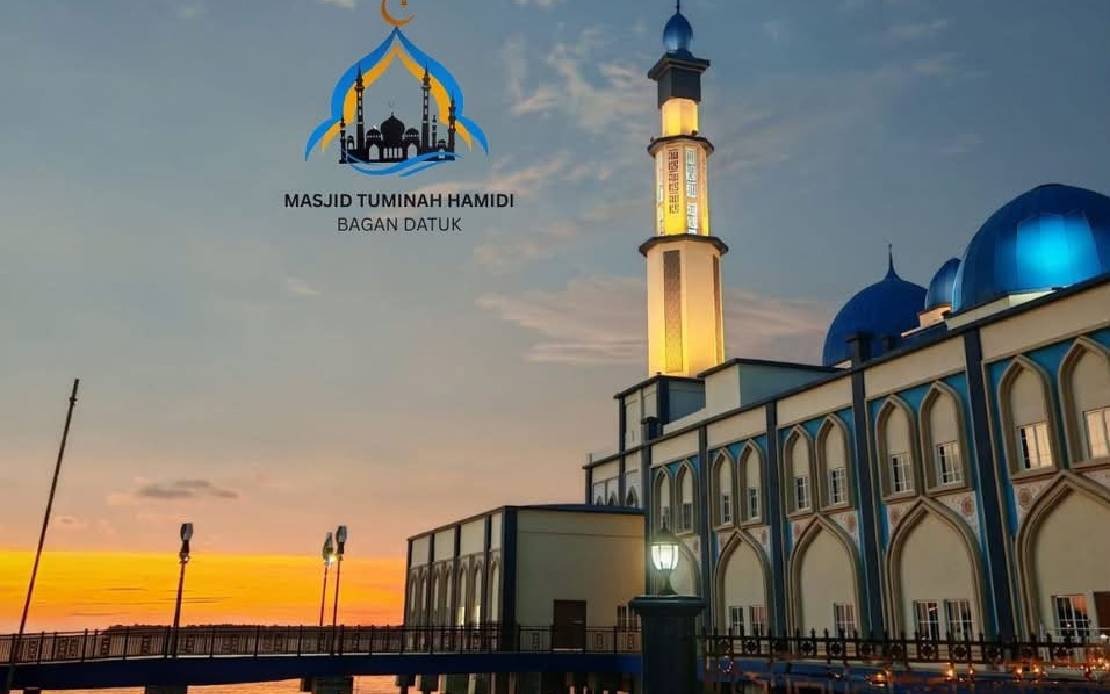
The Tuminah Hamidi Mosque in Bagan Datuk will welcome visitors from all backgrounds during Malaysia's inaugural National Mosque Open Day, running from August 13 to 15. The event marks a significant milestone in the country's efforts to position Islamic heritage and culture as accessible components of national identity, with free admission extended to Malaysians and international visitors regardless of religious or ethnic background.
Organised by the Islamic Tourism Centre (ITC) under the Ministry of Tourism, Arts and Culture (MOTAC), the three-day celebration deliberately repositions mosques beyond their traditional role as places of worship. Instead, the initiative frames these institutions as dynamic community hubs where diverse populations can gather to learn, volunteer, and celebrate the values that bind Malaysian society together. This conceptual shift carries particular importance for a multicultural nation seeking to deepen cross-cultural understanding at a time when religious and communal tensions occasionally surface in public discourse.
The opening day on August 13 will emphasise spiritual enrichment through cultural programming. The Nur Ahli Badar group will perform Qasidah, a traditional Islamic vocal art form that carries deep historical significance throughout Southeast Asia. This will be followed by tausiyah (spiritual guidance sessions) delivered by Ustaz Habib Ali Zaenal Abidin Alhamid and Ustaz Habib Najmuddin Othman Alkhered, providing attendees with educational insights into Islamic teachings and contemporary religious matters. Such programming reflects an intentional effort to blend entertainment with substantive religious and cultural education.
The centrepiece of the celebration arrives on August 15 at Dataran Bagan Datuk, where organisers have choreographed a comprehensive community festival designed to appeal across age groups and interests. Morning activities commence with a group brisk walk led by actor Bell Ngasri, establishing a wellness component that emphasises the holistic nature of community engagement. This opening activity subtly positions physical wellbeing as compatible with spiritual practice, appealing to health-conscious Malaysians who might not traditionally associate mosque visits with leisure activities.
The festival programme encompasses traditional games alongside contemporary entertainment offerings, indicating a deliberate strategy to bridge generational divides. A 3x3 street soccer tournament and e-sports competitions target younger demographics, while khat (Islamic calligraphy) demonstrations and archery appeal to those interested in traditional Islamic arts and cultural heritage. This programming diversity acknowledges that mosque open days cannot rely solely on religious content to attract broad attendance; instead, they must compete with alternative weekend activities by offering genuine entertainment value.
Young attendees receive dedicated programming through a children's colouring contest, ensuring family participation extends to the youngest members. The inclusion of an azan (call to prayer) competition recognises the melodic and artistic dimensions of Islamic practice, positioning the azan as a cultural form worthy of celebration rather than merely a functional religious obligation. Celebrity appearances from Aril Pilus and Elly Mazlein will generate additional public interest and media coverage, leveraging entertainment industry influence to promote institutional engagement.
Deputy Prime Minister Datuk Seri Dr Ahmad Zahid Hamidi will officially launch the National Mosque Open Day 2026, signalling high-level government endorsement of the initiative. This political backing underscores the government's commitment to positioning Islamic heritage as a tourism and cultural asset, not merely a religious concern. Such institutional support legitimises the effort while expanding its reach beyond religious communities to encompass broader national narrative-building about Malaysian identity and values.
The timing and scale of this inaugural event reflect Malaysia's strategic positioning within global Muslim-friendly tourism markets. As Southeast Asian nations compete for religious tourism revenues, Malaysia seeks to differentiate itself through authenticity and accessibility. The National Mosque Open Day functions simultaneously as a domestic initiative promoting interfaith understanding and as an international marketing tool attracting Muslim and non-Muslim tourists interested in Islamic heritage and contemporary Muslim community life.
ITC's monthly Mosque Open Day programme, of which this event represents an expanded flagship iteration, demonstrates institutional commitment to sustained engagement rather than one-off celebration. Rotating between different mosque locations across Malaysia allows regional communities to participate while building a nationwide network of welcoming religious institutions. This distributed approach prevents the initiative from becoming centralised or exclusionary, instead embedding inclusive practice across the Islamic institutional landscape.
The comprehensive digital promotion through mymuslimtrip.com and social media channels indicates sophisticated marketing infrastructure supporting the event. Organisers recognise that contemporary community engagement requires digital accessibility alongside physical presence, ensuring that information reaches diaspora communities, international visitors, and Malaysians unable to attend in person. This multi-platform approach expands the event's symbolic impact beyond immediate attendees to influence broader narratives about religious tolerance and community openness.
For Malaysian readers, particularly those from non-Muslim backgrounds, the National Mosque Open Day represents an officially sanctioned opportunity to engage with Islamic spaces and culture outside conventional prayer contexts. The emphasis on free admission and explicit welcomes regardless of religion or nationality directly addresses potential hesitation about visiting mosques, converting them from perceived private religious spaces into public cultural resources. This reframing carries implications for social cohesion, demonstrating institutional willingness to share cultural and spiritual spaces across community boundaries.

