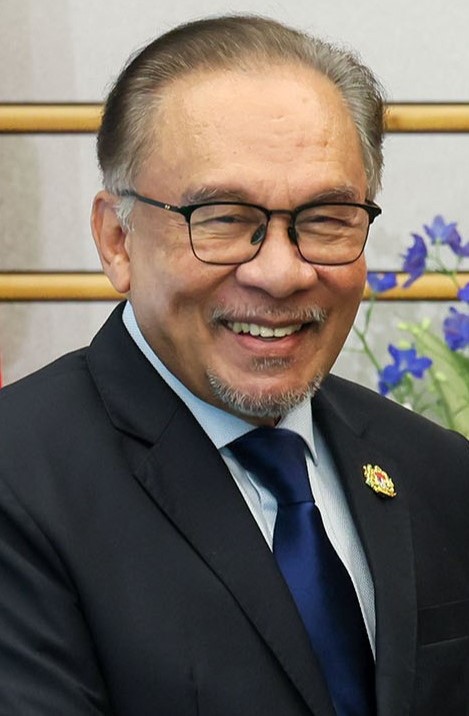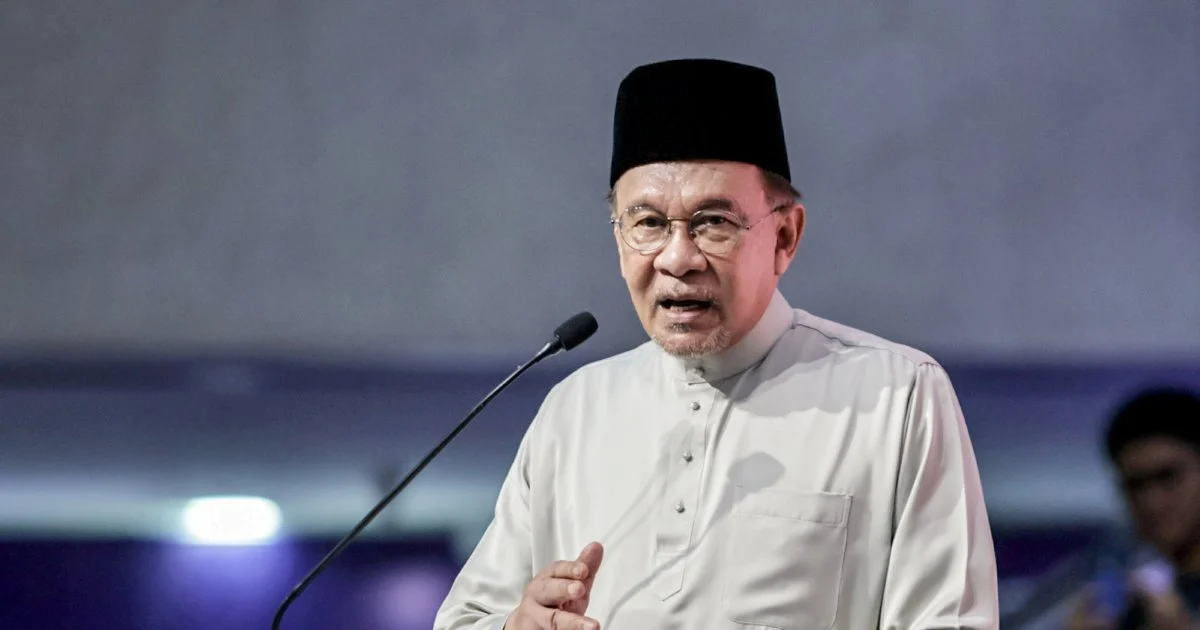
Prime Minister Datuk Seri Anwar Ibrahim met with Tunku Ismail Sultan Ibrahim, the Tunku Mahkota of Johor, during an official audience in Kuala Lumpur on Wednesday. The encounter was widely described as cordial and harmonious, underscoring the constructive relationship between Malaysia's executive leadership and the Johor palace, one of the nation's most prominent and influential royal institutions.
The Tunku Mahkota of Johor holds significant constitutional standing as the heir apparent to the Johor throne and wields considerable influence within Malaysia's broader royal framework. His audiences with senior government officials often carry symbolic weight beyond their immediate diplomatic purpose, signalling the health of relations between federal authority and state-level royal establishments. The meeting between Tunku Ismail and the Prime Minister thus represents more than routine protocol—it demonstrates an alignment of interests and mutual respect between the two figures who command substantial influence over their respective spheres of governance.
Tunku Ismail Sultan Ibrahim has established himself as a notably engaged member of the Malaysian royal family, known for his active involvement in sports, youth development, and philanthropic endeavours across Johor. His tenure as Tunku Mahkota has coincided with modernisation efforts within the Johor sultanate, including expanded public engagement and digital outreach initiatives. These activities have made him a recognisable public figure whose statements and actions carry weight among both the Johor electorate and the broader Malaysian constituency.
The timing of this audience occurs within the broader context of Malaysia's political landscape, where relations between federal government institutions and state-level power structures require careful navigation. Johor, as the nation's southernmost state and a major economic hub bordering Singapore, occupies strategic importance in national affairs. Cordial relations between the Prime Minister and the Tunku Mahkota reflect pragmatic recognition of this reality and suggest constructive dialogue on matters of mutual concern.
From a governance perspective, such audiences serve multiple functions within Malaysia's constitutional monarchy framework. They provide opportunities for the Prime Minister to engage directly with senior royal figures on policy matters, seek their counsel on issues affecting their respective states, and reinforce the collaborative spirit that underpins constitutional governance. The characterisation of the meeting as harmonious suggests that both parties found value in the exchange and perceive no significant friction in their relationship.
Royal engagements of this nature carry particular significance in Malaysia's political culture, where the institution of the monarchy commands deep reverence and serves as a unifying national symbol. Any public perception of discord between federal leadership and prominent royalty could potentially impact national cohesion and political stability. Conversely, visible harmony between these figures reassures both public and private sectors that Malaysia's dual power structures—constitutional monarchy and democratic governance—continue functioning in complementary fashion.
For Johor specifically, strong bilateral relations with the federal Prime Minister facilitate more effective advocacy for state-level interests at the national level. Whether concerning infrastructure investment, economic development incentives, or security matters, the Tunku Mahkota's influence can prove instrumental in advancing state priorities. The audience thus represented an opportunity for both sides to discuss matters of mutual interest and ensure that Johor's concerns receive appropriate consideration within federal policy deliberations.
The meeting also reflects broader patterns of engagement within Malaysia's royal establishment, where members of different sultanates frequently interact with federal authorities to coordinate on national matters. The Johor palace, given its prominence and the influence wielded by its leadership, participates actively in these consultations. Such regular interaction helps maintain the delicate balance between Malaysia's federal system and its constitutional monarchy, ensuring that both governance structures operate effectively within their designated domains.
Political analysts note that public documentation of harmonious royal-executive encounters serves an important confidence-building function in Malaysia's governance landscape. It signals to investors, both foreign and domestic, that the country's institutional framework remains stable and that its leadership structures are functioning cooperatively. This institutional confidence directly translates into economic stability and investor willingness to commit resources to Malaysian development projects.
Looking forward, the continuation of such cordial relations between the Prime Minister and key members of the royal establishment will remain crucial for Malaysia's political stability and governance effectiveness. As the nation navigates complex challenges ranging from economic restructuring to regional geopolitical shifts, the ability of federal and state-level power structures to work harmoniously becomes increasingly vital. The Kuala Lumpur audience between Tunku Ismail and Anwar Ibrahim exemplifies the kind of institutional cooperation that Malaysia's constitutional framework depends upon to function smoothly.