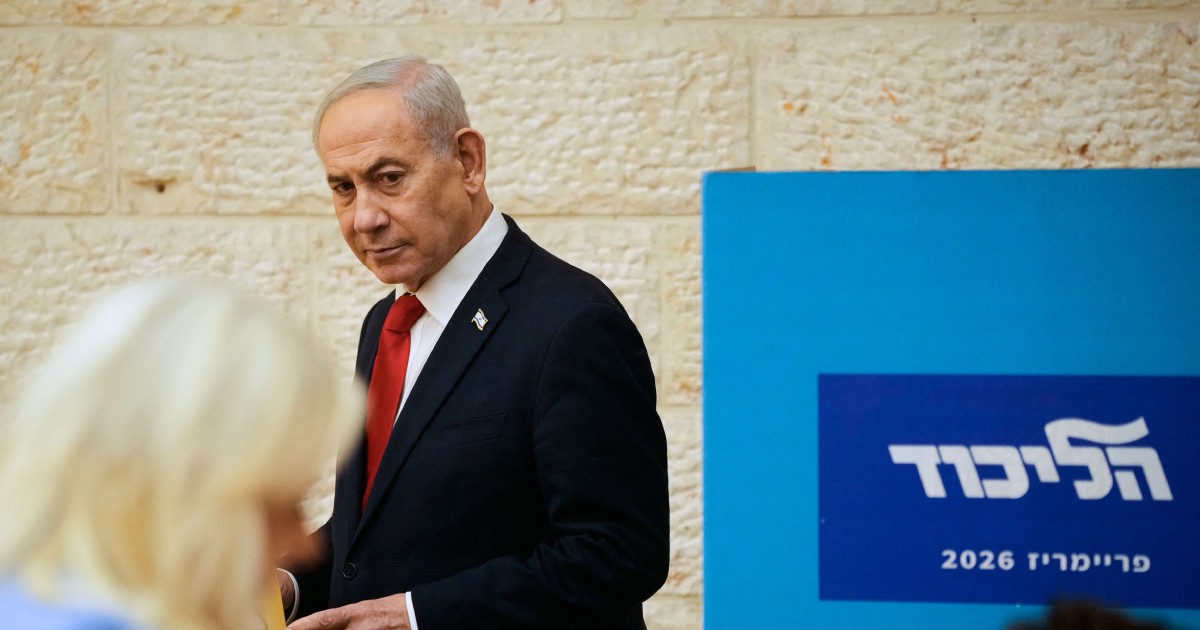
The Turkish government has escalated diplomatic tensions by formally requesting an international arrest warrant for Israeli Prime Minister Benjamin Netanyahu. Justice Minister Akin Gurlek announced the decision on Friday, citing an ongoing investigation into Israel's interception of humanitarian vessels headed toward Gaza. The move represents a significant hardening of Turkey's official stance toward Israel and marks a dramatic development in the long-running dispute over aid access to the Palestinian enclave.
The warrant relates specifically to Israel's military actions against aid flotillas attempting to reach Gaza by sea. This particular incident carries historical weight in Turkish-Israeli relations, as it invokes memories of the 2010 Mavi Marmara incident, when Israeli commandos raided a Turkish-led humanitarian convoy, resulting in the deaths of nine Turkish citizens. That episode fundamentally damaged bilateral relations and established a pattern of Turkish legal action against Israeli military conduct.
Turkey's Justice Ministry framed the warrant within an investigation into what it characterizes as unlawful interception of humanitarian assistance. The international arrest warrant, while symbolically significant, faces practical limitations in enforcement given that Turkey and Israel lack an extradition treaty. Nevertheless, such a warrant could complicate Netanyahu's international travel, particularly to countries with robust judicial cooperation frameworks or those aligned with Turkish positions on the Israeli-Palestinian conflict.
The announcement carries implications for Southeast Asian observers monitoring the broader geopolitical realignment in the Middle East and Eastern Mediterranean. Turkey, a NATO member with significant regional influence, has positioned itself as a vocal critic of Israeli operations in Gaza, particularly following the October 2023 escalation and subsequent humanitarian crisis. This formal legal action demonstrates how traditional allies in the Western alliance are increasingly pursuing divergent foreign policies on Middle Eastern affairs, creating complexity for regional powers calibrating their own diplomatic positions.
Turkey's domestic politics also factored into this decision. President Recep Tayyip Erdogan's government has consistently leveraged the Palestinian cause as a mobilizing issue within Turkey's Muslim-majority population. By pursuing formal legal mechanisms against Netanyahu, Turkish leadership reinforces its commitment to supporting Palestinian interests while demonstrating resolve to a domestic constituency deeply invested in the outcome of the Gaza conflict. The timing and public announcement suggest calculated political messaging alongside legitimate legal procedure.
The warrant's international dimensions merit careful consideration. If Netanyahu were to travel to a nation with judicial cooperation agreements with Turkey or one that recognizes International Criminal Court protocols, detention became theoretically possible. However, Israeli intelligence and security protocols are sophisticated enough to prevent such scenarios, and Netanyahu's travel schedule would likely be carefully managed to avoid jurisdictions hostile to Israeli leadership. The warrant thus functions more as a declarative statement than an enforcement mechanism.
For Malaysia and other regional states, Turkey's action illustrates how the Gaza conflict continues reshaping international relations and legal frameworks. Several nations have entertained similar warrants or legal proceedings against Israeli officials, reflecting widespread regional solidarity with Palestinian causes. Malaysia's own consistent advocacy for Palestinian rights and previous statements on international accountability mean this Turkish precedent may influence discussions within ASEAN and broader forum on how nations can leverage legal instruments to respond to perceived violations during armed conflicts.
The strategic context extends beyond immediate Israeli-Palestinian dynamics. Turkey maintains complex relationships across the Middle East, balancing NATO membership with growing ties to Russia, partnership with Gulf states, and historical Ottoman-era influence across the region. Using legal mechanisms against Israeli leadership allows Ankara to maintain its assertive regional posture without military escalation while satisfying constituencies demanding accountability for Palestinian suffering.
Israeli officials have typically dismissed such proceedings as politically motivated rather than grounded in objective legal assessment. The Netanyahu government contends that its operations represent legitimate self-defense against security threats, a position maintained throughout international criticism. The collision between these competing narratives around legality, proportionality, and humanitarian obligation reflects deeper disagreements about conflict resolution and accountability that extend far beyond Turkish-Israeli bilateral relations.
Looking forward, the practical significance of this warrant depends largely on whether other nations adopt similar measures or whether the international community develops more coordinated mechanisms for addressing alleged violations. Turkey's unilateral action sets a precedent but likely requires broader diplomatic coordination to achieve meaningful enforcement. For regional observers, it signals that traditional Western alliance cohesion cannot be assumed on Middle Eastern matters and that creative legal strategies represent tools available to states seeking to exert pressure on powerful adversaries without direct military confrontation.

