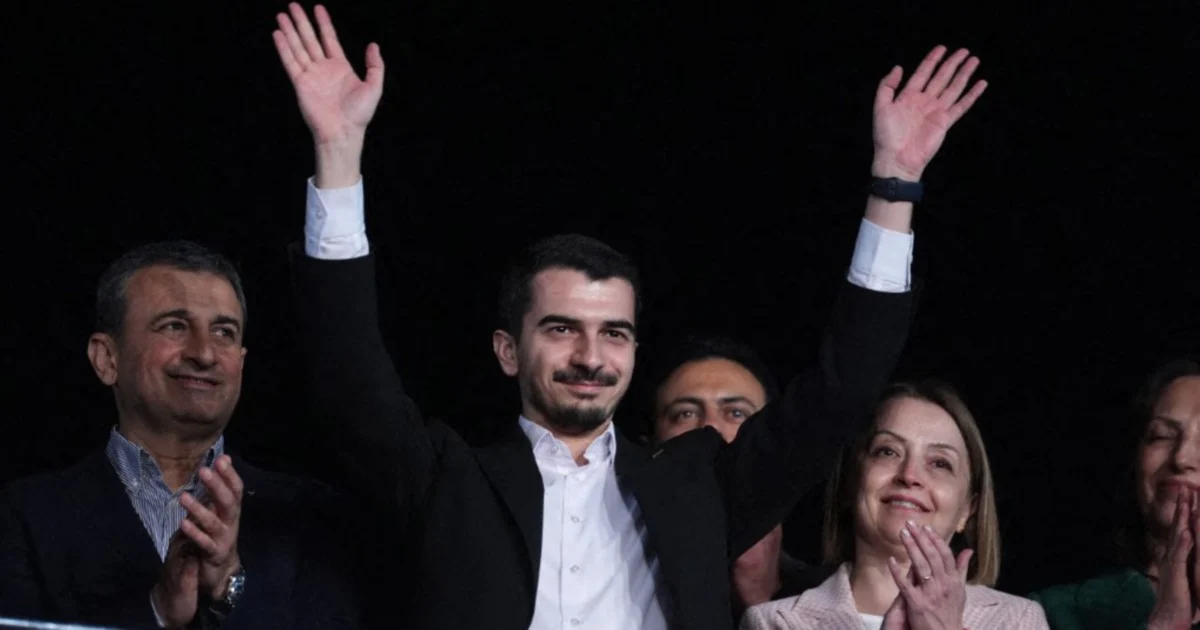
Turkish law enforcement authorities have launched a sweeping corruption investigation targeting 36 individuals, among them the mayor of a district in Ankara governed by the country's main opposition faction. The detention orders were issued by prosecutors in the capital city following an inquiry into allegations of systematic bribery and irregularities in government contracting processes. This operation signals intensified scrutiny of municipal-level officials and suggests tensions between the judicial system and opposition-led local administrations remain high across Turkey's political landscape.
The investigation centres on accusations of tender manipulation and bribery within municipal procurement operations. Turkish authorities have long grappled with corruption concerns at the local government level, where contracts for public works and services generate significant financial stakes. The decision to detain individuals at this scale indicates prosecutors believe they have uncovered an organised pattern of wrongdoing rather than isolated incidents. Such investigations typically examine chains of communication, financial transfers, and bidding documentation to establish whether officials steered lucrative contracts toward favoured companies in exchange for personal gain.
The inclusion of an opposition-affiliated mayor within the detention orders underscores a recurring concern in Turkish politics: the question of whether anti-corruption operations are applied uniformly across ideological lines. The opposition Republican People's Party controls several municipalities in major cities, with Ankara representing a particularly significant stronghold. Previous corruption investigations have occasionally sparked debate about selective enforcement, though Turkish prosecutors maintain they pursue cases based on evidence rather than political affiliation. The specific allegations and supporting evidence behind these detentions will likely become clearer as the investigation progresses through formal proceedings.
Municipal governance in Turkey wields considerable financial influence over urban development, infrastructure maintenance, and service delivery. Ankara, as the nation's capital and seat of government, holds strategic importance politically and administratively. The district in question likely manages significant budgets for schools, roads, waste management, and social services. When such resources become subject to corruption, the impact extends beyond financial misappropriation to undermine public trust in local institutions and potentially compromise service quality for ordinary citizens.
This detention order reflects broader governance challenges facing Turkey as it attempts to strengthen institutional accountability mechanisms. International observers and local civil society organisations have periodically raised concerns about the independence and impartiality of Turkey's judicial system. Investigations that span both government and opposition figures may help demonstrate that corruption is pursued regardless of partisan alignment, though individual cases often become flashpoints for debate about institutional credibility. The legal proceedings ahead will test whether evidence supports the allegations and whether due process protections are observed throughout.
For Southeast Asian observers, Turkey's municipal corruption struggles offer instructive parallels. Regional countries including Malaysia, Indonesia, and the Philippines have similarly grappled with local government corruption, where decentralised fiscal authority creates opportunities for malfeasance. The challenge of maintaining consistent anti-corruption enforcement across different political administrations remains acute throughout the region. Turkey's approach—whether ultimately successful or controversial—may inform ongoing debates about how to strengthen procurement transparency and oversight at grassroots governance levels.
The scope of this investigation, encompassing 36 individuals, suggests prosecutors pursued multiple threads linking various officials, business figures, and potentially intermediaries. Such large-scale operations typically require months of preliminary investigation, surveillance, and document analysis before arrest warrants issue. The coordination across multiple institutional levels indicates the Ankara prosecutor's office allocated substantial investigative resources to this matter, reflecting its perceived seriousness within the judicial system.
As detainees move through Turkey's legal processes, their cases will proceed through preliminary hearings where judges determine whether sufficient grounds exist to continue detention or impose alternative measures. Defence teams will likely challenge the scope of allegations and contest evidence presentation. These procedural steps will clarify the specific charges each individual faces and reveal details about the alleged schemes. Public disclosure of evidence and allegations through court proceedings should provide clarity about the investigation's foundation.
The timing and execution of this operation carries political resonance beyond its narrowly legal dimensions. Opposition parties and civil liberty advocates typically scrutinise major corruption investigations affecting their own officials, while government supporters may view comprehensive enforcement positively. Turkish media outlets across the political spectrum will cover these cases closely, as will international observers tracking rule-of-law developments. The manner in which authorities conduct investigations and prosecutions, and whether courts deliver verdicts based on evidence, contributes to broader assessments of institutional independence and democratic health.

