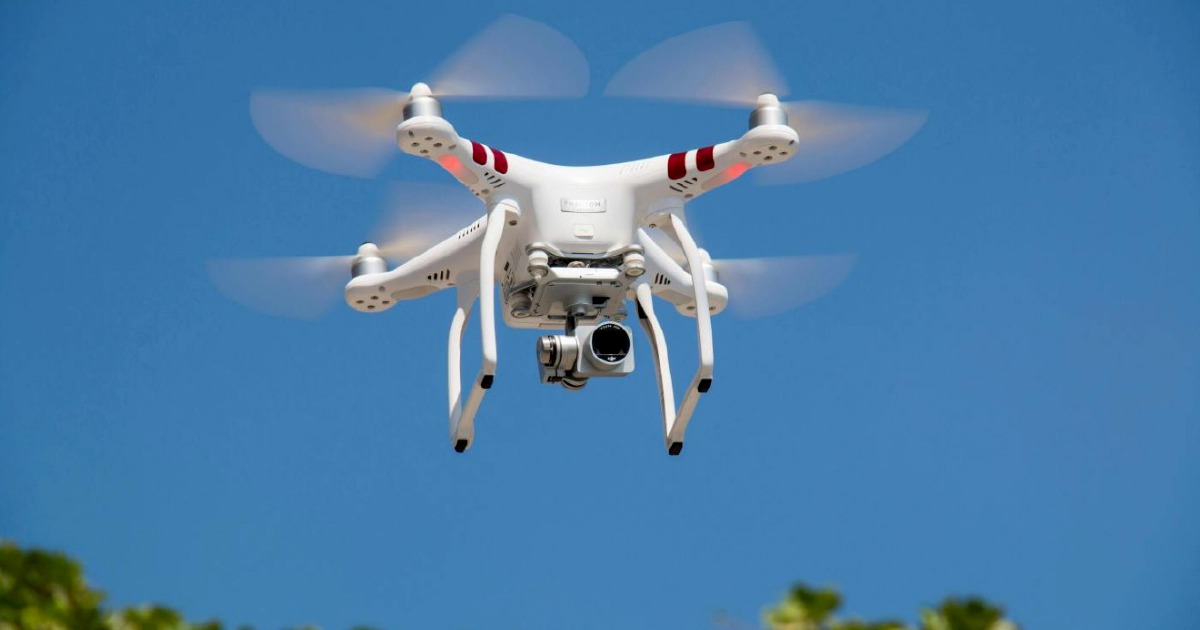
Authorities in Melaka have apprehended two suspects in connection with an audacious attempt to smuggle contraband tobacco into Sungai Udang Prison using unmanned aerial technology. The operation, which unfolded on Wednesday, culminated in a targeted raid of a house located within the Taman Kris Satria residential neighbourhood in Sungai Udang, where police discovered evidence linking the pair to the alleged scheme.
The use of drones to circumvent prison security measures represents an evolving challenge for Malaysian correctional institutions. Over recent years, law enforcement agencies across the region have grappled with increasingly sophisticated methods employed by networks seeking to supply restricted items to incarcerated individuals. The lightweight nature of unmanned aircraft, combined with their ability to operate with minimal human presence at the point of delivery, makes them an attractive vehicle for such illicit activities. Prison management officials have previously acknowledged that aerial smuggling presents a vulnerability requiring enhanced detection and prevention protocols.
Tobacco smuggling into detention facilities carries particular significance given ongoing efforts by Malaysian health authorities to curb smoking prevalence and nicotine dependency. When contraband enters correctional environments, it not only violates prison regulations but also undermines rehabilitation objectives and creates internal economy systems that can fuel violence, gambling, and other criminal enterprise within institutional walls. The commodification of restricted goods within prison populations often generates tension between inmate factions competing for control of supply networks.
The Sungai Udang facility, located in Melaka's Sungai Udang district, ranks among the country's significant correctional institutions. As a major detention centre within the state, it houses a substantial inmate population and maintains considerable operational complexity. Institutional security protocols typically include perimeter fencing and surveillance systems, yet the low-altitude approach capability of consumer-grade drones can evade conventional ground-level detection mechanisms. Prison authorities must continuously adapt security infrastructure to address such emerging threats.
The Taman Kris Satria neighbourhood, where officers executed the Wednesday search, lies in proximity to the prison facility itself, potentially suggesting coordination between external operatives and the targeted delivery location. The geographic proximity provides a tactical advantage for smuggling operations, as individuals coordinating drone flights from nearby residential areas maintain visual contact with delivery zones while remaining at a distance that complicates immediate apprehension.
Police investigations into the case will likely focus on establishing the connection between the arrested individuals and any potential networks operating within the prison or coordinating activities from outside. Authorities typically seek to identify whether the suspects were mere operatives executing a single transaction or participants in a larger smuggling enterprise with multiple delivery attempts. Such investigations frequently reveal supply chain connections extending into broader criminal organisations.
The incident highlights growing concerns about technology-enabled smuggling operations affecting Southeast Asian correctional systems. Neighbouring countries including Thailand, Indonesia, and the Philippines have reported similar drone-based smuggling attempts targeting detention facilities, suggesting a regional trend that demands coordinated law enforcement responses. Intelligence sharing and best practice protocols among prison authorities across the region could strengthen collective capacity to counter such threats.
Correctional authorities in Malaysia have previously invested in counter-drone technology and training programmes designed to identify and neutralise aerial intrusions. However, the rapid proliferation of affordable drone models presents resource challenges for institutional security operations. Budget constraints often limit the deployment of advanced detection systems across all facilities, creating disparities in security posture between major institutions and smaller detention centres.
The arrest of these two individuals may signal to other potential smuggling networks that authorities maintain active investigation capability and operational readiness. Conversely, successful interdictions sometimes prompt adaptations in methodology, with networks exploring alternative delivery mechanisms or timing strategies. The cat-and-mouse dynamic between contraband networks and enforcement agencies continues to evolve, requiring sustained operational pressure and intelligence development.
For Malaysian readers, this incident underscores ongoing challenges facing the correctional system as it balances custody, rehabilitation, and security objectives. The sophisticated nature of modern smuggling attempts demands continuous investment in technology, training, and inter-agency cooperation. As the case proceeds through investigation and potential prosecution, it will provide insight into how organised the tobacco smuggling networks operating in Melaka have become, information that could inform broader correctional policy development. The incident also reinforces why prison security modernisation remains a priority for the government as it seeks to maintain institutional integrity while managing the practical limitations of physical security infrastructure.

