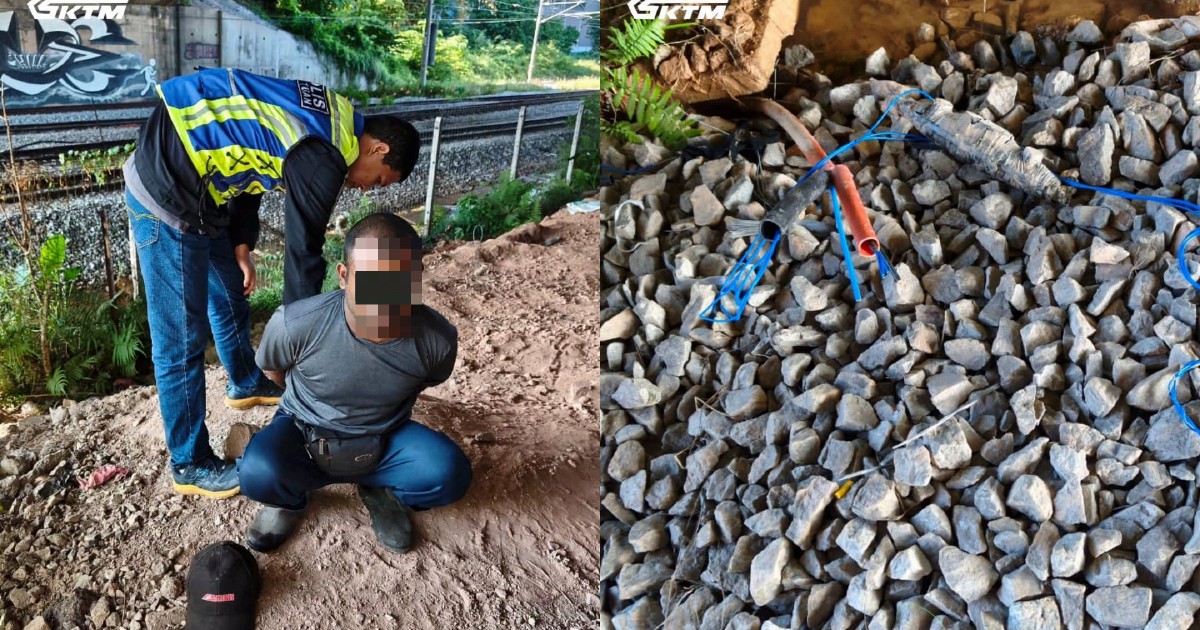
Auxiliary police officers attached to Keretapi Tanah Melayu Bhd have arrested two individuals caught attempting to steal railway cables in Shah Alam, in what marks the latest incident of railway infrastructure theft affecting Malaysia's rail network. The apprehension underscores the persistent security challenges faced by the national railway operator in protecting its critical assets from organised theft rings targeting valuable copper and other metal components.
The arrests were executed in Shah Alam, a major industrial and residential hub in Selangor that sits along several important rail corridors. Officers from KTMB's auxiliary police force detected and intercepted the suspects during their attempt to strip and remove cables from railway infrastructure, preventing what could have constituted significant damage and operational disruption. The swift intervention demonstrates the importance of ground-level surveillance and rapid response capabilities in deterring such criminal activity.
Railway cable theft has emerged as a recurring challenge for KTMB and other transport operators across Southeast Asia, driven by the high scrap metal value of copper and aluminium components used extensively in rail electrification and telecommunications systems. Thieves typically target sections of track during off-peak hours or in areas with reduced security presence, removing cables to sell to scrap metal dealers who often operate with minimal oversight. The accessibility of railway infrastructure in urban areas like Shah Alam, combined with valuable materials, creates attractive targets for criminal elements seeking quick financial returns.
The impact of such thefts extends far beyond the immediate cost of replacing stolen materials. Damage to railway cables disrupts signal systems, power supply to trains, and communication networks—potentially affecting service schedules and passenger safety across entire corridors. KTMB has struggled with aging infrastructure, limited budgets, and vast tracts of railway lines to monitor, making comprehensive security an ongoing operational challenge. Each incident diverts maintenance resources away from planned upgrades and routine upkeep.
The role of KTMB's auxiliary police force in this arrest highlights the critical importance of dedicated railway security personnel. Unlike general police forces stretched across broader crime prevention duties, auxiliary police embedded within transport operators can deploy targeted patrols, establish checkpoints, and maintain continuous presence along vulnerable sections of track. Their presence serves both as an active deterrent and as a rapid-response mechanism when theft attempts are detected.
Scrap metal markets have inadvertently facilitated cable theft by creating consistent demand and profitable resale channels for stolen materials. Organised crime syndicates coordinate multi-stage operations involving spotters, theft teams, and disposal agents who move materials quickly through scrap dealers before law enforcement can trace them. Addressing this supply chain requires cooperation between police, customs authorities, and scrap metal industry regulators to tighten oversight of materials purchasing and establish documentation requirements that create accountability.
The Shah Alam incident occurs within a broader context of infrastructure crime affecting Malaysia's transport networks. Beyond railways, electricity distribution lines, telecommunications cables, and construction site materials face similar pressures from metal thieves. The cumulative effect of these thefts imposes hidden costs on consumers through increased operational expenses, service disruptions, and maintenance burdens absorbed by operators and ultimately reflected in fares and service quality.
For Malaysian commuters and businesses relying on rail services, such disruptions translate to missed connections, delayed deliveries, and reduced confidence in transport reliability. Kuala Lumpur's expansion of the Klang Valley rail network has increased the total cable infrastructure requiring protection, multiplying security challenges. Companies and individuals depending on consistent rail schedules face cascading costs when services are disrupted due to theft-induced damage.
The successful apprehension in Shah Alam demonstrates that proactive security measures can yield results. However, sustained effectiveness requires adequate funding, personnel deployment, and coordination with law enforcement agencies. KTMB must balance reactive responses to detected theft attempts with preventative measures including improved fencing, surveillance technology, and increased patrol frequency in high-risk zones.
Prosecution and conviction of cable thieves serve as important deterrents, signalling that such criminal activity carries meaningful legal consequences. Malaysia's courts have increasingly treated infrastructure theft seriously, recognising the broader public harm beyond simple property crime. Sentencing that reflects the severity of disruption and cascading consequences encourages both potential offenders to consider alternatives and law enforcement to prioritise investigation and prosecution.
Looking forward, KTMB and transport authorities across the region must explore integrated security approaches combining personnel, technology, and community engagement. Digital monitoring systems, real-time alerts, and mobile response teams can improve detection speed. Simultaneously, engaging communities living adjacent to railway lines to report suspicious activity and collaborate with authorities transforms nearby residents into force multipliers for security efforts.
The Shah Alam arrests represent a tactical success in combating railway theft, yet the broader challenge demands strategic commitment to infrastructure protection, supply-chain oversight of scrap materials, and coordination across security, legal, and regulatory institutions to effectively disrupt organised cable theft operations.

