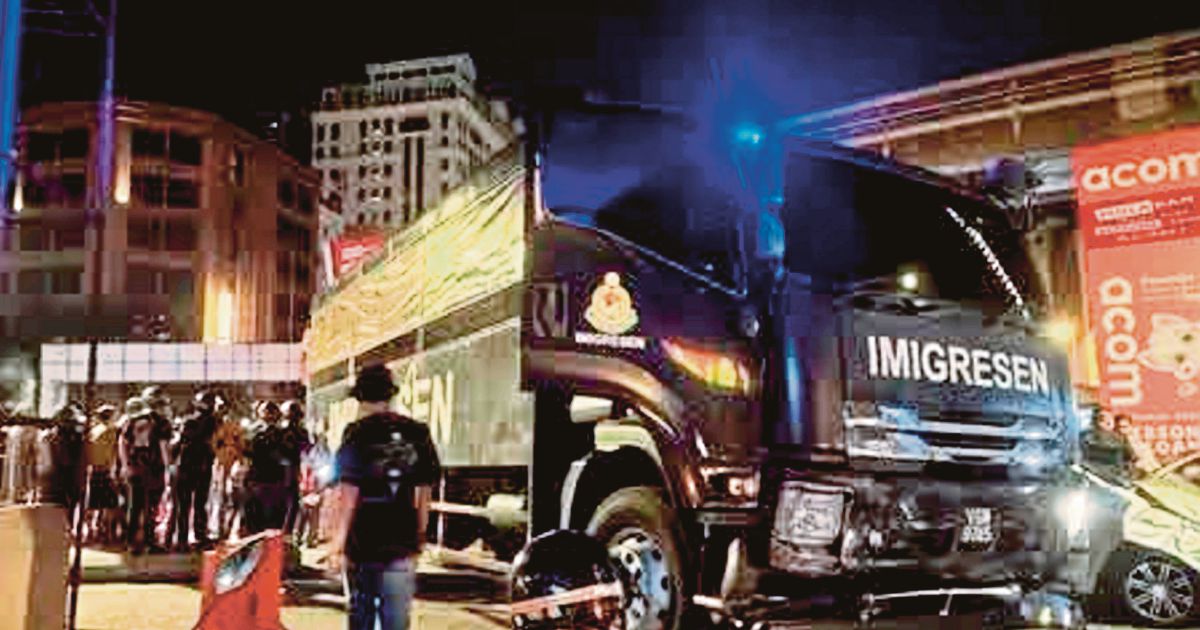
Police have ordered the remand of two drivers implicated in a fatal traffic collision that occurred on Jalan Sultan Ismail in the early hours of today. The incident, which involved an Immigration Department lorry, resulted in the deaths of a father and his two daughters, marking a tragic loss for a single family. The remand decision follows preliminary investigations into the circumstances surrounding the crash, which shocked residents of the capital.
The collision highlighted the dangers of early-morning traffic on one of Kuala Lumpur's major thoroughfares. Jalan Sultan Ismail, a significant artery connecting different parts of the city, experiences variable traffic flow during the early hours, when visibility can be compromised and driver fatigue becomes a contributing factor. The involvement of a government vehicle—operated by the Immigration Department—has drawn public attention to the incident, raising questions about vehicle maintenance, driver training, and operational procedures.
The decision to remand both drivers signals that authorities are treating the matter with appropriate seriousness. Remands are typically ordered when investigators require additional time to gather evidence, conduct interviews, and determine the sequence of events leading to the collision. In cases involving fatal traffic accidents, police must establish whether mechanical failure, human error, or a combination of factors contributed to the tragedy.
The loss of three family members in a single incident underscores the devastating consequences that road accidents can have on households. Such tragedies often reverberate through extended family networks and communities, serving as stark reminders of the fragility of life. In Malaysia, where road safety remains a persistent public health concern, fatal collisions continue to prompt discussions about enforcement, infrastructure improvements, and driver accountability.
The involvement of an Immigration Department vehicle introduces an additional layer of scrutiny. Government vehicles are expected to adhere to the highest operational standards, including regular maintenance checks, driver certification, and adherence to traffic regulations. Any accident involving a state vehicle raises questions about whether protocols were followed and whether systemic improvements are necessary to prevent similar incidents.
Investigators will likely examine multiple factors as the case progresses. These may include vehicle maintenance records, whether the drivers possessed valid licenses and appropriate certifications, speed at the time of impact, weather conditions, and whether either driver was fatigued or distracted. Toxicology reports may be ordered if substance impairment is suspected. The remand period allows police access to CCTV footage from nearby businesses and traffic cameras, which may provide crucial evidence about the collision's sequence.
The judicial remand process, typically lasting up to four days with potential extensions, gives the investigating officer time to construct a comprehensive narrative of events. During this period, police can conduct reconstruction of the accident scene, interview witnesses, and consult with forensic experts. The courts will decide whether the remands should be extended based on the sufficiency of evidence gathered.
For Malaysian motorists and road safety advocates, this incident reinforces ongoing concerns about traffic management in urban areas. Early-morning commutes, when many drivers are transitioning to work, often coincide with reduced visibility and increased driver fatigue. The collision also raises questions about whether vehicle size and weight—factors that may apply to a lorry—pose particular risks in congested urban environments.
The outcome of the police investigation will likely inform ongoing discussions within relevant government agencies about transportation safety protocols. The Immigration Department, in particular, may undertake an internal review of its fleet management practices and driver training programmes. Such reviews, while often initiated only after tragic incidents, represent opportunities for systemic improvement.
Beyond the immediate investigation, this tragedy highlights the need for comprehensive road safety initiatives in Malaysia. These might include enhanced driver training programmes, stricter enforcement of traffic laws, improved road infrastructure, and greater public awareness campaigns. The loss of three family members in a single collision exemplifies the human cost of preventable accidents.
As the investigation progresses, the remanded drivers' legal representations will have opportunities to present their accounts of events. The courts will eventually determine whether charges are warranted and what form those charges might take. In fatal accident cases involving potential negligence, charges may range from dangerous driving causing death to culpable homicide, depending on the circumstances established during investigation.
The grieving family's loss extends beyond the immediate tragedy. Extended relatives, friends, and colleagues will mourn the loss of three individuals, and questions about accountability and justice will persist throughout the legal proceedings. Meanwhile, the broader Malaysian community is reminded, once again, of the critical importance of road safety and the responsibility every driver bears toward protecting the lives of fellow road users.

