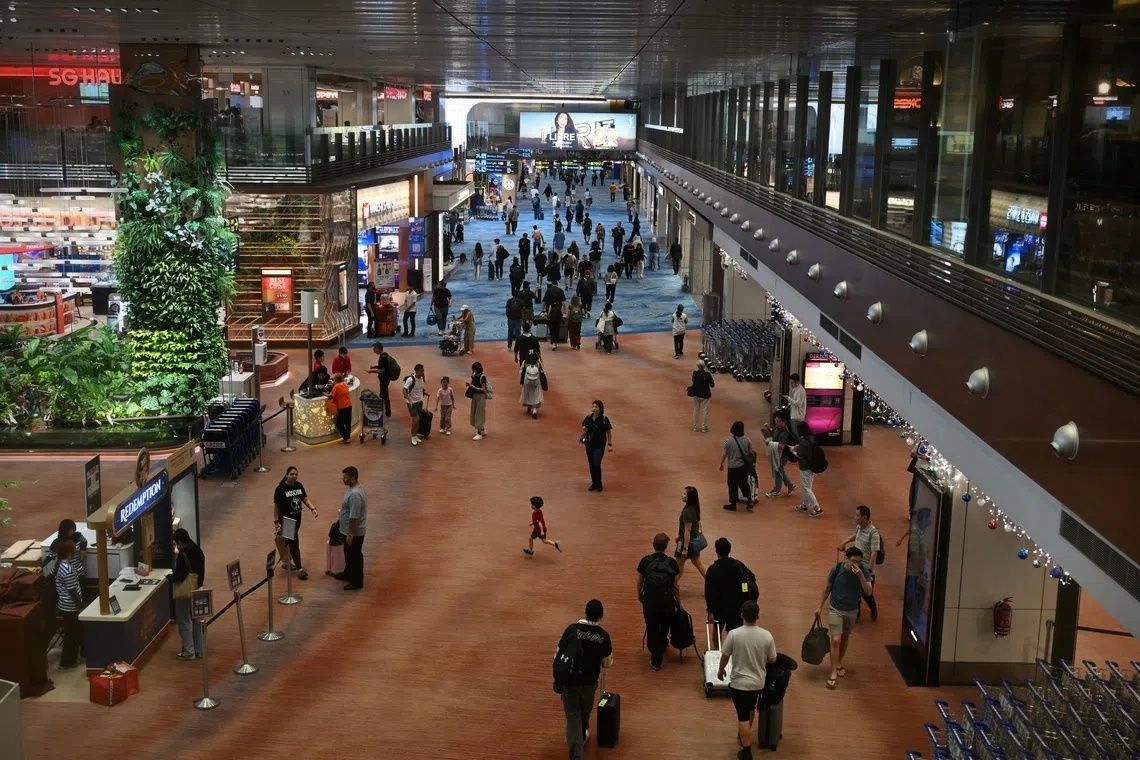
Singapore's airport police have arrested two foreign nationals in connection with separate perfume theft incidents at Changi Airport, underscoring how advanced surveillance technology continues to catch offenders even months after crimes occur. A 37-year-old Australian traveller and a 50-year-old American passenger now face court charges scheduled for August 17, with both implicated in thefts from the airport's lucrative transit retail zone. The cases highlight the vulnerability of high-value goods in busy airport environments and the persistent law enforcement capability that tracks transiting passengers across borders.
The Australian suspect's case began unfolding in mid-November when retail staff at a perfume outlet in Terminal 2's transit area reported missing merchandise. Security footage timestamp stamped at 4.50pm that evening captured the man placing two perfume boxes, valued at approximately S$430, into his possession before departing the store without payment. The thief managed to leave Singapore before officers could intervene, but his reprieve proved temporary. When he returned to transit through Changi Airport on August 4—more than eight months later—waiting police officers arrested him upon arrival, demonstrating the long-term investigative reach of Singapore's airport authorities.
The American traveller's detention occurred under markedly different circumstances, with law enforcement intervention happening swiftly enough to prevent his departure. Early on August 5, just before 1.30am, staff discovered a missing perfume box from a Terminal 1 retail display, valued at over S$310. CCTV analysis revealed the man had taken the item approximately ten minutes before discovery, around 12.40am. Crucially, airport police managed to locate and detain him before he could board his departing flight, preventing his immediate escape.
What initially appeared to be a single theft evolved into a more significant investigation. Further examination of security footage uncovered a pattern of selective shopping by the American suspect. Beyond the initial perfume box, officers identified two additional thefts from separate retail locations within the transit area: another perfume box valued at approximately S$170 and a perfume tester bottle priced at over S$230. The cumulative value of items recovered from this single offender exceeded S$717, suggesting either deliberate stockpiling or opportunistic acquisition of high-margin luxury goods.
The targeting of perfume products reflects a broader pattern in airport retail theft. Fragrances occupy a peculiar position in duty-free merchandise—they command premium prices, possess relatively small footprints making concealment straightforward, and carry resale value in informal markets. The Changi Airport environment, with its constant flow of international passengers and transiting travellers with limited time, creates particular vulnerabilities. Unlike traditional retail spaces where staff can closely monitor customer movement, airport transit zones serve passengers in transit who may spend only brief periods in shops before boarding.
Singapore's legal framework treats such incidents seriously under theft statutes applicable to buildings and residences, which encompass commercial spaces. The charge carries potential penalties of up to seven years imprisonment, substantial fines, or both—sentences reflecting Parliament's intent to deter property crimes in public commercial spaces. For foreign nationals, conviction carries additional consequences including potential deportation and immigration blacklisting that could restrict future travel through Singapore and partner countries.
ACP M. Malathi's statement following the arrests emphasized that surveillance advancement represents a fundamental shift in detection capabilities. Modern CCTV systems deployed throughout Changi Airport—one of the world's busiest aviation hubs—provide continuous high-definition recording with timestamp precision. This technological infrastructure creates a comprehensive forensic record that investigators can review after-the-fact, enabling identification even when offenders initially escape immediate apprehension. The Australian case particularly demonstrates this capacity; the eight-month gap between theft and arrest would have been impossible to bridge without sophisticated video analysis and cross-reference systems.
The police's commitment to pursuing suspects across time and borders carries significant implications for regional travel security. Singapore positions itself as a secure, well-regulated transit hub competing for premium international traveller traffic. Demonstrating that theft will result in arrest—even months later during subsequent transits—creates a deterrent effect that protects retailer interests and maintains the airport's reputation. For Malaysian travellers and businesses, this commitment to enforcement means heightened security for purchasing at Changi Airport, though it also underscores the potential consequences of opportunistic or organized retail theft at regional hubs.
The cases also raise questions about retail vulnerability at major airports throughout Southeast Asia. Changi's multilayered security and surveillance represent best-in-class infrastructure, yet determined offenders still attempted thefts. Other regional airports, particularly those with newer or less comprehensive surveillance systems, may face elevated risks. Malaysian airports including KLIA and Penang International, which serve significant transit populations, confront similar pressures to balance customer convenience with security protocols that prevent retail losses.
Coordination between Changi's airport police unit and retail stakeholders appears instrumental in these successful outcomes. The statement indicates ongoing partnership mechanisms through which retailers alert authorities to discrepancies and violations. This collaborative approach, where shop staff understand procedures for reporting suspicious activity and police respond with investigation resources, creates a comprehensive deterrent system. The recovery of all stolen merchandise in the American suspect's case suggests effective coordination allowing police to intercept goods before disposal or smuggling.
Looking forward, these arrests carry broader implications for international travel security and passenger screening. Border control and airport security agencies throughout the region increasingly recognize that transit passengers present simultaneous opportunities and risks. High-value travellers seeking seamless experiences conflict with security imperatives requiring screening and surveillance. The perfume thefts represent relatively minor offences compared to drug trafficking or weapons smuggling, yet they occupy the same security infrastructure, dividing attention and resources. How effectively airports balance retail security with passenger experience remains an ongoing challenge.
For Malaysian readers and businesses with interests in regional aviation infrastructure, these cases underscore why investment in modern surveillance and enforcement capabilities matters. As tourism and business travel increase throughout Southeast Asia, airports competing for international traffic must demonstrate both accessibility and security. Changi's performance in this case—apprehending offenders even at significant temporal distance—reinforces its market positioning. For Malaysia's aviation sector, the cases suggest competitive pressure to match these enforcement standards and demonstrate similar commitment to protecting both retail operators and passenger security at major hubs.

