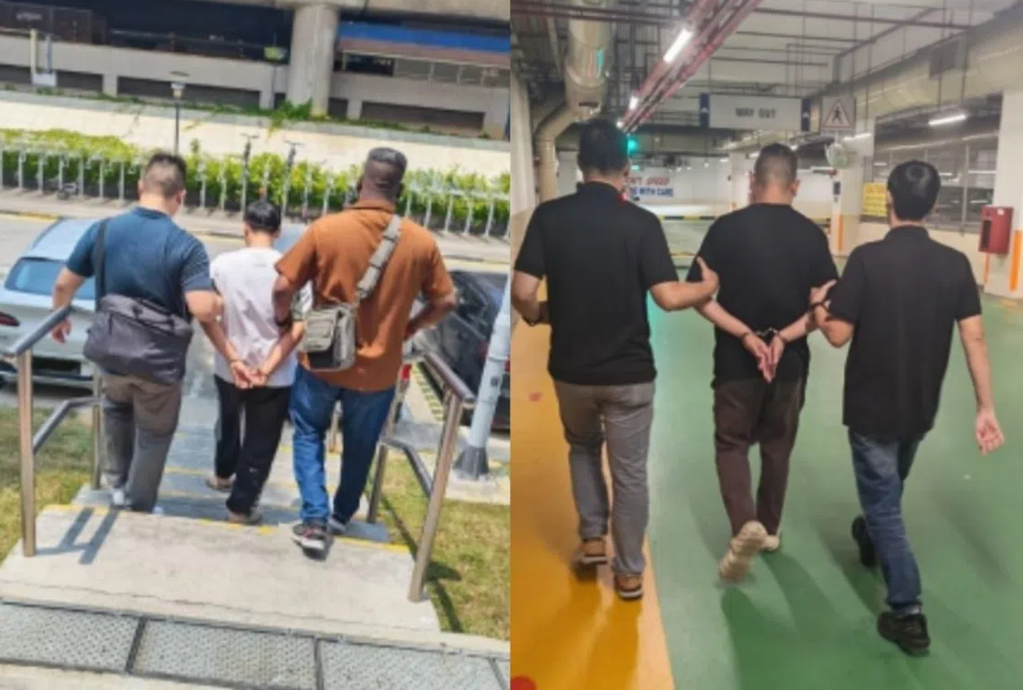
Two Malaysian employees working at mobile phone retailers in Singapore were taken into custody on Tuesday, August 25, following police allegations that they orchestrated a scheme involving the unauthorised access and misuse of customer Singpass accounts. The suspects, aged 25 and 47 respectively, are accused of systematically obtaining login credentials from unsuspecting patrons and leveraging those details to establish fraudulent LiquidPay e-payment accounts, the Singapore Police Force confirmed in a statement released on August 26.
The modus operandi centred on exploiting moments of customer vulnerability during routine transactions. In at least one documented case, one of the accused took advantage of a customer seeking assistance with Singpass credential updates while purchasing a SIM card. Rather than simply updating the legitimate account details, the suspect allegedly used the provided credentials to surreptitiously establish a LiquidPay digital wallet account in the victim's name without permission. This approach proved particularly effective because it capitalised on the inherent trust customers place in retail staff and the routine nature of such administrative requests.
LiquidPay, the platform at the centre of the scheme, operates as a digital wallet and payment application managed by Singapore-based fintech company Liquid Group. The service allows users to store funds and execute digital transactions, features that make it an attractive vehicle for criminals seeking to receive and consolidate illicit proceeds. The compromised accounts created through this scheme appear to have been specifically designed to function as receiving points for money obtained through various fraud operations.
The scale of the operation became apparent during deeper investigation. Police discovered that the activities of these two suspects extended far beyond isolated incidents. Authorities identified more than 170 Singaporean and foreign workers whose Singpass accounts had been compromised and linked to similar fraudulent activities. Of these, over 160 additional LiquidPay accounts had been unlawfully created, each established without the knowledge or consent of the account holders.
Financial analysis of these illicit accounts revealed the magnitude of criminal proceeds flowing through the network. Since early March 2026, at least 20 Singapore citizens and work permit holders have come under police investigation for registering LiquidPay accounts that collectively received approximately S$110,063 sourced from an array of scam operations. This figure likely represents only a portion of the total fraud ecosystem, as investigations remain ongoing and additional proceeds may yet surface.
The operation that led to the arrests represented a coordinated enforcement effort between multiple government agencies. The Singapore Police Force's Cyber Command division spearheaded the investigation, working collaboratively with the Singpass Trust & Safety team operating within the Government Technology Agency of Singapore. This inter-agency approach reflects the increasing sophistication of digital identity crimes and the necessity for law enforcement to maintain specialised capabilities in investigating cyber-enabled fraud.
The legal consequences facing the two accused are substantial. They are scheduled to appear in court on August 27 to face charges of assisting another to retain benefits derived from criminal conduct. This particular offence carries a potential prison sentence of up to 10 years, a maximum financial penalty of S$500,000, or both punishments imposed concurrently. The severity of the charge underscores the seriousness with which Singapore authorities treat crimes involving the laundering of illicit proceeds through digital payment platforms.
The investigation has also uncovered a concerning secondary dimension to this criminal enterprise. Police are pursuing ongoing inquiries into the conduct of Singpass users who voluntarily surrendered their account credentials to third parties. While less culpable than the individuals actively exploiting these credentials, the relinquishment of government authentication details itself constitutes an offence under Singapore law. Those found guilty of knowingly providing their Singpass credentials to others face a maximum prison term of three years and a fine not exceeding S$10,000.
For Malaysian readers and citizens, this case carries particular relevance. The involvement of Malaysian nationals in an operation targeting Singapore's critical digital infrastructure highlights the transnational nature of contemporary financial crime. The ease with which perpetrators based in Malaysia—working at legitimate retail establishments—could access and exploit Singapore's e-wallet ecosystem demonstrates the vulnerabilities that persist even within heavily regulated financial technology environments. The fact that two individuals with direct access to customer information could orchestrate such a sophisticated scheme suggests that identity verification and account security protocols require continuous refinement.
The broader implications extend across Southeast Asia's digital economy. As more nations accelerate the digitalisation of government services and the adoption of e-wallet platforms for financial inclusion, the risks of credential compromise and account takeover fraud will intensify. The Singapore case demonstrates that technical security measures alone prove insufficient; they must be complemented by rigorous staff training, customer awareness programmes, and cross-border law enforcement cooperation.
For Malaysian financial regulators and technology companies, the Singpass incident offers an instructive warning about the gaps that criminal elements can exploit. Many Malaysian retailers similarly maintain access to customer identification data and payment system credentials. The incident should prompt local businesses to reassess their protocols for handling sensitive customer information and to implement stronger authentication measures that make credential reuse more difficult. Enhanced staff vetting and monitoring of account access patterns could help identify suspicious behaviour before substantial fraud losses accumulate.
The investigation and arrests mark an important enforcement victory for Singapore's cyber authorities, but the broader operation likely extends further. The involvement of a suspected criminal syndicate suggests that these two individuals represent only the operational front end of a larger network. As police continue their investigations into the various LiquidPay accounts and the individuals who registered them, the full scope of the scheme may reveal additional layers of organisation and potentially additional perpetrators operating across multiple jurisdictions.

