Two Malaysian citizens injured in an improvised explosive device attack in Thailand's Narathiwat province have successfully returned to Malaysia and are receiving ongoing medical care in Kelantan, Malaysia's Foreign Ministry announced this week. The victims were discharged from Naradhiwas Rajanagarindra Hospital in Narathiwat with assistance from local Thai authorities before being transported across the border at the Sungai Golok-Rantau Panjang crossing, where they completed Malaysian immigration procedures with coordination from the Consulate General of Malaysia in Songkhla.
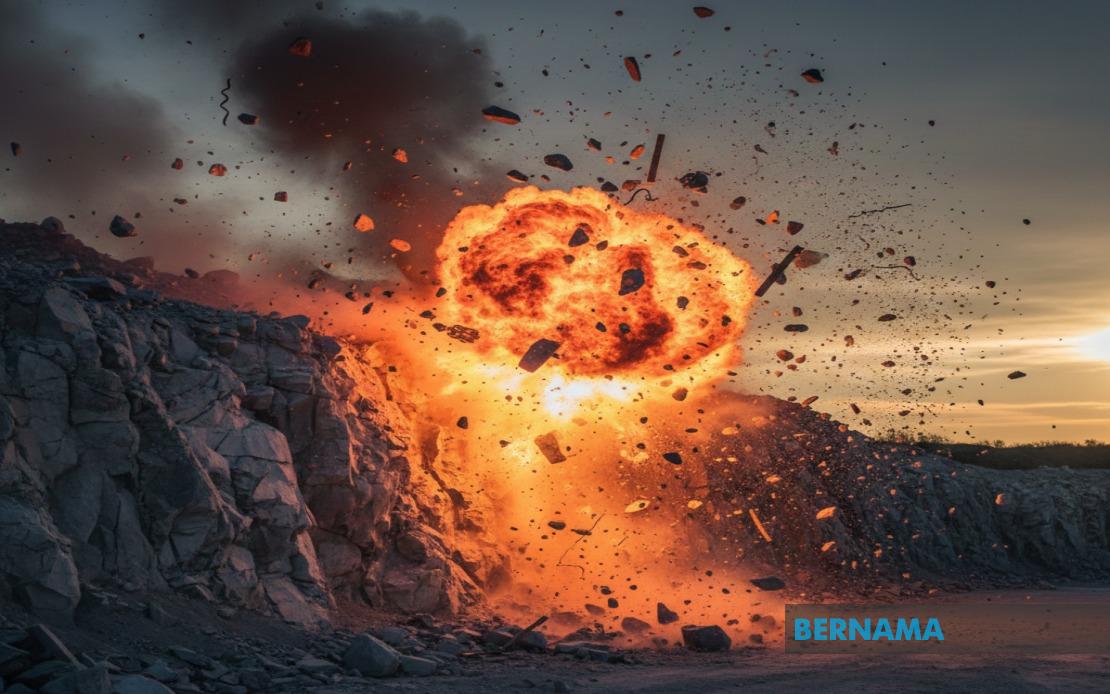
The incident occurred on Monday when the two Malaysians were travelling in a sport utility vehicle near the Sapom intersection in Tak Bai district when an explosive device hidden beneath a roadside culvert detonated at approximately 11.40 am local time. Thai security officials immediately launched an investigation, with explosive ordnance disposal and forensic teams examining the blast site to gather evidence about the attack's circumstances and origins. Initial assessments from Thai authorities indicated that the Malaysians were not the intended targets, suggesting the bombing was likely directed at other objectives or individuals in the area.
The attack reflects the persistent security challenges in Thailand's deep southern provinces, which have experienced decades of low-intensity insurgent activity and occasional violence. The region, comprising Narathiwat, Yala, and Pattani provinces, remains under heightened security protocols due to the ongoing southern Thailand insurgency, which has claimed thousands of lives since the 1960s. Roadside bombings remain a tactic employed by suspected separatist insurgents, though such attacks occasionally catch civilians and cross-border travellers in their vicinity, underscoring the unpredictability and indiscriminate nature of such violence.
Malaysia's Foreign Ministry commended the Thai government and local authorities in Narathiwat for their swift response and cooperation in managing the situation and ensuring the victims' safe passage to Malaysia. The coordinated effort between Malaysian consular staff in Songkhla and Thai border authorities at Rantau Panjang facilitated rapid medical evacuation and immigration clearance, demonstrating the bilateral coordination mechanisms that exist between the two nations on security and humanitarian matters. Such cooperation is essential given Malaysia's geographic proximity to Thailand's restive southern provinces and the regular cross-border movement of Malaysian citizens for work, commerce, and travel.
The incident underscores the ongoing security risks faced by Malaysian travellers and residents in Thailand's southern border regions. Although such attacks are relatively infrequent and rarely target foreign nationals specifically, the danger of being caught in collateral blast zones remains real. The Foreign Ministry has consequently renewed its advisory to Malaysians in or transiting through Thailand's southern provinces, urging them to maintain heightened vigilance, exercise personal security awareness, and adhere strictly to safety instructions issued by local Thai authorities. This guidance reflects standard protocol following security incidents, intended to minimise further risk exposure.
The Narathiwat blast represents one of dozens of similar incidents that occur annually in Thailand's southern provinces, though most attract minimal international attention. The region has long been a flashpoint for sporadic violence related to the southern insurgency, which encompasses various separatist groups and militant organisations with differing ideological motivations and operational capacities. While major terrorist attacks occasionally capture headlines, the chronic lower-level violence—including bombings, shootings, and arson—creates a baseline of insecurity that affects residents and visitors alike. For Malaysia, which shares a 640-kilometre land border with Thailand and has substantial economic and people-to-people ties with the neighbouring country, managing security risks in cross-border areas remains an ongoing policy consideration.
The successful repatriation of the two victims and their transfer to Kelantan medical facilities demonstrates Malaysia's capacity to respond swiftly to citizens in distress abroad, leveraging its diplomatic presence and consular infrastructure. The involvement of the Consulate General in Songkhla, which oversees Malaysian interests in Thailand's southern region, ensured that administrative barriers were minimised and medical evacuation prioritised. This institutional coordination reflects years of experience managing similar situations and maintaining functional relationships with Thai counterparts despite periodic diplomatic tensions between the two nations on other issues.
Looking forward, the incident serves as a reminder of the complex security environment along the Malaysia-Thailand border. While bilateral relations between Kuala Lumpur and Bangkok remain generally cordial at the governmental level, the persistent instability in Thailand's southern provinces creates an environment where accidents and unintended casualties can occur. Malaysian policymakers and security officials monitor developments in the region closely, balancing the imperative to maintain open borders and facilitate legitimate cross-border commerce and movement with the necessity to protect citizens from emerging security threats.
The Foreign Ministry's statement emphasised its intention to continue monitoring the situation through its Songkhla consulate, reflecting the ongoing attention devoted to security matters in the region. This vigilance is particularly important given that Malaysian citizens, whether long-term residents, temporary workers, or cross-border traders, constitute a significant presence in Thailand's southern provinces. Any deterioration in security conditions or escalation of insurgent activity could have direct implications for Malaysian nationals, necessitating proactive diplomatic engagement and coordination with Thai authorities to ensure their protection and facilitate rapid response to future incidents.

