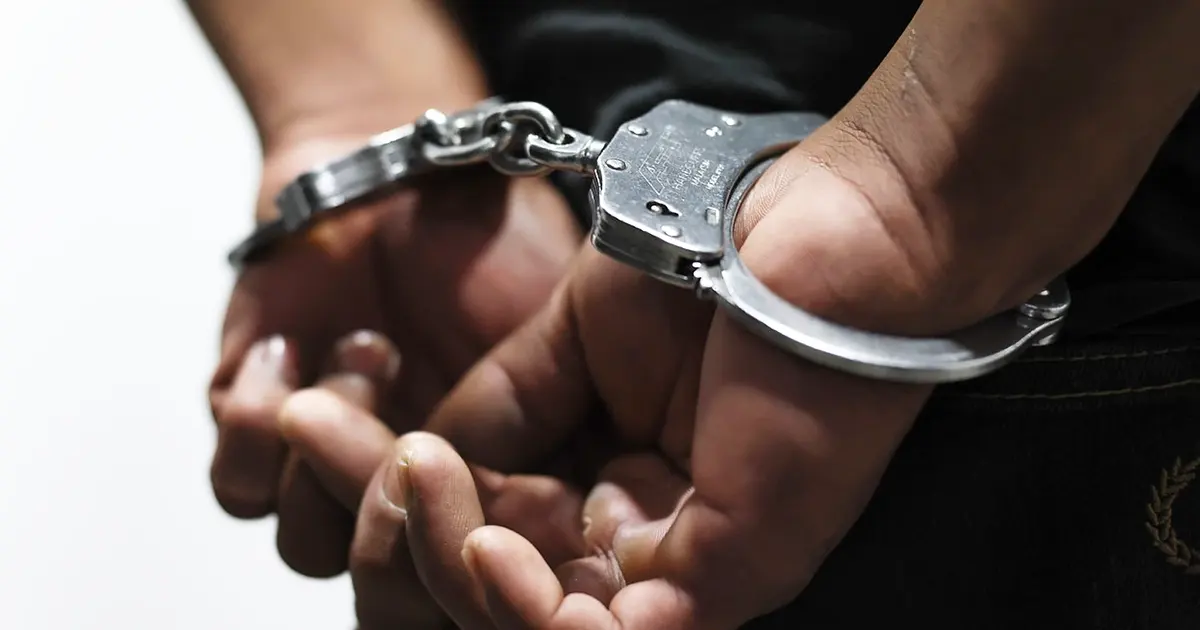
A hunting trip in an undisclosed location has resulted in criminal charges after the death of a companion, with law enforcement moving quickly to apprehend two suspects believed responsible for the fatal incident. Police investigations have centred on the theory that the shooting occurred accidentally, though the subsequent actions of the accused—specifically their decision to conceal the victim's remains—have elevated the severity of the case from a tragic mishap to a matter requiring prosecution.
The circumstances surrounding the shooting remain under active investigation, with authorities piecing together the sequence of events that led to the fatality. Initial accounts suggest that the two suspects were engaged in legitimate hunting activities when the incident unfolded, though standard safety protocols appear to have broken down at some critical juncture. The transition from an innocent recreational outing to a crime scene highlights how rapidly situations can deteriorate when firearms are involved, even among individuals familiar with hunting practices.
What has drawn particular scrutiny from investigators is the decision by the two men to hide the victim's body rather than immediately alerting authorities or seeking emergency assistance. This choice to conceal evidence and delay notification represents a significant departure from the expected response to an accidental shooting, effectively transforming their legal exposure from potential negligence to more serious charges. The panic that police believe motivated this concealment suggests the men may have feared the consequences they would face, though their actions ultimately compounded the gravity of their situation.
The arrest and detention of both men signal that authorities have gathered sufficient preliminary evidence to proceed with formal charges. Malaysian law enforcement agencies take hunting-related deaths seriously, particularly when evidence suggests attempts to obstruct justice or mislead investigations. The decision to arrest both individuals indicates that police believe both played active roles in concealing the body, making them complicit in the cover-up regardless of which person's firearm caused the fatal wound.
Hunting accidents, while rare, represent a persistent concern in jurisdictions where recreational shooting is practised. Safety training and adherence to established protocols—including constant awareness of weapon positioning, careful identification of targets, and immediate reporting procedures—are designed specifically to prevent such tragedies. When accidents do occur despite these precautions, transparent cooperation with authorities becomes essential both for legal reasons and for the dignity of the deceased and their family.
The concealment of the body raises additional questions about the mindset and decision-making capacity of the two men during the critical hours following the shooting. Whether they acted under extreme emotional distress, genuine fear of legal consequences, or a combination of factors will likely be explored during legal proceedings. Understanding their motivations could prove important in determining appropriate charges and sentencing recommendations.
For Malaysian readers, this incident underscores the legal and ethical obligations that arise when accidents occur during recreational activities involving weapons. Malaysian law recognises distinctions between accidental death and intentional harm, but it does not excuse the obstruction of justice or the concealment of evidence. Individuals involved in any hunting-related incident have a legal and moral duty to report the matter to authorities promptly, regardless of whether the shooting was clearly accidental.
The case also highlights ongoing debates about hunting regulations and safety standards across Southeast Asia. Different jurisdictions maintain varying approaches to licensing hunters, conducting safety training, and enforcing compliance with protocols. Malaysia's approach to such incidents will likely serve as a reference point for neighbouring countries examining their own hunting frameworks and accident response procedures.
Family members of the deceased face not only the grief of losing a loved one but the additional trauma of discovering that their companion's body was hidden rather than reported. The emotional toll on these relatives, combined with their need for closure and clarity about the circumstances, adds another dimension to why swift and thorough investigation is essential. Their access to truthful information about what happened depends on the complete cooperation of witnesses and the systematic gathering of evidence by authorities.
As the investigation progresses, the focus will broaden to encompass firearms registration and ownership history of the accused, whether they held valid hunting permits, details of their safety training background, and their prior conduct during hunting activities. These factors could influence both the charges pursued and the sentences handed down following conviction. The legal system will also consider whether the two men's decision-making represented a momentary lapse under extreme stress or reflected broader patterns of recklessness.
The arrest of both men sends a clear message that concealing evidence or hindering investigations will not go unaddressed, even when the underlying incident was unintentional. Malaysian authorities are signalling that procedural compliance and truthfulness matter as much as the nature of the accident itself. This approach reinforces the importance of immediate transparency in any hunting-related emergency, as delayed reporting only introduces additional criminal liability.

