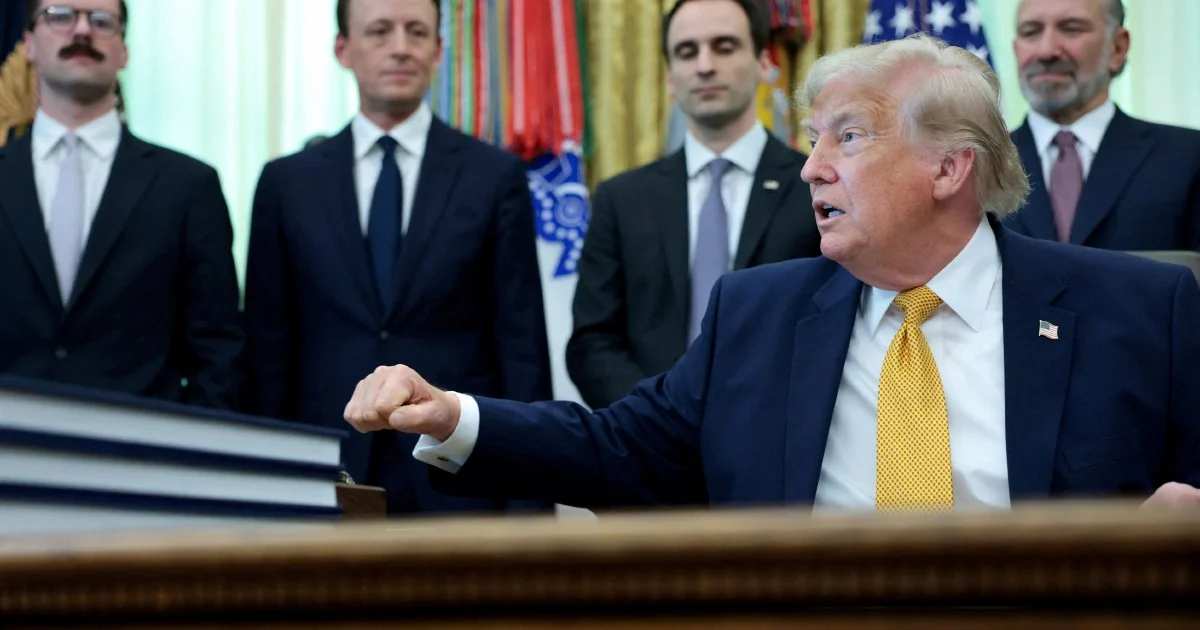
American law enforcement officials have expanded their investigation into an alleged threat against the White House, with the Justice Department announcing the arrest of two additional suspects on Monday. The individuals are connected to a purported plot to target the presidential residence during an event in which President Donald Trump was hosting a mixed martial arts competition on the White House lawn.
The escalating nature of these arrests underscores the evolving security landscape facing the US government. What began as initial investigations have now expanded to encompass multiple individuals allegedly involved in coordinating the alleged attack. The timing of the arrests, released through an official Justice Department statement, reflects the seriousness with which federal authorities are treating the matter.
The White House hosting a major sporting event like a UFC competition represents a highly visible and unprecedented security scenario. Such an event would require extensive coordination among Secret Service, law enforcement, and event security personnel. The convergence of thousands of spectators, media personnel, and security staff at a single location creates a complex operational environment where potential vulnerabilities must be carefully managed and monitored.
For Malaysian observers, this incident highlights the sophisticated nature of modern security threats facing world leaders. The alleged plot demonstrates how individuals might exploit large public gatherings as opportunities for attacks. Similar high-profile events held in Malaysia and Southeast Asia, including state functions, international conferences, and major sporting competitions, require comparable levels of vigilance and protective measures.
The Justice Department's methodical approach to these investigations—expanding the net of arrests incrementally rather than announcing multiple suspects simultaneously—suggests authorities are uncovering layers of alleged involvement. This investigative technique often indicates investigators are tracing connections between individuals, identifying coordinators versus participants, and potentially uncovering broader networks of concern.
The specificity of the alleged plot—targeting the White House during a particular event—raises questions about how such information came to light. Intelligence gathering, informant networks, or intercepted communications likely played crucial roles in alerting authorities to the threat. Understanding these mechanisms matters for regional security officials assessing how intelligence services worldwide collaborate to prevent attacks on high-level targets.
The use of a major sporting event as a backdrop for an alleged attack reflects broader patterns seen internationally. Large gatherings that attract diverse crowds and extensive media coverage can unfortunately become focal points for extremist attention. Southeast Asian nations hosting international sporting competitions or diplomatic conferences must maintain similar heightened awareness during such events.
The Justice Department's continued pursuit of additional suspects suggests the investigation remains active and ongoing. Prosecutors will need to establish clear evidence of conspiracy, coordination, and intent to prosecute those arrested. The legal definitions of conspiracy charges in the United States typically require proof that individuals agreed to commit an unlawful act and that at least one conspirator took an overt step in furtherance of that agreement.
For Malaysian security professionals and policymakers, these developments offer valuable lessons in threat assessment and prevention. The American experience demonstrates how federal law enforcement agencies coordinate across jurisdictions to identify and neutralize potential threats before they materialize. Such multilayered approaches—combining intelligence analysis, surveillance, and undercover operations—represent best practices in protective security.
The alleged plot's focus on a specific event also underscores the importance of event security planning at the highest levels. When government leaders participate in public events, detailed threat assessments must precede any gathering. Contingency planning, security perimeter establishment, and communication protocols between agencies all become critical operational elements that require months of preparation.
Regional security experts note that transnational dimensions often characterize modern security threats. Whether the individuals involved in this alleged plot had any connections to international networks or ideologies remains unclear from publicly available information. Such potential links would be of particular interest to Southeast Asian intelligence services monitoring extremist activities affecting their own populations.
The arrests announced Monday represent another chapter in an ongoing narrative about balancing security with maintaining open and democratic societies. Large public events, particularly those involving national leaders, require protective measures that can sometimes feel intrusive to attendees. Finding that equilibrium—ensuring comprehensive security without creating fortress-like barriers that diminish public enjoyment and trust—remains an enduring challenge for security planners globally.