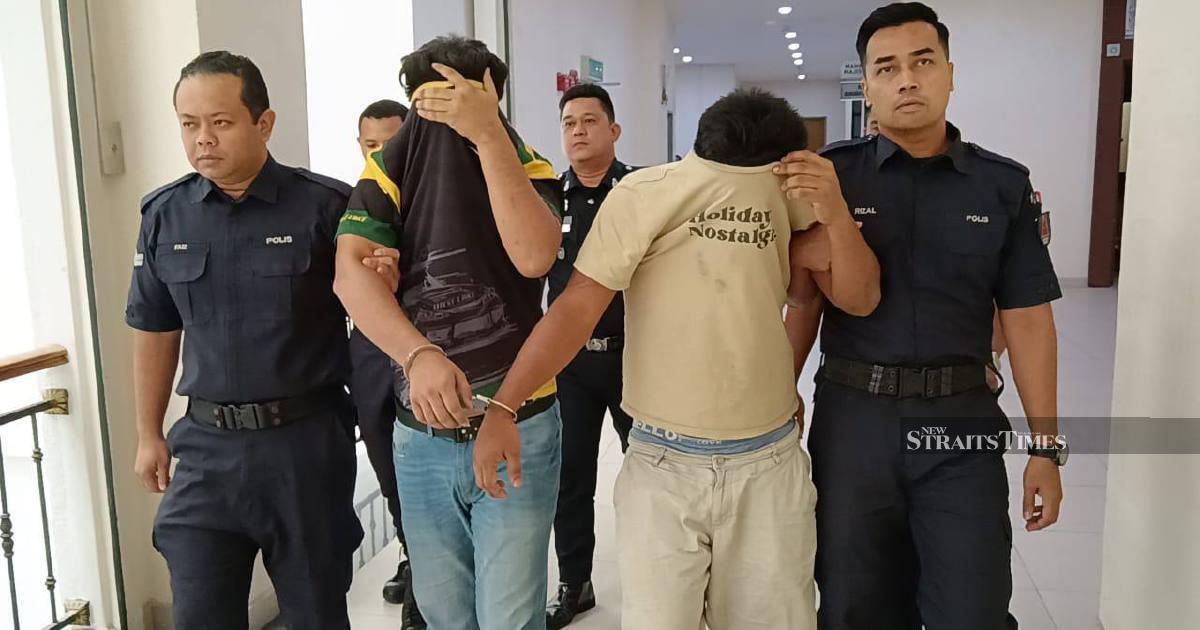
Two Rohingya men with UNHCR cards were brought before Muar Magistrate's Court today to face charges related to a spate of house break-ins plaguing the Johor district. The case marks the latest in a series of crimes attributed to individuals from the Rohingya refugee community in Malaysia, highlighting ongoing tensions around security and law enforcement in areas hosting significant populations of displaced persons.
The accused men, whose identities were linked to United Nations High Commissioner for Refugees documentation, were reportedly involved in multiple residential burglaries across the district. The charges underscore growing concerns among local residents about property crime, with break-ins creating an atmosphere of vulnerability particularly in suburban communities where homes are frequently targeted while occupants are away.
Muar, a district in southern Johor, has experienced periodic crime waves that police attribute to organised burglary networks. The involvement of UNHCR card holders in this case raises sensitive questions about documentation, identity verification procedures, and how refugee identification systems are monitored for compliance with local law enforcement frameworks. Malaysia hosts one of Southeast Asia's largest refugee populations, with UNHCR cards serving as the primary identity documentation for individuals awaiting resettlement or asylum determination.
The Rohingya community, predominantly stateless individuals fleeing persecution in Myanmar, has grown substantially across Malaysia over the past decade. While the majority live peacefully and contribute to local communities, criminal activity involving members of any displaced population tends to generate significant media attention and public scrutiny. This case will likely reignite discussions about refugee integration, community policing, and security measures in densely populated residential areas.
Magistrate's courts in Malaysia handle preliminary hearings and less serious offences, making today's appearance a crucial juncture in the legal process. The court would determine bail conditions, confirm charges, or potentially refer cases to higher courts depending on the severity of alleged offences. Such proceedings typically involve detailed examination of evidence, witness statements, and the circumstances surrounding each break-in incident.
Property crime investigations in Malaysia increasingly rely on CCTV footage, forensic evidence, and neighbourhood informant networks to establish suspects. The alleged involvement of these two individuals suggests investigators accumulated sufficient evidence during preliminary investigations to proceed with formal charges. Police in Johor have intensified patrols and community engagement initiatives in response to burglary spikes, aiming to deter offenders and reassure residents.
For the Rohingya community in Malaysia, criminal cases involving their members carry disproportionate consequences. Negative publicity can fuel xenophobic sentiment, restrict community freedoms, and complicate humanitarian operations. Advocacy groups emphasise that criminal behaviour by isolated individuals should not undermine the broader humanitarian principles guiding refugee protection, though public opinion often conflates community identity with individual culpability.
The UNHCR identification system, while essential for refugees accessing basic services and documentation, operates within Malaysian legal frameworks that require compliance with local police and immigration authorities. Cases where card holders face criminal charges create operational challenges for UNHCR, which must balance protection mandates with cooperation with host governments. Authorities typically conduct background checks and verification processes before issuing such documentation, though systems are not infallible and cannot prevent all criminal activity by cardholders.
Muar's experience with house break-ins reflects broader security concerns across Malaysian suburban and semi-urban areas where residential vulnerabilities attract organised crime networks. Repeat victimisation in specific neighbourhoods often indicates systematic targeting by burglars who identify high-value residences with weak security measures. Community policing initiatives, neighbourhood watch schemes, and improved home security practices have proven effective in various jurisdictions at reducing organised burglary operations.
The outcome of today's court proceedings will significantly influence public perception of both refugee communities and law enforcement capacity in Johor. Conviction would strengthen the case for enhanced security protocols and monitoring, while acquittal would reinforce arguments that refugee communities deserve presumptions of innocence and protection from collective blame. Malaysian courts have generally maintained rigorous evidentiary standards in criminal cases, regardless of defendants' immigration status.
Beyond the immediate legal proceedings, this case exemplifies the complex relationship between refugee hosting, community security, and social integration in Malaysia. Policymakers face pressure to simultaneously protect vulnerable refugee populations and address legitimate public safety concerns. Successful integration requires building trust between refugee communities and local residents through transparent policing, fair treatment under law, and acknowledgment that crime prevention must not descend into ethnic or religious profiling.

