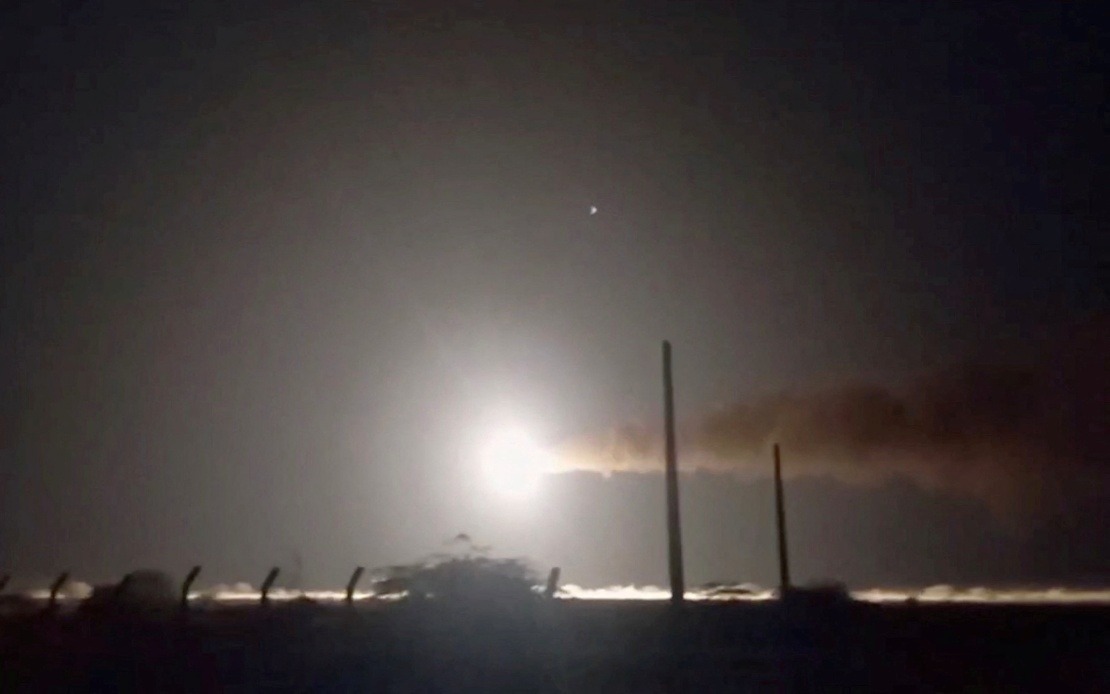
The United States military has reported significant casualties following a coordinated Iranian assault on American forces stationed in Jordan. According to the US Central Command, the attack occurred on July 17 when Iranian ballistic missiles and unmanned drones targeted the installation where US personnel were stationed. Two service members were killed while actively defending against the incoming strikes, marking a notable escalation in regional tensions that has direct implications for stability across the Middle East and beyond.
US Central Command disclosed the incident through an official statement released on Saturday, providing limited initial details while citing the need to respect the grieving process for the fallen soldiers' families. The command indicated that the identities of the deceased personnel would not be released until at least 24 hours following formal notification of next of kin, a standard protocol designed to ensure families receive the news directly rather than through media channels. This measured approach reflects military procedures prioritising dignity and compassion during difficult circumstances.
Beyond the two fatalities, US officials confirmed that one service member remains unaccounted for following the attack. The status and circumstances surrounding this missing individual remain unclear from available information, though military search and recovery operations would typically continue in such situations. The uncertainty surrounding the missing personnel adds another layer of complexity to an already serious incident that underscores the genuine risks faced by American military personnel deployed across the volatile Middle Eastern theatre.
The attack also resulted in injuries to numerous other service members. The US military reported that four personnel required medical evacuation to hospitals located within Jordan to receive treatment for wounds sustained during the Iranian strikes. However, reflecting the varied severity of combat injuries, all four of these individuals have since been discharged from medical care and returned to operational capacity. Additionally, several other personnel treated for minor injuries have already resumed their duties, suggesting that while the attack was significant, it did not incapacitate the broader American military presence in the region.
This incident represents a direct military confrontation between Iranian forces and American personnel on Jordanian soil, raising questions about the sustainability of the current US military footprint in the region. Jordan hosts a substantial American military presence dedicated to counter-terrorism operations and supporting regional security arrangements. The attack demonstrates Iran's willingness to strike directly at US military assets, moving beyond proxy warfare tactics that have characterised much of the recent regional conflict.
For Malaysian and Southeast Asian observers, this development carries considerable significance. The Middle East remains a critical region for global trade routes, particularly shipping lanes through which Malaysia's commerce passes. Any escalation in US-Iran tensions threatens to disrupt economic activity and create humanitarian consequences that ripple across Asia. Additionally, several Southeast Asian nations maintain defence partnerships with the United States, making regional stability directly relevant to their strategic interests.
The Iranian attack itself reflects broader geopolitical friction between Washington and Tehran that has intensified following American military actions against Iranian-aligned forces in the region. The use of ballistic missiles and coordinated drone operations suggests a more sophisticated and deliberate attack than typical proxy warfare, indicating potential strategic calculations by Iranian leadership regarding acceptable levels of direct military engagement with American forces.
The response from US Central Command, while measured in tone, emphasises the continued readiness and resilience of American military forces in the face of Iranian aggression. The fact that US and partner forces successfully defended against the initial assault, preventing catastrophic damage despite suffering casualties, demonstrates operational effectiveness. However, the attack's occurrence itself raises questions about intelligence gathering, early warning systems, and defensive capabilities that will likely be examined thoroughly by military analysts and policymakers.
Jordan's role as host nation adds another dimension to this incident. The kingdom has maintained a delicate balance between hosting American military forces while managing relations with neighbouring Iran and maintaining stability with its Palestinian population. The attack on US forces within Jordanian territory potentially complicates this balancing act, as it demonstrates that hosting American personnel carries real security risks that extend beyond counterterrorism operations.
The broader context of this attack relates to ongoing tensions stemming from the Israel-Gaza conflict and regional proxy networks aligned with Tehran. Iranian military factions and affiliated groups have used the conflict as justification for increased attacks against American and Israeli interests throughout the Middle East. The July 17 assault appears consistent with this pattern of escalatory rhetoric being translated into kinetic military action.
Looking forward, the incident raises critical questions about American military presence sustainability in the region and potential retaliatory measures that could further destabilise an already volatile area. The loss of American service members typically triggers policy reviews and potential operational adjustments, though the specifics of how this particular incident will shape US strategy remain to be determined. For regional actors and international observers, the calculus of risk and benefit in maintaining current military deployments has shifted measurably following this direct attack.

